
Reviewed · CITY TOURS
Dar es Salaam: Experience the real Dar es Salaam (City Tour)
Markets first, then museums, then sea air. This private Dar es Salaam city tour is built for real-life impressions, from crowded market aisles to waterfront harbor scenes, all explained by a local guide in a way that makes the city click fast. You get an air-conditioned ride, onboard WiFi, and bottled water, so you spend less energy on logistics and more on noticing details.
What I really like is the up-close market time and the way the guide, Saed, connects what you see to how people live in Tanzania. You also get a strong mix of stops, including the Kivukoni Fish Market and the museum-and-culture circuit that gives context without turning the day into a lecture. One thing to plan for: some market areas can be wet and slippery, so skip the wrong footwear and you will keep your day comfortable.
In This Review
- Key highlights at a glance
- A private Dar es Salaam day with a guide who reads the city
- Starting strong at Kariakoo Market: where you feel the city’s pulse
- National Museum and House of Culture: context plus honest questions
- Waterfront walk and dhow views: see Dar as a coastal city
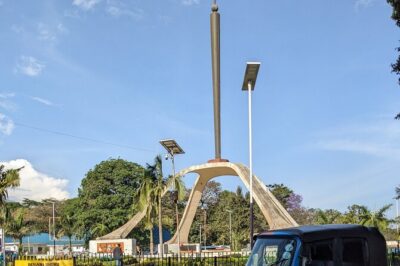
- Askari Monument and the cathedral area: colonial echoes without the fluff
- Kivukoni Fish Market: early trade, wet floors, and how not to slip
- Tinga Tinga Arts Cooperative and Mwenge woodcarving: art you can talk to
- Makumbusho Village Museum: a village-life lens in city time
- Sunset at the Slipway: a practical end point by the sea
- What makes this Dar es Salaam tour feel worth $99
- Who this tour is best for, and who might want something else
- Should you book the Real Dar es Salaam city tour with Saed?
- FAQ
- How long is the Dar es Salaam city tour?
- Where will pickup happen, and what locations are offered?
- What stops are included during the day?
- Do I need a specific language for the guide?
- Is the group private?
- What is included in the price besides the guide?
- What should I bring for this tour?
- Is footwear important for any part of the tour?
Key highlights at a glance
- Saed’s local storytelling ties each stop to daily life, history, and the way communities solve problems.
- Kariakoo Market gives you a fast crash course in trade, hustle, and what’s important to locals.
- Kivukoni Fish Market shows early-morning work, fresh catch logistics, and how busy the seafood trade really is.
- National Museum and House of Culture adds context, and your guide points out what is clear and what is missing.
- Slipway by the water is a practical wrap-up where you can breathe, snack, and take in the coast.
A private Dar es Salaam day with a guide who reads the city
A full day in Dar es Salaam can feel like a blur if you do it alone. A tour like this turns the blur into a map. You do not just see places, you learn what questions to ask while you are standing there.
This is a private group setup, so your pace is yours. Your guide meets you at your hotel lobby or, if you are arriving by plane, in the airport arrivals area. Then you get a comfortable, air-conditioned vehicle for the long stretches between neighborhoods, plus WiFi on board to keep you connected if you need it.
Dar is a port city, and it moves at its own rhythm. That is why the guide matters. Saed is praised for using every stop as a chance to explain Tanzania through everyday life, from politics and culture to family systems and community expectations. It makes you feel like you are walking with someone who knows what to notice.
More City Tours in Dar es Salaam
- Dar es Salaam: City Tour
★ 4.7 · 159 reviews - Dar es Salaam City Center: Walking Tour
★ 4.8 · 102 reviews - Dar es Salaam City Tour – Everyday
★ 5.0 · 64 reviews
Starting strong at Kariakoo Market: where you feel the city’s pulse
Kariakoo Market is one of those places that gives you instant bearings. The streets and stalls look chaotic at first, but the chaos has a logic. This is where you see how locals buy, sell, barter, and judge quality in real time.
You get guided time in the market, which is key. Without a guide, it is easy to just look at stuff and miss what you are actually watching. With a guide, you can focus on how vendors organize, what people prioritize when they shop, and how market life shapes the surrounding neighborhoods.
This stop also helps you understand the rest of the day. If you spend the morning learning how trade works, then later fish market scenes and craft markets make more sense. You start to see Dar as a working city, not a set of attractions.
National Museum and House of Culture: context plus honest questions
The National Museum and House of Culture is a smart mid-day anchor because it helps connect the present to the past. You are not stuck only in the street-level view, and you also are not forced into museums all day.
The museum time is guided, and that matters for two reasons. First, you get help interpreting exhibits instead of guessing. Second, your guide can point out what the museum does well and what it does not do as effectively, including how the country’s story is presented.
One specific note you might find useful: your guide can explain why some items are not updated and why certain memorials may look older than you expect. That kind of commentary changes how you read the museum space. Instead of only thinking what is inside, you start thinking about what gets preserved, what gets maintained, and what gets left behind.
If you like museums but hate passive wandering, this stop hits the sweet spot.
Waterfront walk and dhow views: see Dar as a coastal city
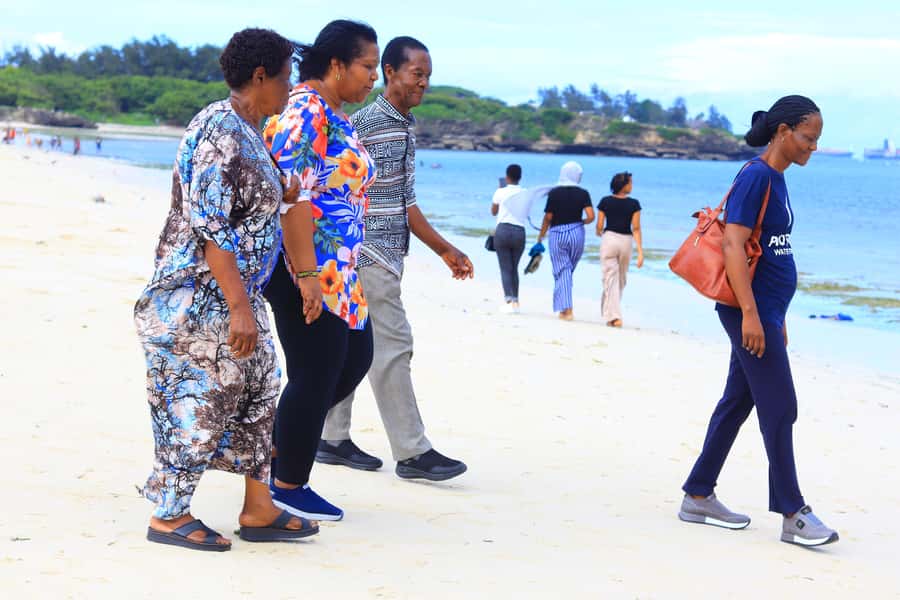
After the museum, you shift tone. You take a walk along the waterfront to see the harbor and the traditional dhow boats. This is one of those stops that sounds simple, then becomes surprisingly useful once you are there.
Dar es Salaam is shaped by the coast. You can feel it in how people move, where the energy concentrates, and how the city’s economy connects to shipping and trade. The harbor walk helps you put the markets into a bigger frame.
Bring your eyes, not your shopping list. Focus on boats, waterfront activity, and the way the city fronts the water. If the day is hot, this stretch is also a nice breather compared to indoor spaces and market crowds.
A few more Dar Es Salaam trips to compare
- MIKUMI NATIONAL PARK – 3 Days
★ 4.5 · 63 reviews - 2 nights 3 days safari to mikumi national park
★ 5.0 · 62 reviews - 2 Days 1 Night Mikumi National Park from Dar es salaam
★ 5.0 · 60 reviews - The Best/Top Rated Cultural City Tour in Dar es Salaam
★ 5.0 · 57 reviews
Askari Monument and the cathedral area: colonial echoes without the fluff
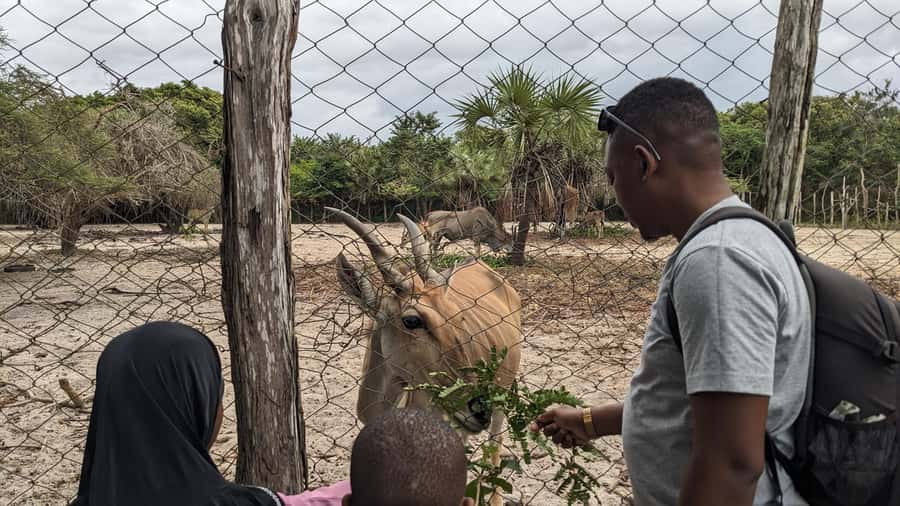
Dar’s colonial-era markers can be easy to label as distant history. Your guide helps you see them as part of the city’s architecture and public memory, not just random statues and buildings.
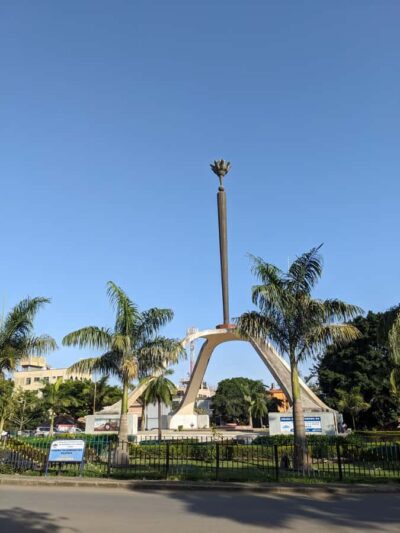
You visit the Askari Monument and also head to the cathedral area at Azania Front (listed as KKKT Azania-Front-Cathedral, with related cathedral sights in the same general story arc). Your guide’s job is to connect the design and placement to what it meant at the time and what it signals now.
This stop is worth it even if you are not a history buff, because it adds contrast. Markets and museums give the context. Then monuments and cathedrals show the human ambition to build, govern, and define space.
It is the kind of pairing that makes you think, okay, Dar has layers, and the layers still matter.
Kivukoni Fish Market: early trade, wet floors, and how not to slip
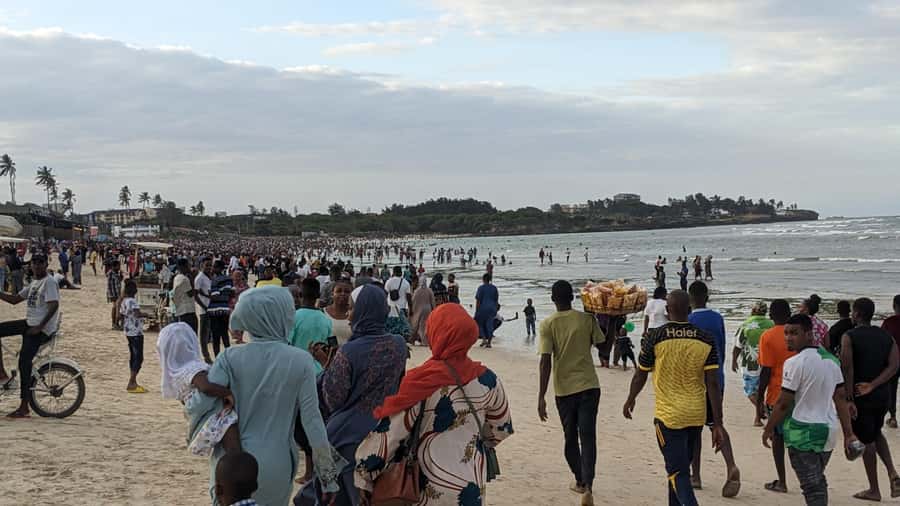
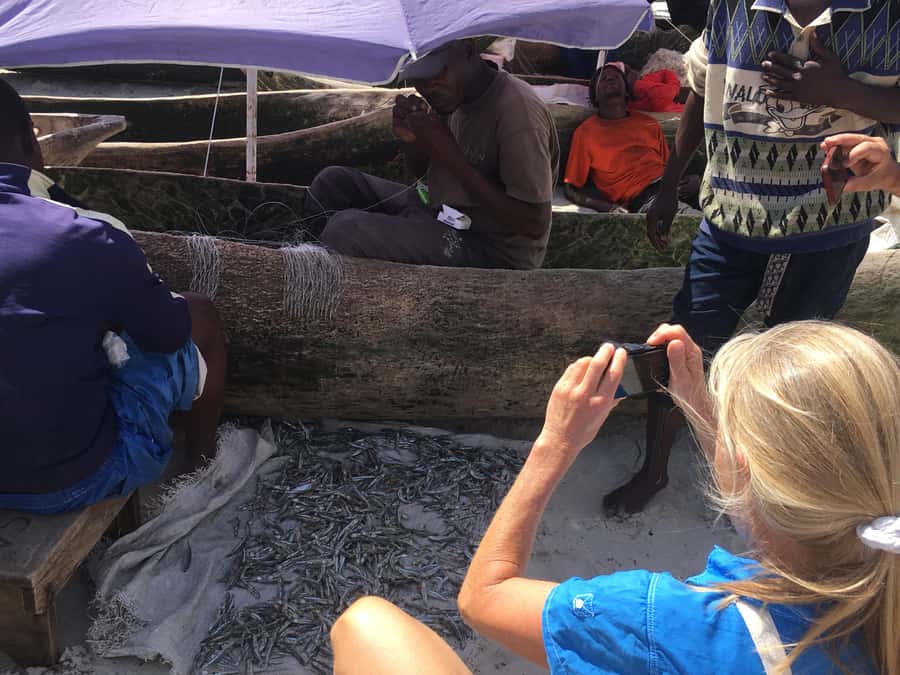
If you want the heart of daily work in Dar es Salaam, go to the fish market. The tour takes you to Kivukoni Fish Market, with guided time so you can interpret what you are seeing.
This is a place where action happens fast. You can expect early-morning energy, active trading, and the reality of how quickly fresh catch moves through the market system. It is not just a photo stop. It is a working supply chain.
Here is the practical tip you should take seriously: the fish market often has very wet surfaces. That means do not wear slippers. Go for shoes you trust on slick floors so you can walk confidently and spend time observing without worrying about your footing.
This stop also helps you ask better questions about food, livelihoods, and daily risk. Saed is praised for explaining the dynamics around crime and community responses, especially when state intervention is limited. You do not need to be anxious, but it is good context for understanding why some places feel more guarded and why local people rely on strong community habits.
Tinga Tinga Arts Cooperative and Mwenge woodcarving: art you can talk to
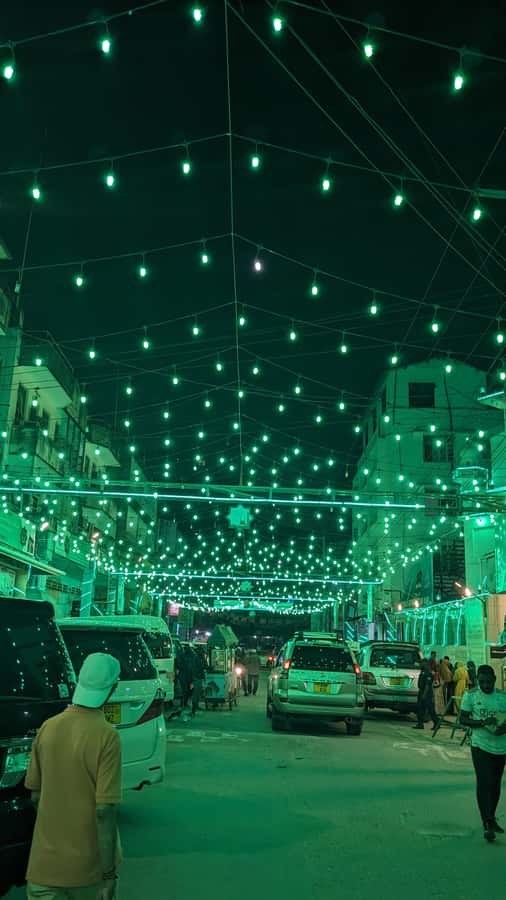
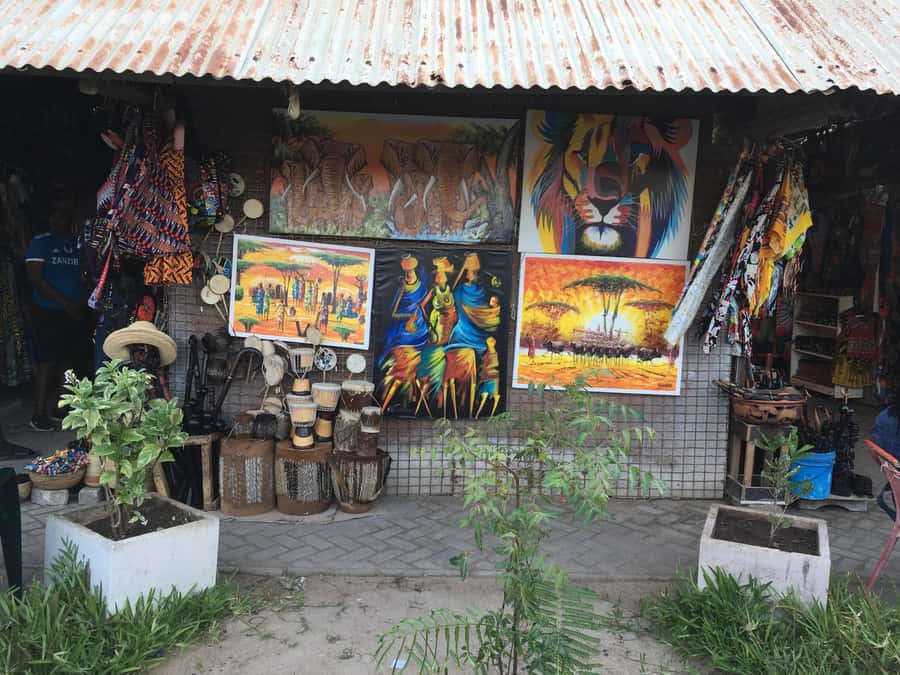
Dar has a creative side you can buy into, without losing your head. The tour includes visits connected to the city’s craft scene, including Tinga Tinga Arts Cooperative Society and the Mwenge Woodcarvers Market.
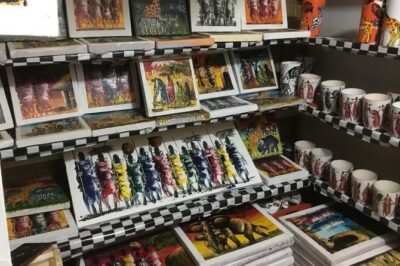
This is where you can shift from observation to interaction. Tinga Tinga art is often colorful and story-driven, and a guided stop helps you understand what the style is communicating. At woodcarvers, the focus is hands-on craftsmanship, and you can watch skill in motion.
These stops are great for souvenirs, but the better value is the conversations. Ask questions. Look at tool work. Notice how artists explain their materials and choices. If you like to buy art with meaning, these are the right stops for it.
And yes, you might still end up buying something. I do not see how you avoid it once you see the effort up close.
Makumbusho Village Museum: a village-life lens in city time
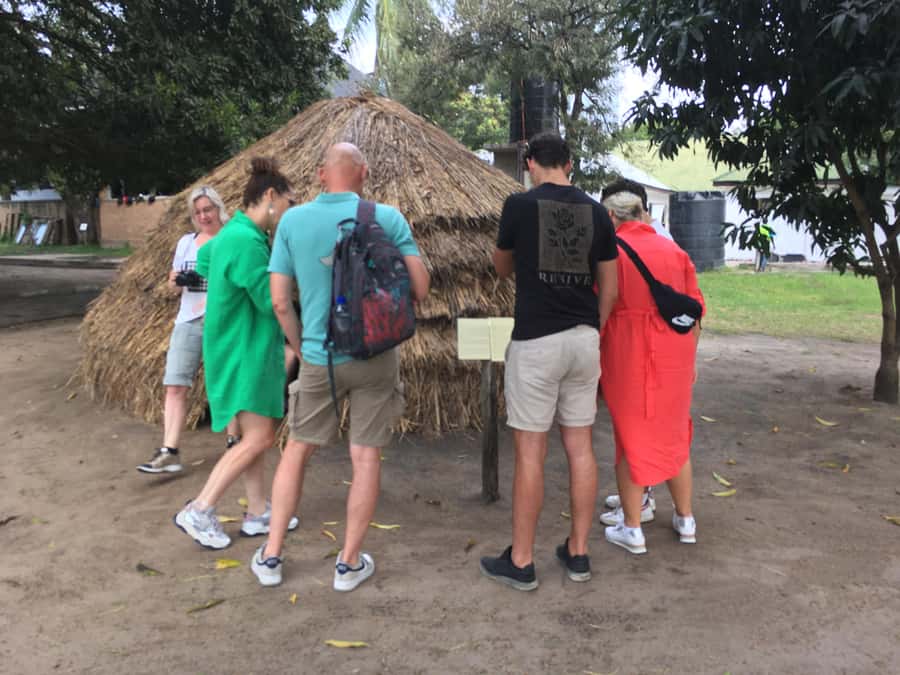
Makumbusho Village Museum gives you a different kind of Dar lesson. Instead of focusing only on city bustle, it helps you understand how village life and traditional settings shaped Tanzanian culture.
You get guided time here, which helps because village museum layouts can feel repetitive if you are just scanning buildings. With interpretation, you can notice differences in structure and purpose and better connect what you see to daily living.
This stop also balances the day. By now you have seen heavy market activity and waterfront trade. Makumbusho brings a slower, more explanatory rhythm, so your brain does not feel fried.
If you are only in Dar for a short visit, it is a good use of time. It expands your understanding beyond what you can learn from photographs.
Sunset at the Slipway: a practical end point by the sea
The day wraps at the Slipway shopping and dining complex, with a sunset break built in. This works well because it is both relaxing and useful.
After markets, museums, and a lot of walking and talking, you want a spot where you can sit, snack, and watch the coastline. Slipway is built for that. You get ocean air, sea views, and an easy transition from intense sightseeing to calm reflection.
If you still have energy, this is a smart place to look for small upgrades. Want a drink? A bite to eat? Something light to remember the day? This is the area designed for that.
Also, if you care about local food, use this as your last chance to ask Saed for advice. One review specifically mentions that Saed knew a great place for local food and fresh juices when lunch was the priority. Even if your schedule shifts, ask him where to go for something tasty nearby.
What makes this Dar es Salaam tour feel worth $99
Let’s talk value. At $99 per person for an 8-hour private tour, you are paying for three things: local guidance, practical transportation, and a route that mixes Dar’s work life with cultural context.
If you tried to build this day yourself, you would spend time figuring out where to go, how to connect neighborhoods, and who can explain what you are seeing. A private guide reduces that friction fast. Also, you are not just picking random stops. The day is organized so one place sets up understanding for the next.
You also get included basics that matter more than they sound: bottled water, an air-conditioned vehicle, and onboard WiFi. In hot, busy Dar conditions, those small comforts add up.
And the guide quality is the real multiplier. Saed is repeatedly highlighted as the person making the day feel effortless and deeply informative. When your guide talks about markets, crime dynamics, food shortages, and the strength of family networks, you stop seeing places as isolated scenes and start seeing a city system.
Who this tour is best for, and who might want something else
This tour suits you if you want a first-time-friendly Dar es Salaam day. You get the major touchpoints people come for, but you also get the why behind them. It is especially good if you dislike aimless wandering and prefer structured time with explanations.
It is also a strong choice if you care about everyday life, not just monuments. The markets, fish trade, crafts, and harbor walk give you that ground-level view.
If you hate any market environment, or you want a purely scenic or purely museum-only day, you might find parts of this itinerary intense. Markets mean crowds, sounds, smells, and movement. That is not a flaw, it is the point.
Should you book the Real Dar es Salaam city tour with Saed?
If you want to understand Dar es Salaam instead of just see it, this tour is a smart bet. Your guide can make the day feel connected, and the mix of markets, museum context, waterfront views, and craft stops gives you a full picture in 8 hours.
Book it if:
- you value a local perspective as much as the sights
- you are comfortable walking and spending time in markets
- you want a practical, comfortable day with private transport
Skip it if:
- you do not want market areas at all
- you need a low-effort sightseeing style with minimal walking and noise
If you do book, pack sunscreen and wear shoes you trust on wet floors. Then go with curiosity. This is the kind of day where the details are the reward.
FAQ
How long is the Dar es Salaam city tour?
The tour runs for 8 hours.
Where will pickup happen, and what locations are offered?
Pickup is included and can be arranged from the Julius Nyerere International Airport arrivals lounge or from accommodations in Dar es Salaam such as Hyatt Regency Dar es Salaam and The Kilimanjaro.
What stops are included during the day?
You visit places including Kariakoo Market, the National Museum and House of Culture, the waterfront with dhow boats, Askari Monument, a cathedral area at Azania Front, Kivukoni Fish Market, Tinga Tinga Arts Cooperative Society, Makumbusho Village Museum, and you end at the Slipway.
Do I need a specific language for the guide?
The live guide works in English and Swahili.
Is the group private?
Yes, it is a private group experience.
What is included in the price besides the guide?
The tour includes air-conditioned vehicle transportation, WiFi on board, private transportation, and bottled water.
What should I bring for this tour?
Sunscreen is recommended.
Is footwear important for any part of the tour?
Yes. The fish market can have very wet surfaces, so you are advised not to wear slippers.
Just posted around Dar Es Salaam
- 2 Day Wildlife Experience and Masai Culture Mikumi Park★ 5.0 · 5 reviews
- Explore Dar es Salaam: Full-Day Private City Tour★ 5.0 · 18 reviews
- 3 Days Explore Selous Game Reserve + Boat safari + bushman walking★ 5.0 · 5 reviews
- Sunrise Beach Walk with Picnic Breakfast Activity★ 5.0 · 3 reviews
- Mikumi Np Mid Range Tour 3 Days★ 5.0 · 3 reviews
- 3 Days Safari to Nyerere National Park (Selous Game Reserve)★ 5.0 · 8 reviews
- Saadani National Park Day Tour★ 5.0 · 3 reviews
- Mikumi national park full day tour from Dar es sallam★ 5.0 · 9 reviews
City Tours, compared.
Arusha Guided Walking City Tour, Culture, Lifestyle & History
Read our review →
The Best/Top Rated Cultural City Tour in Dar es Salaam
Read our review →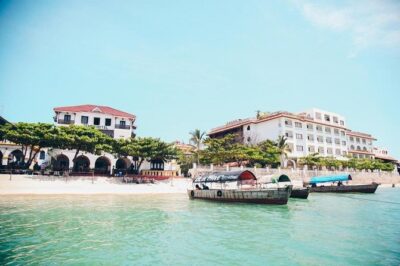
Browse the lists this tour appears in