
Reviewed · CITY TOURS
Dar es Salaam City Tour – Visit all attractive places
Real markets, real history, in one smooth day. I love how this private Dar es Salaam city tour stacks major sights in a logical route, including Kariakoo Market and St Joseph’s Cathedral. I also like that all fees and taxes are handled for you, so you are not constantly paying on the spot. One drawback to plan for: lunch is not included, so you will pay directly.
You’ll move around with included transport, bottled drinking water, and a guide who sets the pace. Pickup can be arranged from your hotel, or from the ferry or port area, which helps if your schedule is tied to ship arrival times.
In one review, the guide Mansoor stood out for staying in contact and being ready when pickup time came, with cold water in the van. That kind of timing matters in Dar es Salaam, where a half hour delay can turn into a missed photo stop.
In This Review
- Key highlights to look for
- Why this Dar es Salaam city tour works when time is tight
- Pickup and meeting point, so you do not fight the city first
- Kariakoo Market: the 1916 Carrier Corps story in action
- St Joseph’s Cathedral: Gothic style with German inscriptions still inside
- Askari Monument: layers of British and German influence
- National Museum of Tanzania: Museum and House of Culture context
- Kivukoni Fish Market: auctions, cleaning, and how the supply chain feels
- Village Museum in Kijitonyama: traditional houses you can actually step into
- Mwenge Woodcarvers Market: ebony creations and fast shopping time
- Price and timing: where the value really comes from
- Who should book this tour, and who might skip it
- Should you book this Dar es Salaam city tour?
- FAQ
- How long is the Dar es Salaam city tour?
- What does the tour include for transport and water?
- Are entrance fees included?
- Where does the tour start?
- Is lunch included?
- Is this a private tour?
- What is the cancellation policy?
Key highlights to look for
- Private, all-in-one sightseeing route for 6 to 7 hours with transport included
- Hotel or ferry/port pickup options to match how you arrived
- Admissions and taxes included, so most of the day is straightforward budgeting
- Kariakoo Market history starting in 1916, tied to the Carrier Corps depot
- St Joseph’s Cathedral details, including preserved German inscriptions
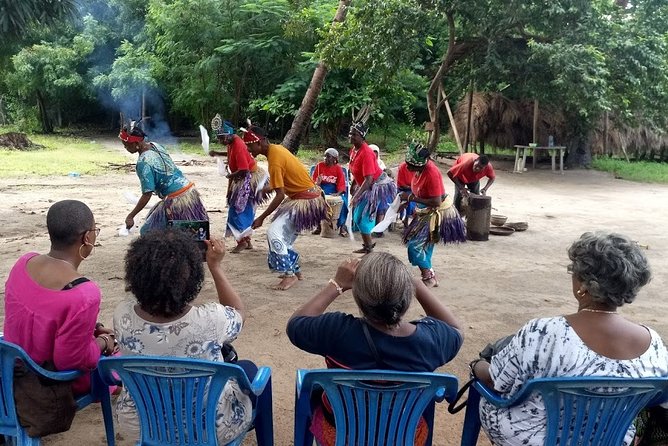
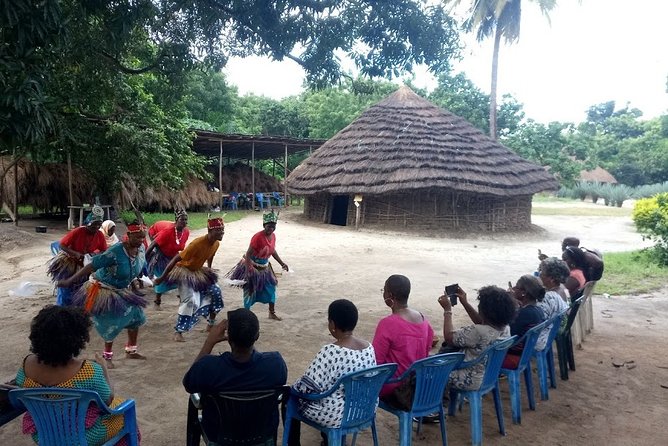
- Village Museum houses you can enter, plus arranged traditional ngoma dance time
Why this Dar es Salaam city tour works when time is tight
If you only have a short window in Dar es Salaam, this tour is built for getting your bearings fast. You hit the city’s key landmarks, then you add two places that feel more everyday than typical postcard stops: Kariakoo Market and the Kivukoni Fish Market. Those are the kinds of stops that help you understand how people actually shop, trade, and eat.
The second big reason I like this plan is the simple money side. You get bottled water, transport, and included fees and taxes. That means you are paying less “while we are there” and more “this is my day, I can enjoy it.”
The group part is also handled well. It is a private tour, so it is only your group, not a shuffle among strangers. Still, the day is not a marathon. Each stop has a set time window, and you go at your own pace within that flow.
More City Tours in Dar es Salaam
- Dar es Salaam: City Tour
★ 4.7 · 159 reviews - Dar es Salaam City Center: Walking Tour
★ 4.8 · 102 reviews - Dar es Salaam City Tour – Everyday
★ 5.0 · 64 reviews
Pickup and meeting point, so you do not fight the city first
You can start from a clear meeting point at the Ferry Ticket Office, and you can also arrange pickup from your hotel or from the ferry or port area. If you are coming in by sea, this is a big deal. You are not trying to locate taxis, negotiate fares, or guess where your driver will be when your timeline is strict.
Transport is included, which removes the biggest stress for many first-time visitors: getting from one neighborhood to another. That matters because Dar es Salaam has a lot going on at street level, and you want your energy for the sights, not logistics.
One more practical note: the tour is set for good weather. If weather conditions force changes, you should expect a different date or a refund. So if you are planning around a tight itinerary, keep one day flexible if you can.
Kariakoo Market: the 1916 Carrier Corps story in action
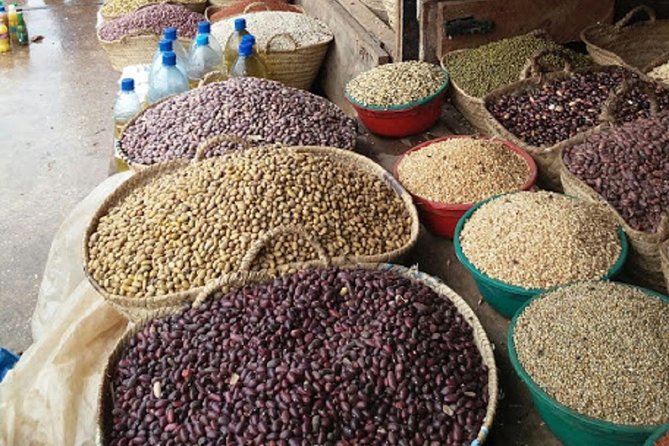
Kariakoo Market is where this day becomes real. It is not just a place to buy things, it is a window into how Dar es Salaam evolved. The tour explains that the market’s roots go back to 1916, when the British captured Dar es Salaam from the Germans during World War I. The British built a depot for their carrier corps that was no longer needed. Then the governor allowed the building to be used as a market, and the name became Kariakoo through Swahili pronunciation.
That history gives you a lens as you walk through. You start noticing how spaces stay in use even after the original purpose changes. You also get that classic market rhythm, where people trade quickly, bargain instinctively, and move with purpose.
You get about an hour here, which is long enough to browse without feeling trapped. If you care about photography, bring a plan. Markets are active, and you’ll likely have a better experience if you ask before photographing vendors up close.
St Joseph’s Cathedral: Gothic style with German inscriptions still inside
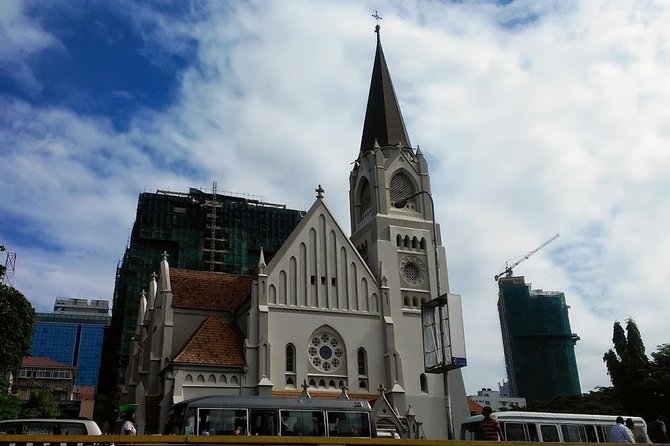
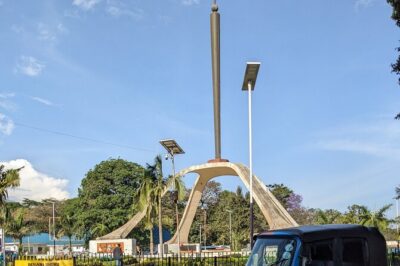
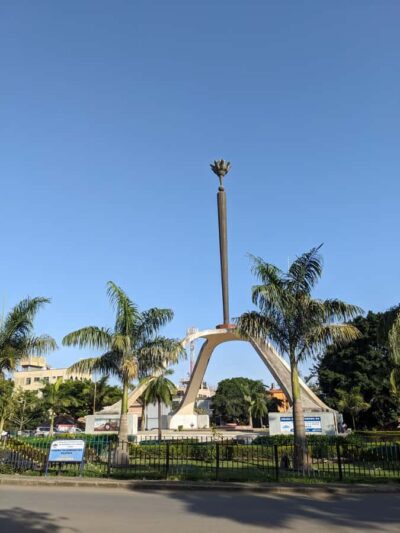
After Kariakoo, you pass through a few older landmarks on the way, including the Uhuru torch monument area at Mnazi Mmoja and the Dar es Salaam old Boma area. Then you reach St Joseph’s Cathedral of the Archdiocese of Dar es Salaam, overlooking the harbour.
This is the first Roman Catholic Cathedral in mainland Tanzania, and the timeline is specific. The main building took five years to complete from 1897 to 1902, and it was consecrated on October 15, 1908. Architecturally, it is Gothic style, including a shingled spire, a vaulted interior, and carved relief above the main altar.
Here is the detail that makes it memorable: the interior still retains the original German inscriptions. It is one of those quiet, surprising echoes of the colonial era that you might miss if you just read a sign and move on.
You get around 30 minutes at the cathedral. That is enough time to look up, read what you can, and soak in the view, without dragging the day.
A few more Dar es Salaam trips to compare
- MIKUMI NATIONAL PARK – 3 Days
★ 4.5 · 63 reviews - 2 nights 3 days safari to mikumi national park
★ 5.0 · 62 reviews - 2 Days 1 Night Mikumi National Park from Dar es salaam
★ 5.0 · 60 reviews - The Best/Top Rated Cultural City Tour in Dar es Salaam
★ 5.0 · 57 reviews
Askari Monument: layers of British and German influence
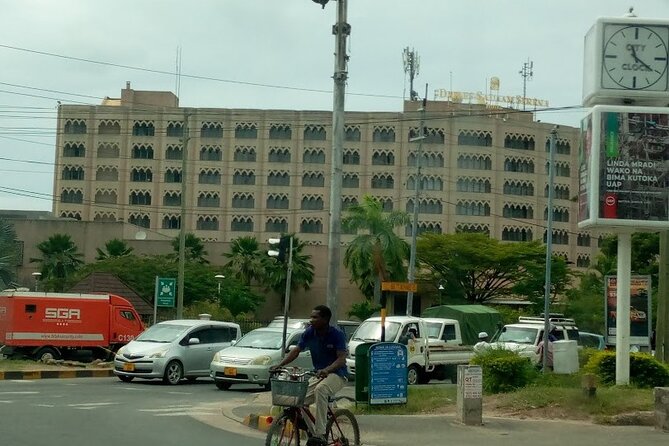
Next is a short stop at Askari Monument. It is brief on purpose, about 15 minutes, but it is a powerful little history lesson.
The monument was built by the British colonial government in 1916, replacing an earlier statue mounted by the German colonial government in 1911. The earlier German statue commemorated Major Herman von Wissmann, noted as the first governor of German East Africa, appointed in 1895. After Germany’s defeat and retreat during World War I, the British demolished the German statue and put Askari Monument in its place.
So you see two colonial narratives on one site: who was in charge, what they honored, and how quickly that changed. Even if you are not a history buff, it gives context to the city’s architecture and street names.
If you want photos, keep it efficient. This stop is short, and you’ll be moving on to the museum.
National Museum of Tanzania: Museum and House of Culture context
The National Museum of Tanzania is the next major indoor stop. The tour highlights it as Museum and House of Culture, often described as the first national museum established in Tanzania, set in motion in 1937 and opened to the public on December 7, 1940.
It originally had a different name: King George V Memorial Museum, after King George V of Great Britain, who died in 1936. In 1962 the name changed to the National Museum, matching the new national identity era.
You get about 45 minutes. That is enough time to understand what the museum is trying to do without trying to absorb every display. I like museums that give you a foundation, so you can connect later sights to a bigger story. This one fits that role.
If you are the type who likes to read everything, you may want a quick photo sweep and return for closer looks later, but your time here is capped by the itinerary. Still, it is a solid stop to balance the market energy you had earlier.
Kivukoni Fish Market: auctions, cleaning, and how the supply chain feels
Kivukoni Fish Market is where you get a different sense of Dar es Salaam. On the way, you pass the Tanzania State House. The tour specifically notes that taking pictures is not allowed, so treat that as a hard rule and focus on safe viewing angles and quick observations.
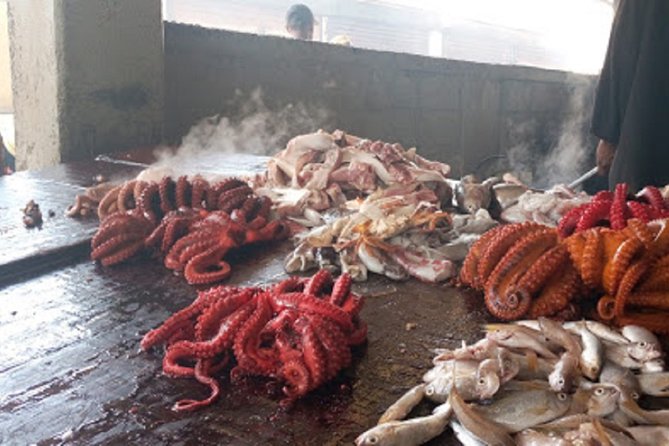
Then you head down into Kivukoni. Fishers sell their catch to restauranteurs and homemakers who come to buy. The market layout is divided into two main sections and then further into eight zones, including an auction area. In other zones, fish can be cleaned, cooked, and resold at marked-up prices.
This is the kind of place where your guide helps you decode what you’re seeing. Without that context, you can still enjoy the scene, but you might miss how the zones work together like a system.
You get about an hour here. That timing is practical because fish markets have their own pace, and it is easy to lose time if you wander without a plan. You’ll also appreciate the included water on days like this.
Village Museum in Kijitonyama: traditional houses you can actually step into
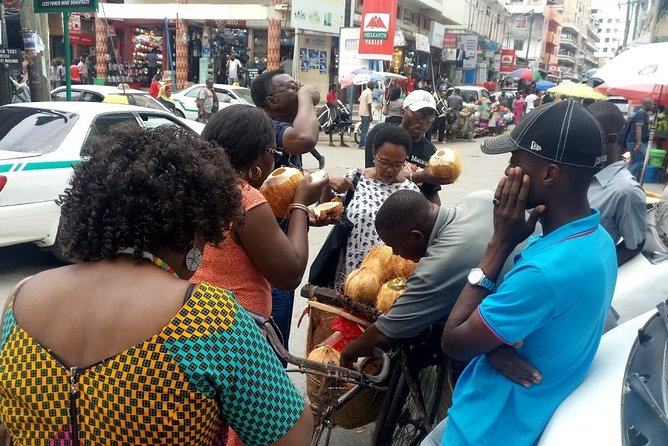
After Kivukoni, the day shifts into a more cultural mode. There is a lunch break where you pay directly, and then you take public transport from Kivukoni to Morocco Road. After that, you hop on a tuk tuk (rickshaw) to reach the Village Museum.
That mix of transport can be a little surprising, since earlier parts of the tour emphasize all transport included. But it also makes the experience more local, and it can reduce the amount of time spent in traffic.
The Village Museum, known in Swahili as Kijiji cha Makumbusho, is located on Ali Hassan Mwinyi Road in Kijitonyama. It features around twenty traditional houses representing the over 120 ethnic groups found in Tanzania. The houses include furnished huts, cattle pens, and meeting places, and the important part is that visitors are allowed to get into the houses.
That changes everything. You are not just looking through glass. You see how spaces are arranged and how daily life might have been organized in different regions. It is more physical and more memorable.
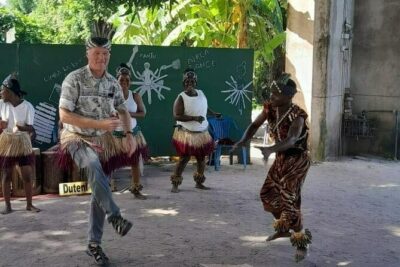
To cap it off, you also get a chance to watch arranged traditional ngoma sessions, meaning traditional dance time planned for visitors. Expect this to feel like a structured finale before you head out again.
You get 1 hour 30 minutes total, which is a good length for walking, stepping inside houses, and still making time for the dance session.
Mwenge Woodcarvers Market: ebony creations and fast shopping time
The last major stop is Mwenge Woodcarvers Market. You have about 30 minutes here, so think of it as a finishing stretch for browsing, buying small souvenirs, and seeing craftsmanship up close.
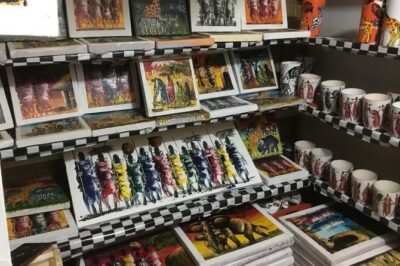
The tour explains that the products are made from the famous African black tree, ebony. That matters because ebony is strongly associated with dark, dense wood and a lot of classic carving styles. Even within a short time, you can see how carvers turn raw material into everyday art.
Because time is limited, it helps to decide what you want before you enter, like keychains, small figurines, or larger decorative pieces. If you love negotiating, you will find plenty of chances, but the bigger goal here is to watch the workmanship and choose something that feels personal rather than just generic.
Then your driver drops you back at your hotel.
Price and timing: where the value really comes from
At $117 per person for a 6 to 7 hour private tour, this is not a bargain-basement option. But the value comes from how much is included. Transport is covered. Bottled drinking water is included. And crucially, all fees and taxes are included for the sights where admissions apply.
To put it practically, your main extra costs are lunch and tips for your driver guide. Since lunch is paid directly, you will want to plan ahead on what kind of meal you will buy and where you’ll feel comfortable.
Also note how this tour is booked. On average it is reserved about 58 days in advance, which suggests it has steady demand. If you are traveling at a busy time, booking earlier gives you more choices for pickup timing.
The start window depends on your confirmation and your pickup details, so once you book, confirm your exact pickup time and meeting approach. In one review, Mansoor made coordination feel smooth by staying in contact about pickup timing, and that kind of clarity is worth a lot when you are moving between port areas and city streets.
Who should book this tour, and who might skip it
This tour is a great fit if you want an efficient Dar es Salaam highlight day with minimal planning. It is especially good if you do not want to manage taxis, or if you would rather have someone else handle the “where do we go next” rhythm.
I also think it suits cruise arrivals and ferry-based schedules well, because pickup is designed around ferry and port access. The itinerary balances busy markets with calmer stops like cathedrals and the museum.
You might not choose it if you want a totally flexible day with no set time windows, or if you already plan to self-guide all the museum time and are comfortable paying entrance fees yourself. And if you are picky about lunch choices, remember lunch is not included, so you’ll plan that separately.
Should you book this Dar es Salaam city tour?
I would book it if your priority is a smooth first visit day that combines history, local markets, and cultural stops without heavy logistics. The included admissions and transport do real work here, and the itinerary hits places you might not easily fit together on your own.
Skip it if you want a slower, more open-ended wandering day, or if lunch planning is a deal breaker for you. Otherwise, this is a practical way to see Dar es Salaam beyond the obvious, while keeping the day manageable.
FAQ
How long is the Dar es Salaam city tour?
The tour runs for about 6 to 7 hours.
What does the tour include for transport and water?
The tour includes public and private transport, and bottled drinking water is provided.
Are entrance fees included?
Yes, all fees and taxes are included for the stops that have admission. Askari Monument is free.
Where does the tour start?
The meeting point is the Ferry Ticket Office (57JW+4XH, Dar es Salaam, Tanzania). Pickup options may also be available from your hotel, or from the ferry or port area.
Is lunch included?
Lunch is not included. The tour includes a lunch break, and you pay directly.
Is this a private tour?
Yes. It is private, meaning only your group participates.
What is the cancellation policy?
Free cancellation is available. You can cancel up to 24 hours in advance for a full refund, and cancellation times are based on local time. The experience also requires good weather, and if it is canceled due to poor weather you will be offered a different date or a full refund.
Just posted around Dar es Salaam
- 2 Day Wildlife Experience and Masai Culture Mikumi Park★ 5.0 · 5 reviews
- Explore Dar es Salaam: Full-Day Private City Tour★ 5.0 · 18 reviews
- 3 Days Explore Selous Game Reserve + Boat safari + bushman walking★ 5.0 · 5 reviews
- Sunrise Beach Walk with Picnic Breakfast Activity★ 5.0 · 3 reviews
- Mikumi Np Mid Range Tour 3 Days★ 5.0 · 3 reviews
- 3 Days Safari to Nyerere National Park (Selous Game Reserve)★ 5.0 · 8 reviews
- Saadani National Park Day Tour★ 5.0 · 3 reviews
- Mikumi national park full day tour from Dar es sallam★ 5.0 · 9 reviews
City Tours, compared.
Arusha Guided Walking City Tour, Culture, Lifestyle & History
Read our review →
The Best/Top Rated Cultural City Tour in Dar es Salaam
Read our review →
Browse the lists this tour appears in