
Reviewed · COFFEE FARM TOURS
Arusha: Traditional Coffee Preparation(coffee tour)
In Arusha, coffee becomes a hands-on ritual. You’ll see how arabica coffee grows on a smallholder farm, then move into a garden to husk, roast, grind, and brew using traditional tools. I especially love the manual bean-to-cup part, and I also like that the coffee you make is organic and single-origin. One thing to consider: it is active, you will pound and work with hot roasting gear, so wear shoes you can move in.
The day starts at Naturalland expeditions with an English-speaking guide, and it’s easy to find them because they’re waiting by the main road in a company t-shirt in gray or chocolate. On the farm, I like that this isn’t a showroom. You are learning from a real operation, and in at least some visits it is a family-run setup with multiple generations working the coffee. After that, you get step-by-step guidance, and the roasting and brewing feel practical, not staged.
If you want coffee culture as a story, this tour delivers. You’ll taste what charcoal-roasted beans smell like and what hand grinding does to flavor, then enjoy your own cup. The main drawback is that 3 hours passes fast, so if you want long chats with farmers or extra tastings, you may wish you had more time.
In This Review
- Key highlights I’d put on your short list
- Why this bean-to-cup coffee lesson in Arusha feels genuinely practical
- Meeting Naturalland expeditions and getting oriented fast
- Walking the smallholder coffee farm in Arusha, arabica first
- From husking dried beans to roasting in clay and charcoal
- Brewing your own organic single-origin cup, bean to mug
- What makes the taste experience special, and how to remember it
- Price and value: why $30 for 3 hours can make sense
- Who should book this Arusha coffee preparation experience
- Practical tips so you get the most from the manual steps
- Final decision: should you book Naturalland expeditions coffee preparation in Arusha?
- FAQ
- How long is the Arusha traditional coffee preparation tour?
- Where do I meet the guide?
- Is the tour guided in English?
- What is included in the price?
- How much does it cost?
- What steps are included in the bean-to-cup coffee making?
- Is the coffee organic and single-origin?
- Can I cancel and get a full refund?
- Is there an option to reserve now and pay later?
- Is the tour limited to one starting time?
Key highlights I’d put on your short list
- Smallholder farm walk focused on arabica cultivation
- Hands-on husking, roasting in clay, grinding, and brewing
- Organic single-origin coffee you make yourself
- Charcoal fire roasting that creates a more rustic cup
- Clear step-by-step guidance from the guide team (including Johnson and Derik on some tours)
- Likely to include tasty snacks alongside drinks, such as coconut rolls
Why this bean-to-cup coffee lesson in Arusha feels genuinely practical
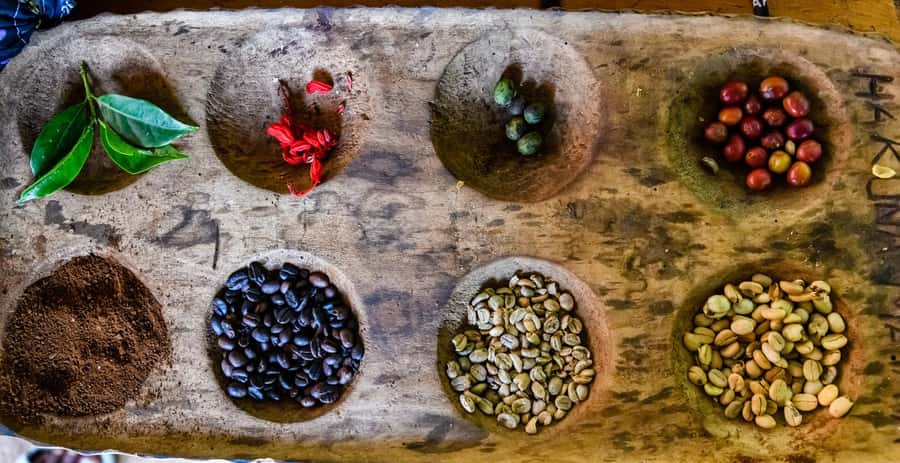
A lot of coffee experiences stop at tasting. This one goes further, by taking you through the full chain from dried bean to finished cup. That matters because coffee flavor is not magic, it is process. When you husk, roast, and grind by hand, you start noticing cause and effect right away.
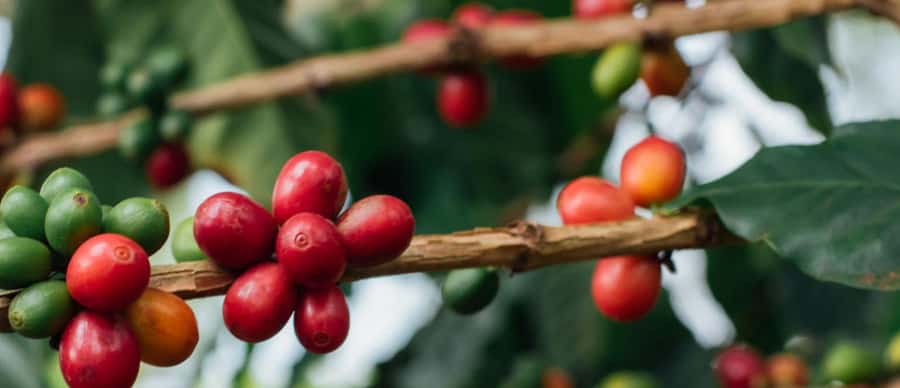
The farm part grounds the lesson. You’re not just learning coffee techniques in the abstract. You see the crop coming from cultivation of arabica, which Tanzania exports as a major commodity. Then the garden part turns knowledge into action. You end up with a finished cup that you can connect to specific steps you performed, not just one sip at the end.
Another reason I like this format is that it feels like learning a skill. You get a repeating rhythm, pound, roast, grind, brew. It is simple enough to follow in one morning or afternoon, but it is real enough to leave you with questions you can carry home and explore.
More Coffee Farm Tours in Arusha
- Materuni Waterfalls, coffee tour & Kikuletwa Hot Springs
★ 5.0 · 643 reviews - Materuni waterfalls coffee tour & Chemka hot springs Day trip
★ 5.0 · 131 reviews - Maasai village visit, Materuni waterfalls & coffee experience
★ 4.5 · 95 reviews
Meeting Naturalland expeditions and getting oriented fast
You start at Naturalland expeditions in Arusha. The meeting point is on the main road, and your guide will be wearing a Naturalland expeditions t-shirt in either gray or chocolate. That detail is genuinely helpful because it reduces the usual stress of searching for a tour group in an unfamiliar place.
This tour runs about 3 hours, so your goal for the meeting moment is simple: arrive on time, get identified quickly, and be ready to move. Since the experience includes drinks and a farm visit, you should plan to arrive with at least a basic level of hunger control, because tasting and snacking can make the time fly.
If you are the type who likes knowing what to expect before you start, ask your guide at the beginning what the plan is for the day’s hands-on steps. With a short format, a quick orientation can help you follow each step more confidently.
Walking the smallholder coffee farm in Arusha, arabica first
The experience begins with a guided walk on a smallholder coffee farm. You learn about cultivation of arabica coffee, which Tanzania treats as one of its major export commodities. That cultivation context is important because it explains why the coffee you taste comes from a specific plant, grown under specific conditions, and then processed into dried beans.
In at least some visits, this is a family-run farm with multiple generations living and working on it. You can usually tell when a place is lived-in rather than staged. The conversation tends to be more grounded, and the focus stays on practical realities of growing coffee rather than big, sweeping claims.
What to expect during the farm walk
- A guided look at how arabica is cultivated and how beans become dried coffee input for later steps
- Time to walk and observe before you move into the hands-on portion
- A chance to ask questions while you’re in the growing environment, where answers make more sense
A consideration here is pacing. A farm walk can be a bit uneven, and the tour is only 3 hours total. So don’t plan for a slow, long stroll. Treat this as a focused learning walk that transitions quickly into making coffee yourself.
From husking dried beans to roasting in clay and charcoal
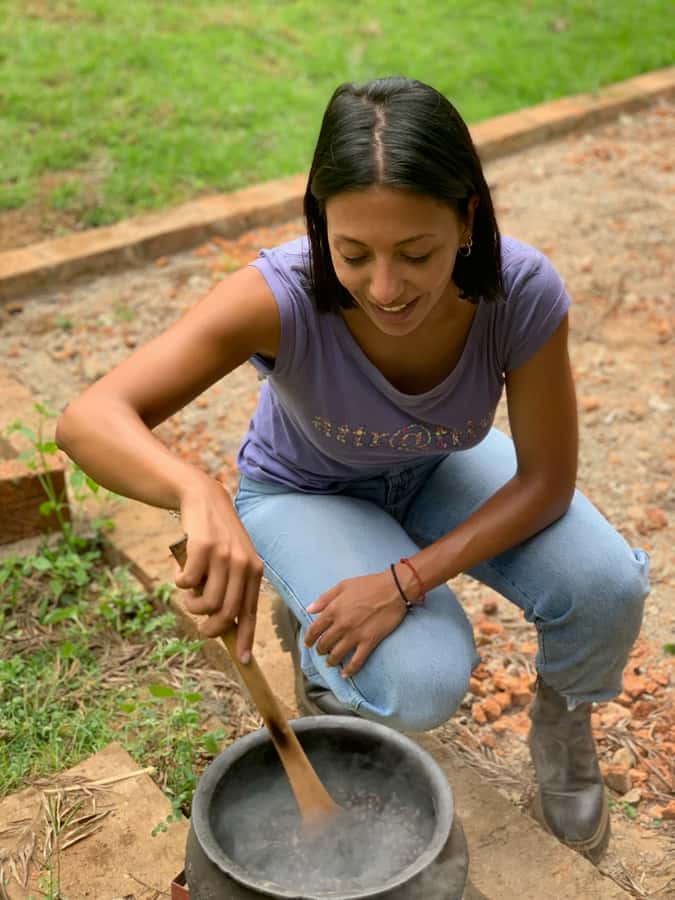
After the farm visit, you go to a private garden for the heart of the lesson: step-by-step preparation. This is where you turn from learner into maker.
Husking, pounding, and getting to the real beans
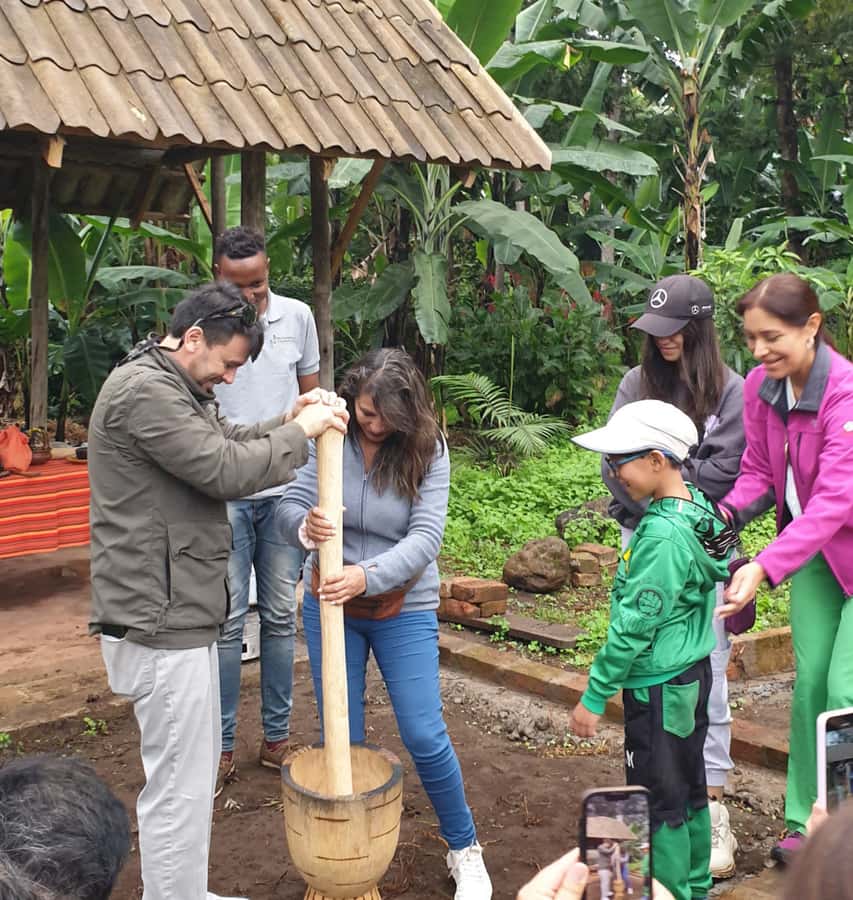
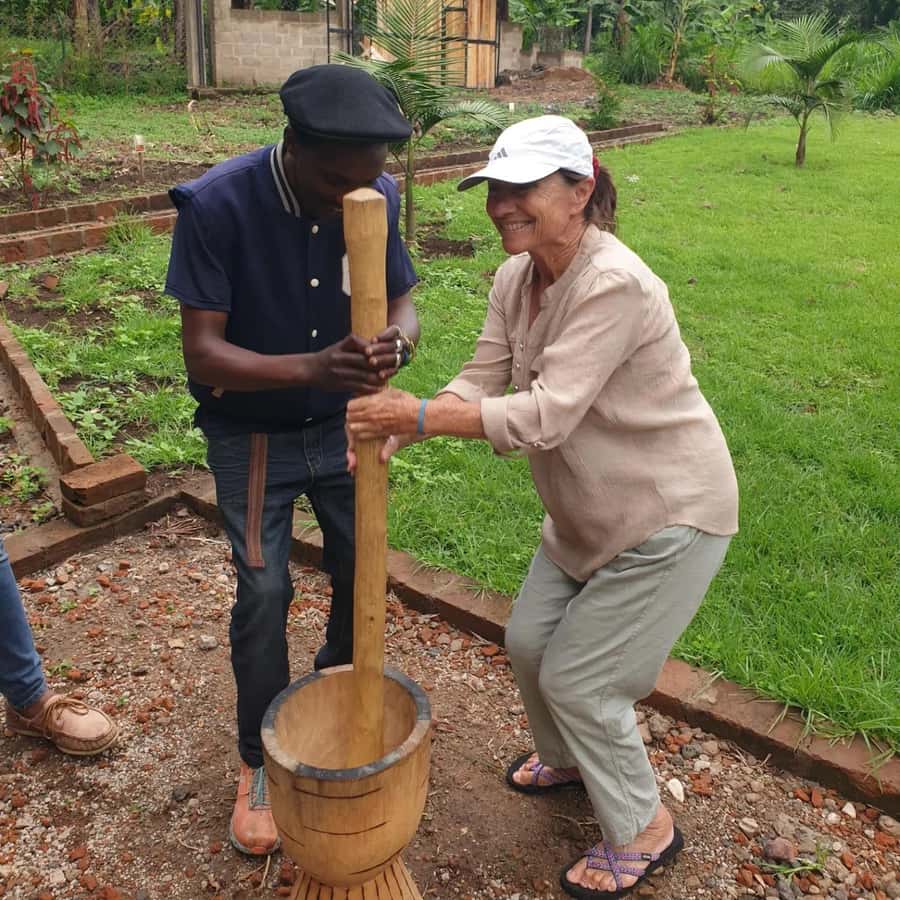
The process starts with a manual husking step. You begin by pounding dried beans in a large wooden mortar and pestle to remove the outer husk. It’s not subtle, and it’s not a one-click action. But that’s exactly the point. You feel the difference between dried outer material and what you’re preparing to roast.
Roasting in a clay pot over a charcoal fire
Next comes roasting. You roast the beans in a clay pot over a charcoal fire. This matters because it supports the rustic style of flavor the tour describes. Even if you don’t take scientific notes, you’ll likely notice that charcoal-roasted aroma hits differently than electric or gas roasting methods you might be used to.
Roasting in clay also ties the flavor to the tool. Clay changes how heat behaves, and traditional roasting methods can yield a more grounded, earthy character. The real win is that you are not just watching someone else do it. You’re learning how the roast happens in real time.
Grinding by pounding into fine powder
Once roasted, you pound the beans into a fine powder. Grinding is where a lot of coffee at-home usually goes wrong for beginners, because they cannot connect grind size to brewing outcome. Here, you get the feedback loop directly from your own grind and the brew that follows.
One consideration: you’ll be around active heat and tools, so stay focused. Follow your guide’s cues about where to stand and when to handle utensils, especially during roasting.
More coffee farm visits near Arusha:
- Materuni Waterfalls & Coffee Tour from Moshi
★ 5.0 · 92 reviews - Coffee tour and Buffet Lunch with Kingstone Asilia (Arusha)
★ 5.0 · 74 reviews - Materuni waterfalls,coffee tour & Kikuletwa(Chemka)Hot Springs
★ 5.0 · 49 reviews - From Arusha: Coffee Farm and Mangalia Waterfalls Tour
★ 4.9 · 48 reviews
Brewing your own organic single-origin cup, bean to mug
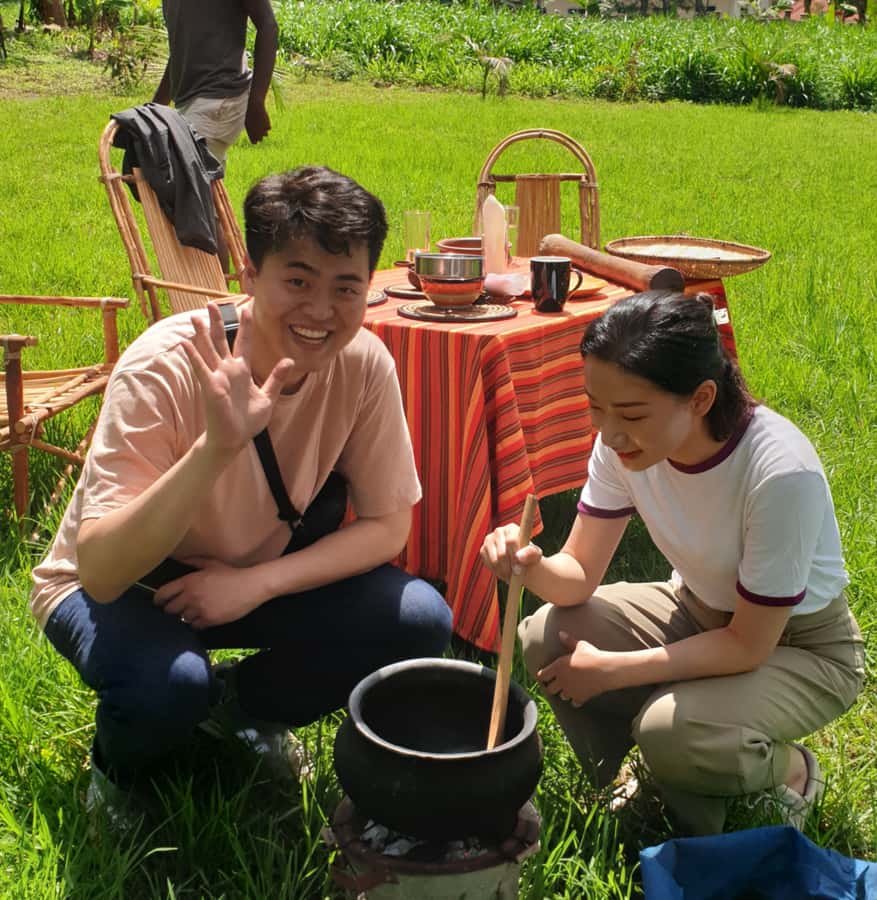
Finally, you brew and enjoy the coffee you made. This is where the tour turns from education into satisfaction.
The coffee itself is described as organic single-origin. That means you aren’t tasting a blend designed to smooth everything out. Single-origin coffee can make differences more obvious. It’s the kind of coffee that encourages you to pay attention: aroma first, then flavor, then how it feels after swallowing.
What you’ll learn by brewing your own cup
- How much your roast step influences taste
- How your grinding style affects extraction and body
- How brewing timing and technique translate into strength and clarity
This is also the moment that makes the whole 3-hour experience feel worth it. Many tours end with a sip. This one ends with a cup that is the result of husking, roasting, and grinding you performed with your guide beside you.
If you get snacks, you may find extras like coconut rolls alongside your drinks. The listing clearly includes drinks, and at least one person highlighted coconut rolls as a standout treat, so it is worth expecting some kind of friendly extra.
What makes the taste experience special, and how to remember it
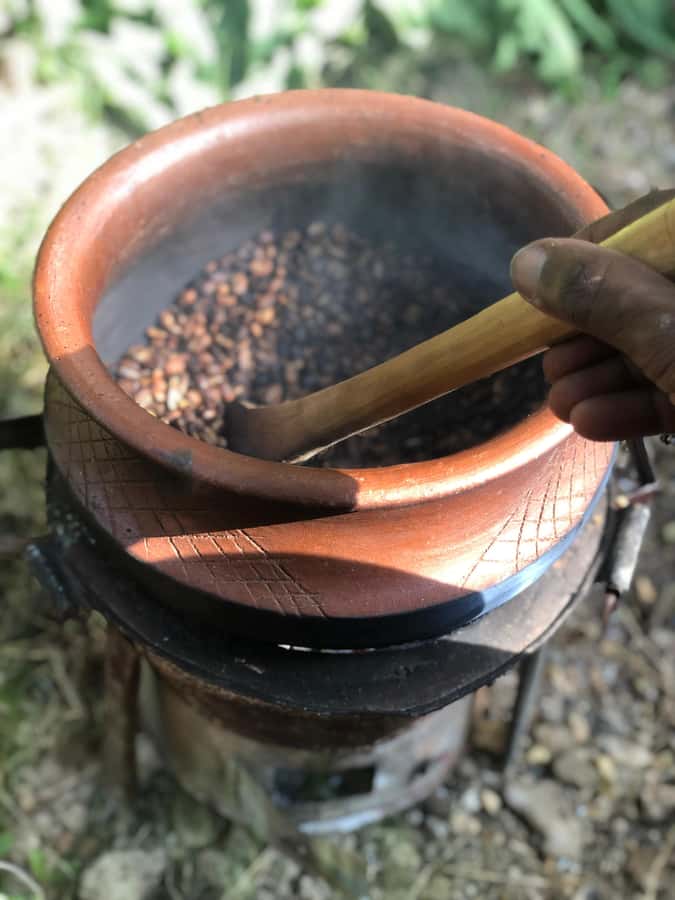
Taste is personal, but coffee follows patterns. When you go through the full process, your brain starts building a map:
- Roasting stage, the scent and darkness of the beans you see and the smell you catch while roasting
- Grinding stage, the texture you create and how it looks as it becomes powder
- Brewing stage, the aroma released as hot water meets fresh grounds and the final strength in the cup
You’ll likely notice that rustic roasting style from clay and charcoal tends to emphasize warmth and depth. Even if your coffee knowledge is basic, you can still talk with your guide using concrete words like smoky, earthy, nutty, or clean. The goal is to link your senses to the steps you did.
After the cup, I suggest you do one quick thing: ask your guide how they recommend recreating the flavor at home. Even if you cannot match the clay pot or charcoal fire, you can often replicate the essentials, like roast level, grind consistency, and brewing method.
Price and value: why $30 for 3 hours can make sense
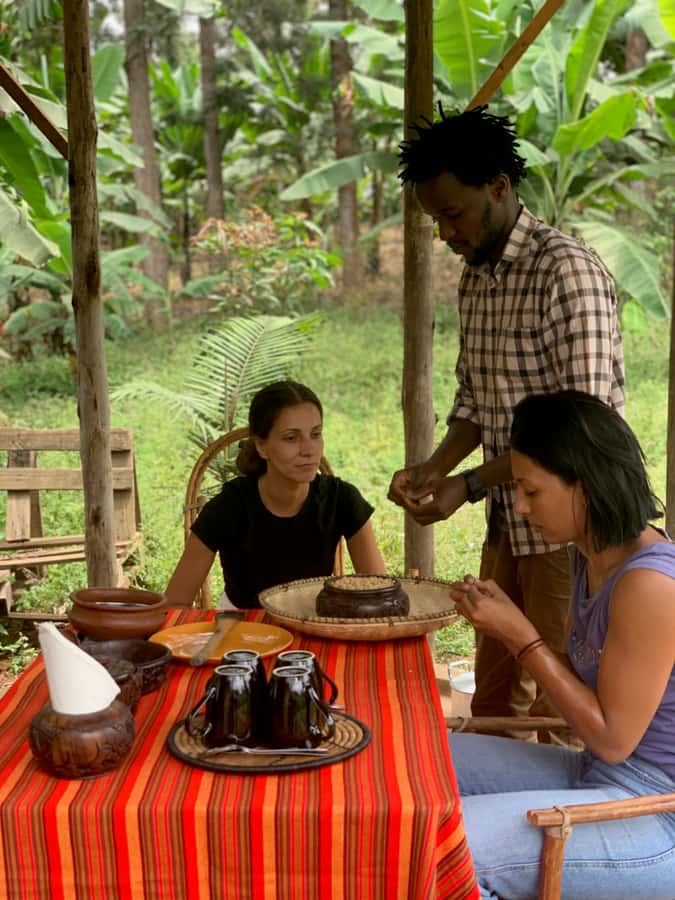
At $30 per person for a 3-hour experience, this tour is fairly priced for what you get. You’re paying for:
- A farm visit and guide time
- Hands-on instruction for multiple preparation steps
- Drinks during the experience
- The coffee you roast, grind, and brew yourself
The value comes from participation. You are not simply walking through a tasting room. You are doing the work. That’s why the “bean to cup” part matters. If you already love coffee, this is a skills-style experience. If you don’t know much yet, you get a guided structure that makes coffee less confusing.
Also, the time is tight in a good way. In 3 hours you can get a complete process and a satisfying cup. For many people visiting Arusha on a tight schedule, that balance is ideal.
Who should book this Arusha coffee preparation experience
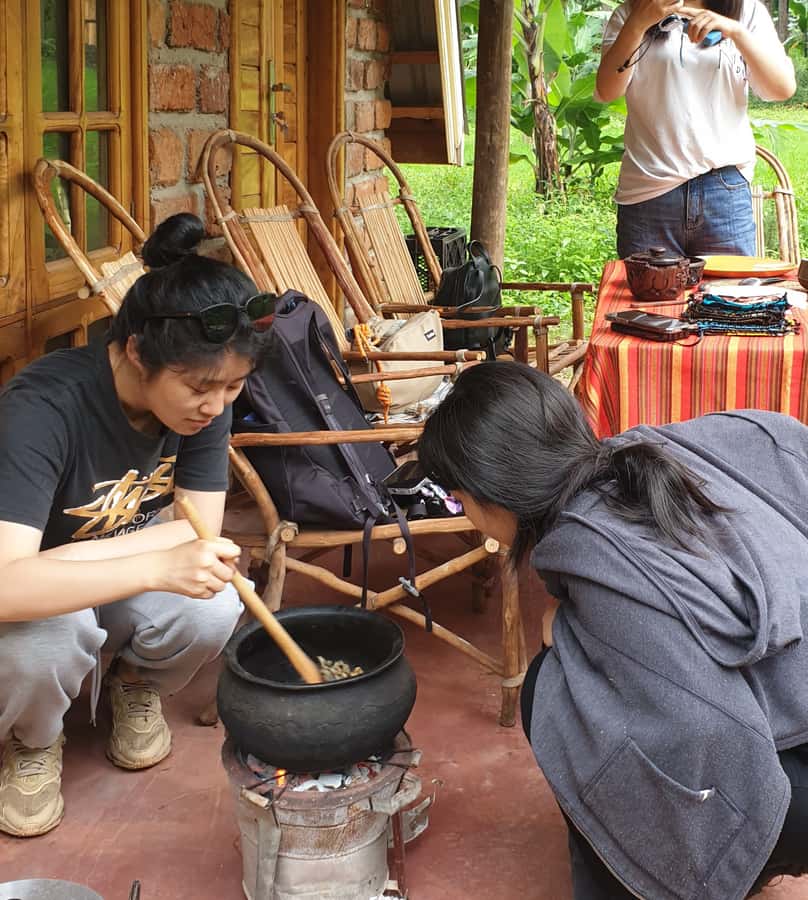
This is a strong match if you want:
- A hands-on coffee lesson, not just a tasting
- A traditional process you can describe after, because you personally handled the steps
- A short activity that fits a half-day or a simple travel plan
It also works well for couples, small groups, and solo visitors who enjoy active learning. If you like chatting with guides while doing something practical, this kind of tour rewards you.
If you’re traveling with limited time, the 3-hour format is helpful. If you have low tolerance for active tasks, you might find the pounding and roasting steps a bit much. But the guide walks you through each step, and you can generally pace yourself within reason.
Practical tips so you get the most from the manual steps
You don’t need special gear, but a few choices help:
- Wear closed-toe shoes with grip, because the day includes a farm walk and working in a garden area
- Bring a bottle of water if you tend to get thirsty easily, since you’ll be active
- Listen closely during the roasting and brewing parts, because small technique differences affect the cup
- Ask one or two questions at each stage. For example, what changes when the roast goes lighter or darker, or what grind texture is best for the brew style you’re making
If you’re a coffee person, you can also ask how this process results in flavor differences compared with other preparation methods. Your guide can help translate the traditional steps into everyday coffee language you can actually use.
Final decision: should you book Naturalland expeditions coffee preparation in Arusha?
I’d book this tour if you want coffee you can understand, not just coffee you can consume. The mix of a smallholder farm walk, organic single-origin coffee, and hands-on pounding, roasting in clay over charcoal, grinding, and brewing makes it a practical, memorable 3-hour experience.
Pass, or at least consider alternatives, if you only want a passive tasting and you dislike getting hands-on with tools or heat. Otherwise, this is the kind of Arusha activity that turns a local product into a skill you carry forward, with a cup at the end that tastes like what you did.
FAQ
How long is the Arusha traditional coffee preparation tour?
The experience runs for about 3 hours.
Where do I meet the guide?
Meet at Naturalland expeditions. Your guide will be waiting at the main road wearing a Naturalland expeditions t-shirt in gray or chocolate.
Is the tour guided in English?
Yes, there is a live tour guide in English.
What is included in the price?
The tour includes drinks, a coffee farm visit, and the guide fee.
How much does it cost?
The price is $30 per person.
What steps are included in the bean-to-cup coffee making?
You will learn the traditional process to husk, roast, grind, and brew coffee, starting from dried beans.
Is the coffee organic and single-origin?
Yes, you will enjoy organic single-origin coffee that you brew during the experience.
Can I cancel and get a full refund?
Free cancellation is available up to 24 hours in advance for a full refund.
Is there an option to reserve now and pay later?
Yes, you can reserve your spot and pay later.
Is the tour limited to one starting time?
The duration is 3 hours, and you should check availability to see starting times.
More Coffee Experiences in Arusha
- Arusha: Materuni Waterfalls, Coffee, and Hotsprings Tour
★ 4.8 · 78 reviews - 6 Days Serengeti Safari(hiking waterfalls &coffee tour)
★ 5.0 · 48 reviews - Hidden Arusha Waterfall, Coffee & Village Tour (All-Inclusive)
★ 5.0 · 42 reviews - Organic Coffee Tour and Local Food Experience in Arusha
★ 5.0 · 29 reviews
Just posted around Arusha
- 8 Days Serengeti Migration safari★ 5.0 · 11 reviews
- tarangire & ngorongoro 2 days tour★ 5.0 · 14 reviews
- serengeti, ngorongoro & tarangire 4 days private tour★ 5.0 · 18 reviews
- tarangire, ngorongoro & lake manyara park 3 days private tour★ 5.0 · 11 reviews
- serengeti & ngorongoro 3 days private tour★ 5.0 · 15 reviews
- climb the KILIMANJARO via Lemosho route★ 5.0 · 4 reviews
- Mt. Kilimanjaro: Shira plateau to Cathedral point 3872m Day hike★ 5.0 · 7 reviews
- 2 Days Tanzania Midrange Group Join Safari★ 5.0 · 7 reviews
Coffee Farm Tours, compared.

Materuni Waterfalls, coffee tour & Kikuletwa Hot Springs
Read our review →
Materuni waterfalls coffee tour & Chemka hot springs Day trip
Read our review →
Materuni Waterfall, Coffee Tour and Picnic Hot Lunch
Read our review →
Maasai village visit, Materuni waterfalls & coffee experience
Read our review →
Arusha or Moshi : Hot Spring, Waterfall & Coffee Farm Tour
Read our review →
Materuni Waterfalls, Chemka Hot Springs, &/Or Coffee Tour
Read our review →
Coffee tour and Buffet Lunch with Kingstone Asilia (Arusha)
Read our review →Browse the lists this tour appears in