
Reviewed · STONE TOWN TOURS
Zanzibar: Stone Town City Tour and Spice Farm with Lunch
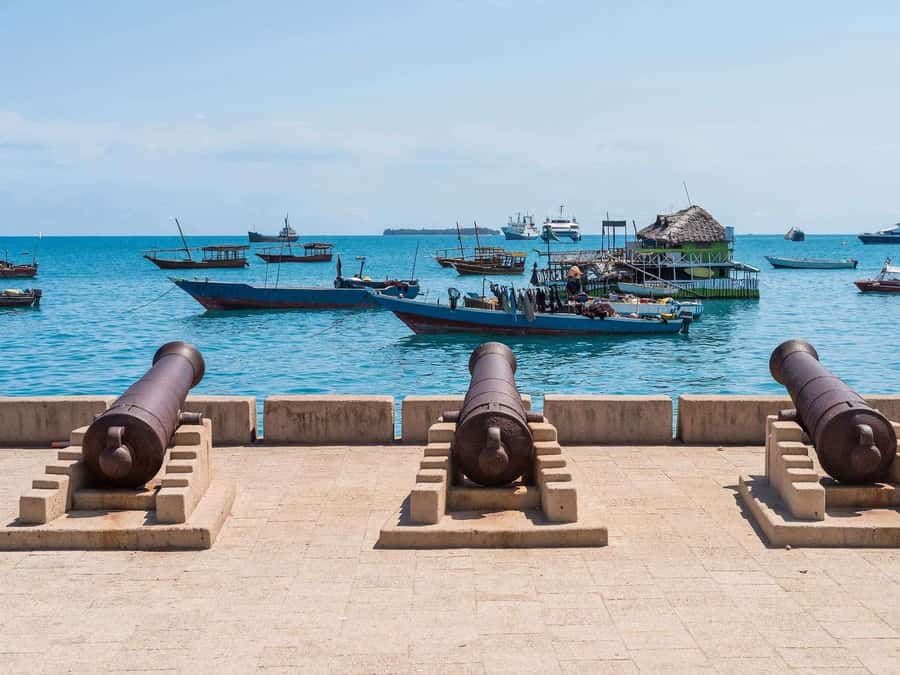
Spices and streets, all in one day. This is a private Zanzibar outing that pairs Stone Town landmark time with a hands-on spice farm visit, where you’re meant to smell, touch, and taste the ingredients that made the islands famous.
I especially like the Street-to-Significance flow, where you start at places tied to the slave trade and then move through key architecture like the Palace Museum and the House of Wonders, Bait-al-ajab. I also like that the spice portion is practical, with guided explanations and activities such as cassava leaf harvesting and making coconut milk, plus a coconut tree climber picking young coconuts for you to try.
One thing to plan for, though, is cash and timing. There are extra charges you pay on the spot, and pickup can run late, so you’ll want to confirm details before you commit the day.
In This Review
- Key things to know before you go
- Stone Town walking route: where the Arab, Persian, Indian, and European layers show
- The practical value for your trip
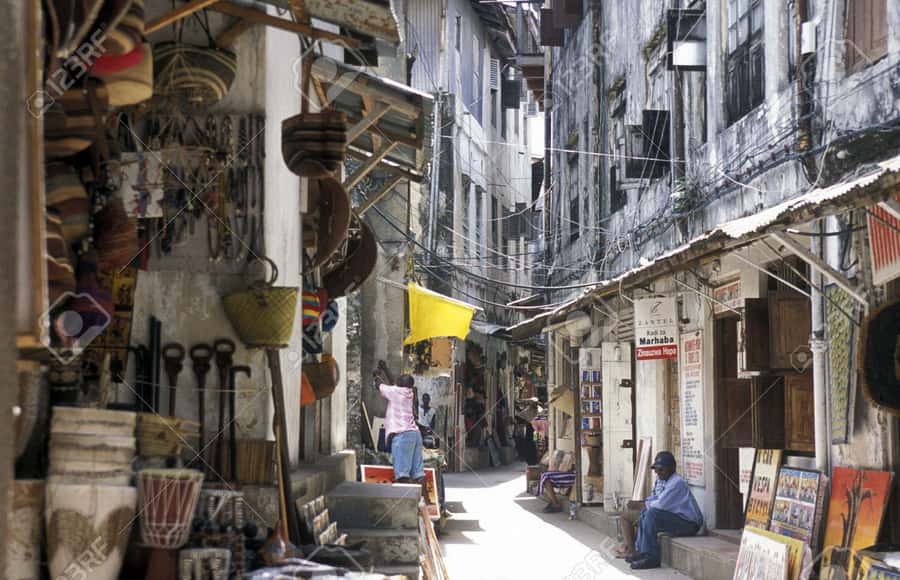
- City Market and fish auctions: the local food economy in real time
- How to get the most out of the market stop
- Landmark sequence: Palace Museum, Bait-al-ajab, Old Fort, and more
- A realistic expectation
- Spice farm time: cloves, nutmeg, cinnamon, black pepper, and real hands-on learning
- What you’ll likely learn that’s actually useful
- Notes on the shop and buying spices
- Lunch at the spice farm: what it is and why it’s part of the experience
- Price and value: $32 plus the cash costs that can change the math
- Is it good value anyway?
- Pickup, timing, and guide communication: the stuff that can make or break the day
- Cash pressure and tips: set expectations early
- A positive signal
- What to bring and how to get comfortable
- Who this tour is perfect for, and who should choose differently
- Should you book Stone Town and a Spice Farm with lunch?
Key things to know before you go
- Stone Town UNESCO sights on a guided circuit, including the Palace Museum and the Old Fort
- Market time with a look at the City Market and fish auction action
- House of Wonders (Bait-al-ajab) plus other landmark stops like Freddie Mercury’s house
- Organic spice farm activities that go beyond photos, with tasting and simple cooking steps
- Extra cash on arrival for slave market and spice farm entrance fees, paid in cash
- Guide quality varies, with some guides praised like Capuchino for patient explanations
Stone Town walking route: where the Arab, Persian, Indian, and European layers show
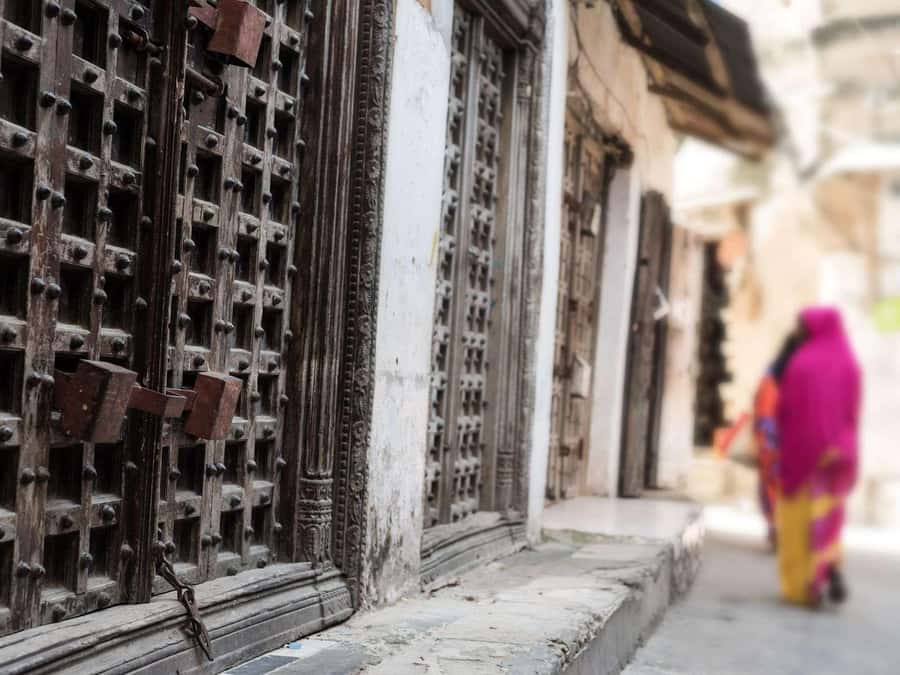
Stone Town works best when you’re walking, not rushing. The whole idea of this tour is to give you a real sense of how Zanzibar blended cultures into one compact maze of streets and stone buildings. Stone Town was recognized by UNESCO for its cultural importance, and you’ll feel that at street level.
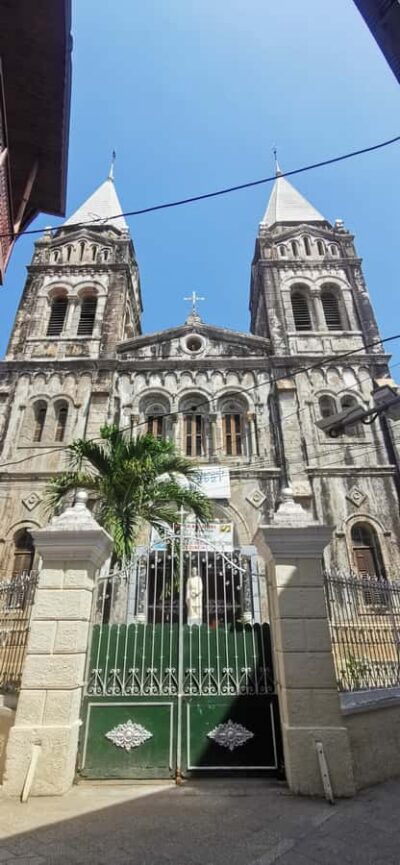
Your day starts in the older core, with time at the Old Slave Market site and the Anglican Church. After that, you move into the narrower lanes, where it gets easier to see why Stone Town’s architecture is so distinctive. You’re not just ticking boxes, you’re connecting street shapes to the stories tied to them.
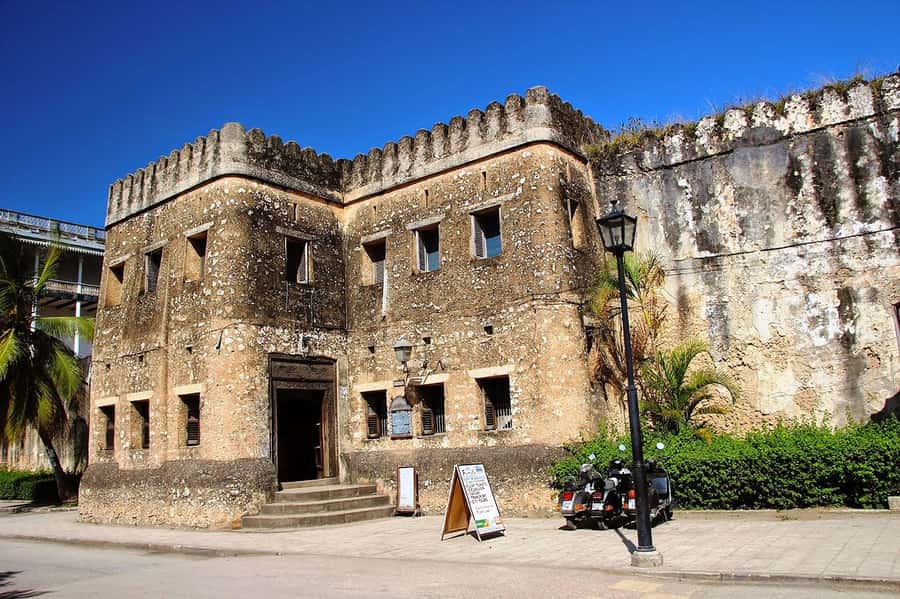
The route then flows into the bigger landmarks, including the Palace Museum and the House of Wonders, Bait-al-ajab, often described as the tallest and largest building in town. You’ll also get stops around the Old Fort, Tippu Tip’s House, and Freddie Mercury’s house. Even if you don’t know all the names, you’ll likely recognize the punchline: this is a place where trade routes, power shifts, and pop culture all share the same streets.
More City Tours in Zanzibar
- City tours zanzibar
★ 5.0 · 55 reviews - Stone town walking tour ( City tour)
★ 4.7 · 12 reviews - Stone Town City Tour
★ 4.5 · 3 reviews
The practical value for your trip
If it’s your first time in Zanzibar, this tour helps you get your bearings fast. It’s also a good way to avoid the common problem of spending hours wandering without a framework. With a guide, you understand what you’re looking at, especially when the details are easy to miss on your own.
City Market and fish auctions: the local food economy in real time
One of the smartest parts of this itinerary is the stop at the City Market area. This is where Zanzibar shows you daily life rather than cleaned-up viewpoints. You’ll be able to look at fresh produce and watch people buying and selling, and you’ll also see the fish auction activity.
This matters because Stone Town is not just a museum town. It’s a working port city, and the market is where that energy becomes tangible. If you enjoy food, cooking, or just understanding how places run, this stop is usually the one you remember later.
That said, you should know what kind of visit this is. This is sightseeing mixed with observation, not a deep food tour with tastings listed on the plan. You’ll likely see a lot, but you may not taste much unless your guide works in extra recommendations.
How to get the most out of the market stop
Wear comfortable shoes, because market areas can mean uneven ground and lots of moving people. And if you’re sensitive to crowds or strong smells, keep your pace steady and don’t feel you have to stand in the tightest spots to get the story.
More spice farm visits in Zanzibar City:
- Zanzibar: Stone Town, Spice Tour, Prison Island with Lunch
★ 4.4 · 1,219 reviews - Zanzibar: Prison Island, Stone Town, & Spice Farm Tour
★ 4.5 · 579 reviews - Zanzibar: Stone Town, Spice tour & Prison Island with Lunch
★ 4.6 · 453 reviews - Full-Day Private Stone Town +Spice Farm and Prison Island Tour
★ 4.5 · 216 reviews
Landmark sequence: Palace Museum, Bait-al-ajab, Old Fort, and more
The landmark section is the backbone of the Stone Town experience here. You’re not only learning names, you’re getting a sense of what each site represented, from palace power to defensive strength.
At the Palace Museum, you’ll get the idea that Stone Town’s elite life was tied to trade and politics. The House of Wonders, Bait-al-ajab, is a key visual stop because it signals ambition, wealth, and influence from outside Zanzibar. Those are not just pretty buildings, they’re clues to how the island connected to bigger worlds.
Then you move to the Old Fort area. Forts tell you a different story than palaces. They suggest protection, control, and the reality of competition in a strategic location like Zanzibar.
You also visit Tippu Tip’s House and Freddie Mercury’s house. That combination is very Zanzibar. Historic trade power meets modern global pop culture, all inside the same neighborhood geography. It’s a fun contrast, and it helps a lot of people stay engaged even if history isn’t their top interest.
A realistic expectation
This is a guided tour, so you’ll spend more time explaining and less time wandering randomly. You should still expect short walks between stops and moments where you pause for photos and context.
Spice farm time: cloves, nutmeg, cinnamon, black pepper, and real hands-on learning
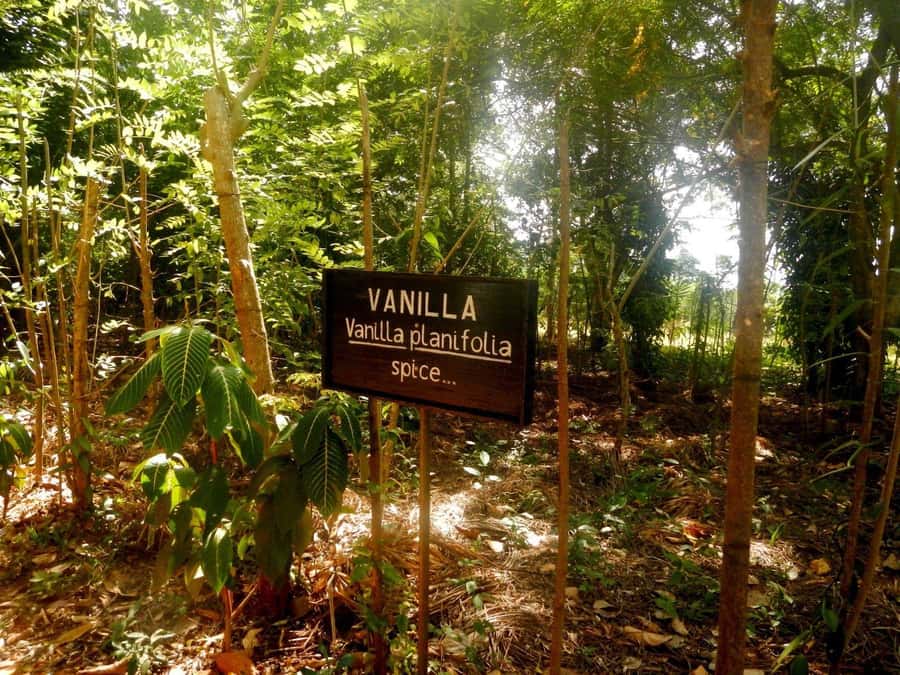
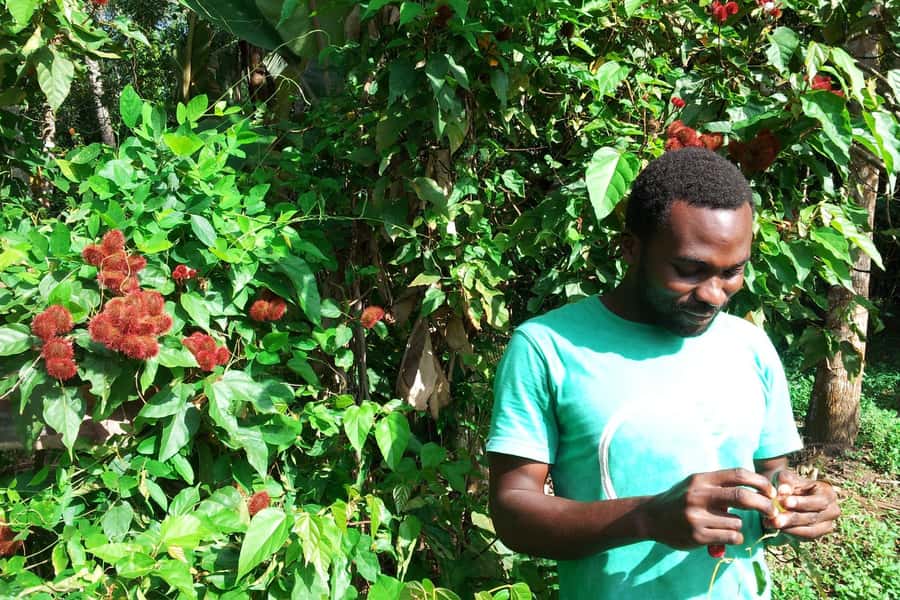
The spice farm portion is the star of the second half of the day. Zanzibar’s nickname as the Spice Islands comes from the production of cloves, nutmeg, cinnamon, and black pepper, and this is where you see those plants in the environment they actually grow in.
At an organic spice farm, your guide explains how spices are grown and how they’re used in medicine and cooking. Then you get to interact with the plants by touching, smelling, and tasting. That’s the part that makes the visit feel different from a souvenir stop, because you’re not just looking at dried jars in a shop.
There are also activities that make the farm feel practical and less staged. The day can include a cassava leaf harvest, making coconut milk, and practicing some basic cooking techniques. You’ll also get fresh young coconuts picked by a coconut tree climber, so you can try the taste straight from the tree.
What you’ll likely learn that’s actually useful
Spices are hard to understand when you only see them in powdered form. Seeing the plants, learning how they’re used, and tasting them as part of a guided food process helps the flavors make sense. Even if you don’t become a spice expert, you’ll walk away with better instincts for what to buy and how to use it.
Notes on the shop and buying spices
You do have a chance to purchase spices from the shop at the end, and the plan notes that it is cash only. That means you’ll want to bring some cash for the shopping part, even if the tour price itself feels affordable.
Lunch at the spice farm: what it is and why it’s part of the experience

Lunch is included at a local restaurant, and you’ll also end your farm portion with lunch at the spice farm. In other words, this isn’t a tour where you’re left trying to find food on your own after the best part of the day.
The practical benefit is timing. The spice farm experience can make you hungry, and a scheduled meal keeps you from wasting time hunting for a place to eat while everyone else moves on.
Because the tour description doesn’t list an exact menu, you should treat lunch as included comfort rather than a specific dish promise. Expect a meal tied to local ingredients and flavors, especially since the farm portion includes spice and coconut themes.
Price and value: $32 plus the cash costs that can change the math

The headline price is $32 per person, and that’s a solid entry point for a guided Stone Town day plus a spice farm stop and lunch. It also includes water and a professional guide, and hotel pickup and drop-off if that option is selected.
But you should do the math like a grown-up, not like an optimist. The plan notes extra entrance fees: slave market and spice farm entrance cost $10 per person, paid in cash on the spot. So the real day cost can be higher than the sticker price once you factor in those fees.
Then there are transport considerations. If you are staying outside Stone Town, the transfer can cost extra. One example in the notes you provided says pickup from areas like Nungwi can add around $20 per person, so that’s worth planning for if you’re not already based inside the city.
Is it good value anyway?
For me, it’s good value when you want both halves of the story: Stone Town orientation and a hands-on spice experience. If you only care about one side, you might do better splitting your plans and booking separate options.
Pickup, timing, and guide communication: the stuff that can make or break the day
This tour is sold as private, but your day still depends on pickup and coordination. And the timing issues in the notes you provided are clear enough to take seriously.
In one case, pickup was supposed to be 08:00 but didn’t happen until 09:40, and the day felt delayed enough that the tour start and route shifted. Another note says the scheduled day was shorter than expected, with the tour taking about 4 hours instead of a plan that was closer to 7 hours. These aren’t tiny differences. They can affect how much of Stone Town you see and how relaxed the spice farm visit feels.
Communication can also make a big difference. One example mentions lots of WhatsApp back-and-forth before pickup finally arrived. I’d treat that as a warning sign: confirm your pickup time before the day starts, then re-check it the same morning.
Cash pressure and tips: set expectations early
Some of the notes you shared point to repeated reminders about tipping and buying things to support people. That might feel normal to some guides, but it can also take the joy out of the experience if you feel pushed.
There’s also a sensitive issue around extra money requests on arrival. One account described an unexpected request for $10 each for town and $10 per person for the spice farm, on top of what had already been paid. I cannot verify what happened in that specific situation, but the lesson is simple: when something changes at the meeting point, ask for clear confirmation of what costs are required and what is optional, then decide.
A positive signal
On the flip side, at least one guide was praised by name, Capuchino, for being patient, kind, and answering questions during the day. That tells me the experience can be genuinely great when the guide is steady and friendly, and when you feel treated fairly and clearly.
What to bring and how to get comfortable
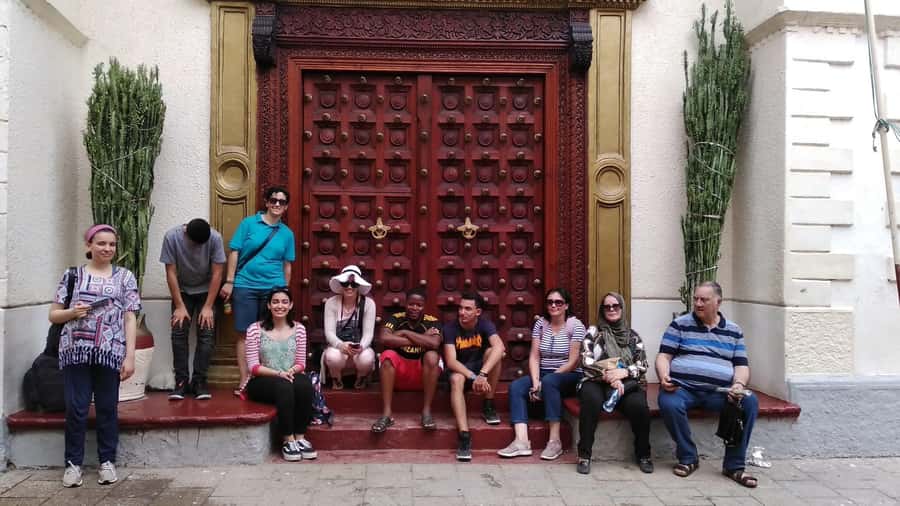
Bring comfortable clothes. You’re walking through Stone Town streets and then spending time outdoors at a spice farm, so lightweight layers and breathable fabric help. Comfortable shoes matter more than you think.
Also think ahead about cash. The plan explicitly requires cash for slave market and spice farm entrance fees. And the shop is cash only. If you also want to handle tipping calmly, carry a small amount of cash so you’re not scrambling in the moment.
If you’re sending hotel pickup details, provide your hotel name and room number so your pickup time can be scheduled correctly.
Who this tour is perfect for, and who should choose differently
This tour is ideal if you want a strong first day in Zanzibar. You’ll get landmark context in Stone Town and a hands-on flavor education at the spice farm. It’s also a good fit if you like food-related travel and you enjoy learning through smell and taste, not only photos.
It may be less ideal if:
- You hate delays and need a tightly planned schedule
- You don’t carry cash and don’t want to find an ATM in a stressful moment
- You prefer totally hands-off shopping, since spice purchases can be part of the end of the farm visit
If you’re traveling with limited time, consider whether you’re willing to trade a bit of schedule flexibility for the value of combining two major Zanzibar experiences.
Should you book Stone Town and a Spice Farm with lunch?
Yes, with smart preparation.
Book it if you want a guided Stone Town overview plus a spice farm day where you actually interact with the plants and learn how Zanzibar’s famous spices work in real life. The $32 price can be a good deal, especially since lunch and water are included and you’ll get professional guidance.
Skip it or look for an alternative if you cannot handle cash-on-arrival costs, or if being late would wreck your plans. And before you go, do two things: confirm pickup timing in advance, and plan your day around the possibility of schedule slippage so the experience stays enjoyable.
More Farms in Zanzibar City
- Zanzibar full day Jozani forest + Spice farm and stone town
★ 4.7 · 90 reviews - STONE TOWN, PRISON ISLAND AND SPICE FARM ( Lunch included )
★ 5.0 · 53 reviews - Zanzibar Private Spice Farm and Stonetown Tour(Include Lunch)
★ 5.0 · 53 reviews - Full Day Holiday Package (Prison Island-Stone Town-Spice farm)
★ 5.0 · 33 reviews
More Stone Town Walks
- Stone Town Private Walking Tour
★ 5.0 · 371 reviews - Zanzibar: 3 Hours Private Stone Town walking Tour with Guide
★ 4.6 · 301 reviews - Zanzibar: Stone Town Historical Cultural Walking Guided Tour
★ 4.5 · 179 reviews - Zanzibar: Spice Tour & Stone Town Walking Tour
★ 4.8 · 115 reviews
Just posted around Zanzibar City
- Mnemba Private Snorkeling Experience★ 5.0 · 4 reviews
- Serengeti & Ngorongoro 3 days Fly Safari in from Zanzibar★ 5.0 · 21 reviews
- Zanzibar Full Day experience★ 4.5 · 5 reviews
- Private Zanzibar Stone Town Historical Tour★ 5.0 · 13 reviews
- Zanzibar Spices Farms Tour (Private)★ 5.0 · 3 reviews
- Zanzibar’s Finest: Private Tour of Top 5 Attractions with Lunch★ 4.5 · 9 reviews
- Full-Day Stone Town and Prison Island Tour in Zanzibar★ 4.0 · 9 reviews
- Zanzibar Spice Tour★ 5.0 · 9 reviews
Stone Town Tours, compared.

Stone Town, Spice Tour, Prison Island with Lunch
Read our review →

Prison Island, Nakupenda, StoneTown Tour with BBQ
Read our review →Stone Town, Spice tour & Prison Island with Lunch
Read our review →
3 Hours Private Stone Town walking Tour with Guide
Read our review →
Full-Day Private Stone Town +Spice Farm and Prison Island Tour
Read our review →
Stone Town Historical Cultural Walking Guided Tour
Read our review →Browse the lists this tour appears in