

Reviewed · STONE TOWN TOURS
Zanzibar: Stone Town 3-Hour Walking Tour
Stone Town is tight, old, and full of stories, and this 3-hour walking tour is a smart way to skim the surface without missing the key places. What I like most is how the guide connects the landmarks to everyday life, so history feels human, not like a list. I also love the market stop, because you get to smell and see the real ingredients behind the spice reputation, not just photos.
The main trade-off is that Stone Town is all walking, and some parts can be awkward underfoot, especially if you have mobility needs or you rely on step-free routes. The tour also has a clear dress and luggage rule, so you’ll want comfortable shoes and nothing bulky, or your day can turn into a hassle before it even starts.
In This Review
- Quick hits
- How a 3-hour Stone Town walk keeps you from getting lost
- Arab Fort and the House of Wonders, where the big stories start
- Forodhani Gardens and the Darajani fruits and spice market: smell, see, and shop smart
- The Anglican Cathedral area and the former slave market, a hard truth explained
- Freddie Mercury house stop and Jaws Corner coffee, pop culture with local footing
- Curio shops and bazaar lanes: browsing with a guide’s eyes
- Swahili origins plus the Sultan Palace entrance, learning that sticks
- Price and what $27 buys you in Stone Town
- Practical tips: what to wear, what to bring, and how to get the most out of 3 hours
- Who should book this walking tour, and who should skip it
- Should you book this Zanzibar Stone Town walking tour?
- FAQ
- How long is the Zanzibar Stone Town 3-Hour Walking Tour?
- What is the price per person?
- What’s included in the tour cost?
- What time is hotel pickup in Stone Town?
- What languages is the live guide available in?
- Are there dress or luggage rules?
Quick hits
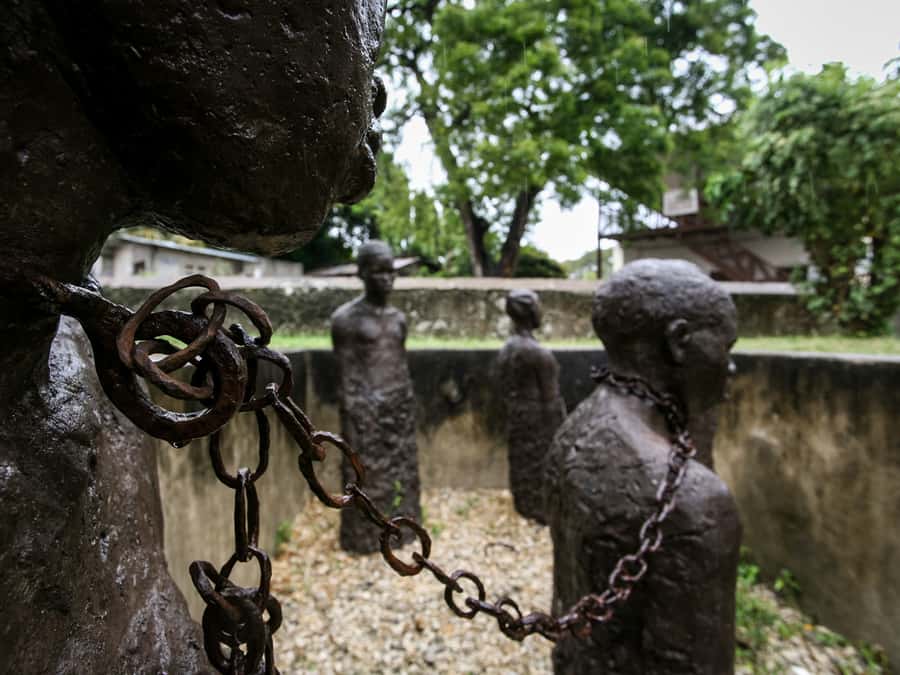
- Old slave market area plus Anglican Cathedral gives you the context behind the city’s role in the East African slave trade.
- Arab Fort and the House of Wonders help you understand why Stone Town became a powerful trading hub.
- Forodhani Gardens (Darajani) fruits and spice market is where you can actually experience Zanzibar’s flavors.
- Swahili origins get explained in plain language, so the language story clicks.
- Freddie Mercury house stop and Jaws Corner coffee blend famous Zanzibar with local hangout energy.
- Curio shop streets and market browsing time give you a chance to look, ask, and shop with a guide’s help.
How a 3-hour Stone Town walk keeps you from getting lost
Stone Town is the kind of place where getting turned around can be part of the charm, but it’s also easy to miss the places that actually explain the city. This tour is built around a tight timeline, so you get orientation fast and then you move with a guide’s route knowledge through narrow streets.
Pickup is included, and if you’re staying in Stone Town the pick-up is at 9:00 AM from your hotel lobby. That matters because the streets and markets are easiest to navigate earlier in the day, and you avoid the worst of the heat.
You should plan on walking the whole time. You’ll also follow a few simple rules that make the tour smoother: no luggage or large bags, and clothing should be at least below the knees. If you show up with a daybag and a water bottle, you’ll be fine. If you show up with a suitcase, you’ll be stuck figuring out what to do with it.
More Walking Tours in Zanzibar
- Stone Town Private Walking Tour
★ 5.0 · 371 reviews - Zanzibar: 3 Hours Private Stone Town walking Tour with Guide
★ 4.6 · 301 reviews - Zanzibar: Stone Town Historical Cultural Walking Guided Tour
★ 4.5 · 179 reviews
Arab Fort and the House of Wonders, where the big stories start
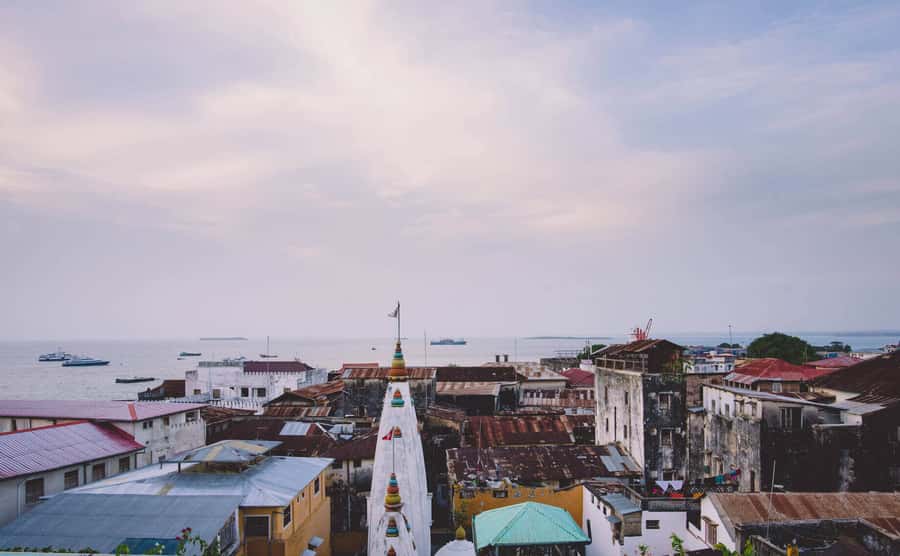
You start by heading to the old fort, also called the Arab Fort, and then you move on toward the House of Wonders. These stops are valuable because they set the stage for why Stone Town looks the way it does and why power in Zanzibar historically centered on trade, authority, and maritime connections.
I like that the tour doesn’t treat these places as postcard backdrops. With your guide, the buildings become reference points for anecdotes, including how the city evolved under different influences. Guides also often read the streets as part of the story, so you start noticing patterns, not just walls and doors.
One practical consideration: forts and older structures can mean stairs and tight access at certain points. If you have mobility constraints, don’t assume every entrance is step-free, even if accessibility is mentioned. In your planning, treat this as a walking tour that includes older architecture, not as a fully smooth route.
Forodhani Gardens and the Darajani fruits and spice market: smell, see, and shop smart
Next comes Forodhani Gardens, commonly connected with the Darajani fruits and spice market. This is usually the most fun stop because it’s sensory. You’ll see piles of spices, trays of fruit, and vendors who can explain what they sell. A guide can also help you understand what you’re looking at, which matters because spices can sound similar in English but be totally different in flavor.
This stop also gives you a chance to do the classic Stone Town activity: wander narrow market lanes and peek into storefronts. One review noted that the guide showed the route through the market area well and brought the group to a typical food market. Another review also criticized the time spent at a spice stall, so here’s the balance: plan to browse, and if you want to shop, do it with a calm pace and compare options rather than feeling rushed.
What to do if shopping is your goal:
- Ask what you’re smelling or tasting, before you buy.
- If you’re offered a specific stand to purchase from, take a moment and compare prices and selection elsewhere in the market if time allows.
- Keep expectations flexible. Market focus can shift depending on the guide and timing.
The Anglican Cathedral area and the former slave market, a hard truth explained
The tour includes a stop at the Anglican Cathedral, also known as the former slave market, described as a hub for the East African slave trade for centuries. This is the part of Stone Town that’s emotionally heavy, and it’s also the part you’ll remember most because the history is specific, not vague.
What makes this stop valuable is how it connects the physical space to what happened there: enslaved people were hunted and abducted from regions including Malawi, Congo, Zambia, and other parts of East Africa. Your guide’s job here is to keep the explanation clear, respectful, and grounded in context.
There’s also a real-world note to keep you prepared. One review said the guide did not enter the slavery museum area during that visit, even though there was time. I can’t promise how every guide handles indoor portions, so if you specifically want to spend time inside any museum space at the site, ask your guide early in the tour how much time is planned for interiors. You’ll get more control that way.
More Stone Town walks:
- Zanzibar: Stone Town, Spice Tour, Prison Island with Lunch
★ 4.4 · 1,219 reviews - Zanzibar: Prison Island, Stone Town, & Spice Farm Tour
★ 4.5 · 579 reviews - Zanzibar; Prison Island, Nakupenda, StoneTown Tour with BBQ
★ 4.3 · 457 reviews - Zanzibar: Stone Town, Spice tour & Prison Island with Lunch
★ 4.6 · 453 reviews
Freddie Mercury house stop and Jaws Corner coffee, pop culture with local footing
Stone Town has a famous music connection, and this tour includes the Freddie Mercury house area as well as Jaws Corner coffee shop. I like this combo because it prevents the day from turning into only solemn stops. You get a well-known landmark, then you get something more everyday, where people actually sit, sip, and watch the street.
The key thing to know is that a house stop in a dense, residential part of town may mean you see the exterior or the location as a photo stop rather than a full visit inside. One review said the Freddie Mercury house portion was handled in a way that left the group unclear about what was included, so I suggest you treat this as a location stop first and then be ready to adjust your expectations for inside access.
Jaws Corner is also a good place to reset. Coffee can be expensive in tourist spots anywhere, so keep an eye on what you order. But even without buying anything, it’s useful as a pause point, and it’s a chance to watch daily Stone Town life for a few minutes.
Curio shops and bazaar lanes: browsing with a guide’s eyes
After the market portion and the landmark stops, you’ll spend time exploring the narrow streets alongside curio shops and a dedicated Zanzibar Curio Shop stop. This is where a guide adds value beyond just walking you down streets. The better guides can help you separate a quick impulse buy from something you truly like and understand, like local crafts made for export versus pieces meant mainly for locals.
It’s also the part where your guide’s communication can really matter. One review praised a guide for showing unexpected corners and sharing anecdotes about the city and its residents. Another mentioned a guide was very informative during the tour and answered questions well, while also noting that time passed quickly and they wished they had more time for shopping.
So here’s what I’d do if you want shopping time:
- Pick one or two items you actually want before you enter the shop.
- Ask how to spot quality and what materials to look for.
- If a guide points to a specific place to buy spices, treat it as a recommendation, not the only option.
Also follow one practical rule: you may not take someone’s picture without permission. That’s especially relevant in curio lanes where vendors and shop owners often prefer to choose if they want to be photographed.
Swahili origins plus the Sultan Palace entrance, learning that sticks
Two highlights called out for this tour are the origin of Swahili and a stop that includes the Sultan Palace entrance fee. Even if you’re not a language nerd, Swahili is one of the best entry points into understanding East African coastal culture, trade routes, and cultural blending.
I like that your guide weaves language history into the city walk. That means you’re not only seeing architecture and markets, you’re also getting a reason for why the city developed the way it did. If your guide is strong, this is where the tour starts to feel like more than sightseeing.
The Sultan Palace entrance being included also adds value. It’s one of the few costs you don’t have to calculate on your own, and it keeps the experience from feeling like you’re constantly paying extra for the main attractions.
Timing is the question mark here. With a 3-hour schedule, you won’t get endless time at every point. But you should leave with a clearer mental map, and you can always return later for deeper exploration.
Price and what $27 buys you in Stone Town
At $27 per person for a 3-hour walking tour, the price feels fair when you look at what’s included. You get hotel pickup and drop-off, a guide fee, government taxes, and an entrance fee to Sultan Palace. That package approach matters in Stone Town because transportation and entry costs add up quickly if you do everything on your own.
You’re also paying for the guide’s ability to connect dots. Guides who share good city stories help you notice details you would otherwise skip, like how different sites link to trade power and to the city’s darker chapters.
Is it perfect value? Not always. The criticism in the feedback points to two possible weak spots:
- If you feel the route gets too focused on one shopping stop, the value shifts from learning to selling.
- If indoor portions are skipped, you may feel the tour didn’t deliver what you expected for a museum-like experience.
Still, with the right mindset you can get a lot for your money, especially if you treat the shopping stops as optional and you prioritize the history and market context.
Practical tips: what to wear, what to bring, and how to get the most out of 3 hours
Before you go, plan around the simple constraints that can make or break the experience.
Bring:
- Sunscreen (the walk and market heat add up fast)
Wear:
- Clothing at least below the knees
Wear-hows:
- Comfortable shoes, because Stone Town’s streets are not built for flip-flops and quick stumbles.
Don’t bring:
- Luggage or large bags
Respect rules:
- Don’t take someone’s picture without permission.
One more reality check on mobility: the tour is marketed as wheelchair accessible, but it’s also listed as not suitable for people with mobility impairments. That’s a red flag to confirm your exact needs with the operator before booking. Stone Town is compact and uneven, and older fort and site entrances can be the deciding factor.
Who should book this walking tour, and who should skip it
This tour is a strong fit if you want:
- A fast orientation to Stone Town without planning every turn
- The market experience with guidance on what you’re seeing
- A guided explanation of hard history, plus context on Swahili origins
- A schedule that fits into a morning block
It may not be the best match if you:
- Need a low-walking or fully step-free route
- Want lots of guaranteed time inside multiple museum spaces
- Hate shopping pressure and prefer fully independent time
If you’re traveling as a private group, the tour also offers a private group option, which usually helps if you want a more flexible pace and more time for questions.
Should you book this Zanzibar Stone Town walking tour?
If you want the big themes of Stone Town in one clean morning, I’d book it. The tour’s structure makes sense for first-timers: fort and palace context early, market and city lanes in the middle, and the Anglican Cathedral area to anchor the history. The people part also seems to matter, because reviews consistently highlight strong guides, including names like Amari and Mohamed, who were praised for explanations and for showing the city’s surprising corners.
I’d also book it if your budget is tight and you want real value from what’s included, especially the Sultan Palace entrance fee and hotel pickup.
Skip or confirm first if mobility is your main concern, since you may face stairs or uneven surfaces even if accessibility is mentioned. Also, if you care deeply about museum interiors and the Freddie Mercury house visit format, message the operator ahead of time to ask what’s included in the stops and how much time goes indoors.
FAQ
How long is the Zanzibar Stone Town 3-Hour Walking Tour?
The tour lasts 3 hours.
What is the price per person?
The price is $27 per person.
What’s included in the tour cost?
Hotel pickup and drop-off, the guide fee to all the markets, entrance fee to Sultan Palace, and government taxes are included.
What time is hotel pickup in Stone Town?
If you are staying in Stone Town, pickup is at 9:00 AM from your hotel lobby.
What languages is the live guide available in?
The live tour guide is available in Spanish, French, German, Italian, and Russian.
Are there dress or luggage rules?
Yes. You must wear clothing at least below the knees, and luggage or large bags are not allowed.
Just posted around Zanzibar
- Stonetown Private Half-day Walking Tour★ 5.0 · 21 reviews
- Full Day Safari to Mikumi National Park from Zanzibar with Lunch★ 4.5 · 3 reviews
- Dolphin Watching Tour & Josani Forest Sea Trip – Zanzibar★ 4.5 · 3 reviews
- Come and taste the Zanzibar feelings★ 5.0 · 12 reviews
- Cooking Class Tour★ 5.0 · 9 reviews
- Cultural Walking Tour through Stonetown, a UNESCO World Heritage Site★ 4.5 · 14 reviews
- Private Catamaran – Stone Town Islands & Sandbanks (5 hrs)★ 5.0 · 10 reviews
- Cave Tour & Rock Restaurant Visit★ 3.5 · 5 reviews
Stone Town Tours, compared.
Stone Town, Spice Tour, Prison Island with Lunch
Read our review →

Prison Island, Nakupenda, StoneTown Tour with BBQ
Read our review →Stone Town, Spice tour & Prison Island with Lunch
Read our review →
3 Hours Private Stone Town walking Tour with Guide
Read our review →
Full-Day Private Stone Town +Spice Farm and Prison Island Tour
Read our review →
Stone Town Historical Cultural Walking Guided Tour
Read our review →Browse the lists this tour appears in