

Reviewed · SPICE FARM TOURS
Zanzibar: Spice Farm Tour with Lunch & Tropical Fruits
Spices have a soundtrack here. On this Zanzibar spice farm visit, you walk among clove, nutmeg, vanilla, and cardamom while a real guide explains what you are seeing and why it matters. I loved how hands-on it feels, and how the guide ties each plant to everyday uses.
I also liked two practical things a lot. First, you get plenty of chances to smell and taste what grows there, not just hear facts. Second, the traditional lunch and fruit stop actually holds up, with papaya, mango, and jackfruit on the menu.
One consideration: since it is a working plantation with paths between plants, wear comfortable shoes and expect a bit of sun and uneven ground.
In This Review
- Key takeaways
- Finding Jambo Spice Farm in Dole Village and planning your 2.5-hour visit
- Cloves, cinnamon, turmeric, nutmeg, vanilla, and the spice garden walk-through
- How guides explain cooking use, plus what to watch for when you taste
- Neem leaves for malaria and the iodine tree for wound healing
- Tropical fruit tasting, from papaya and mango to jackfruit
- Lunch on the plantation, and how to turn the flavors into kitchen confidence
- The spice shop at the end, buying freshly harvested spices without regret
- Price and value: is $27 per person a fair deal
- Who should book this spice farm tour, and who might not love it
- Should you book Zanziworld Tours spice farm tour with lunch?
- FAQ
- How long is the Zanzibar Spice Farm Tour?
- Where do I meet for the tour?
- What’s included in the price?
- What spices and plants will I see?
- What tropical fruits are served?
- Can I buy spices during the tour?
- What language is the tour guide speaking?
- Can I cancel and get a refund?
Key takeaways
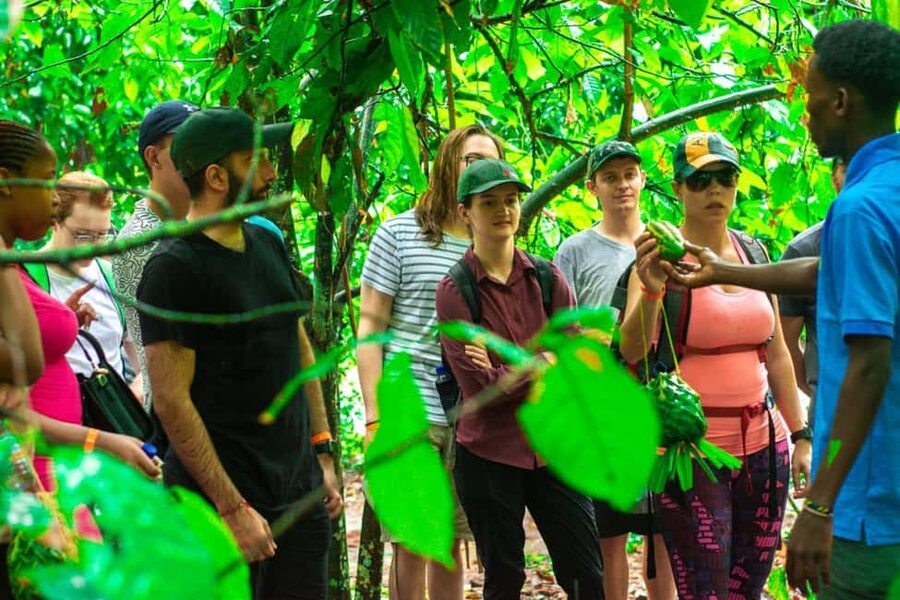
- Smell and taste spices in the places they grow, including classics like cloves, cinnamon, turmeric, nutmeg, and vanilla
- A full traditional lunch plus tropical fruit, with papaya, mango, and jackfruit
- Learn real Zanzibar uses for plants, from cooking flavors to older home remedies
- Medicinal plants get explained clearly, including neem leaves and the iodine tree
- A friendly, English-speaking guide makes it easy, with staff who help keep the vibe comfortable
- Shop for freshly harvested spices at the end, so you can bring the island flavors home
Finding Jambo Spice Farm in Dole Village and planning your 2.5-hour visit
This tour runs from Jambo Spice Farm, in Dole village, Zanzibar. The start point is in front of the entrance to the farm, and the experience ends back at the same spot. That round-trip loop is simple, which matters when Zanzibar days get busy.
Timing is about 2.5 hours with a guided pace, though the flow can feel closer to a solid 2 hours depending on how questions and tasting go. Either way, you are not committing a whole day, and you get a concentrated hit of spices, fruit, and farm learning.
The tour is led by Zanziworld Tours, and the language is English. That is a big deal for a spice farm, because the fun comes from connecting the plant names to the smells and flavors. One of the best parts for many people is that the guide makes the tour easy to follow, and some guides also know a good chunk of German terms, which can help if your group mixes languages.
A quick practical tip: this is not a museum stop where you stand in one place. You will be walking between different plants and stations, so plan to dress for heat. A light layer can help in the late afternoon, and sunglasses plus water makes the whole thing feel easier.
More spice farm visits in Zanzibar Archipelago:
- Zanzibar:Stone Town & Spice Farm Private Tour Lunch Included
★ 4.2 · 94 reviews - Zanzibar: Spice Farm Tour & Stone Town Adventure
★ 4.6 · 48 reviews - Zanzibar: Spice Farm, Stone Town & Prison Island with Lunch
★ 4.7 · 20 reviews
Cloves, cinnamon, turmeric, nutmeg, vanilla, and the spice garden walk-through
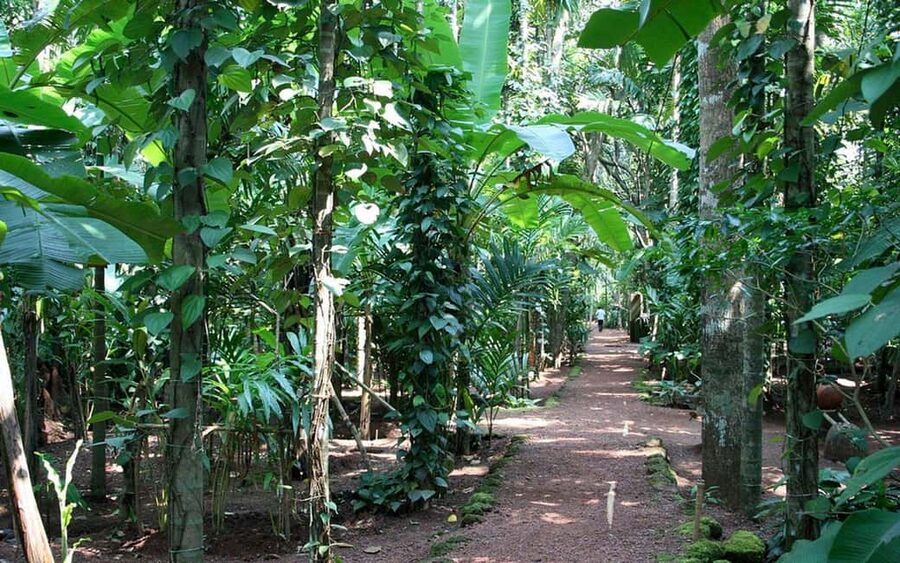
The heart of the experience is the guided walk through a small plantation where spices, herbs, and fruits grow side by side. You will hear why Zanzibar is called the Spice Island, and you will see the crops that turn that nickname into something physical.
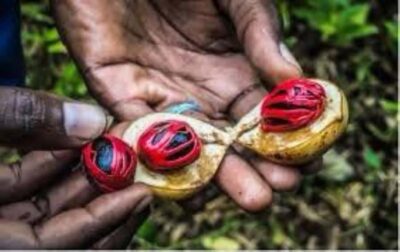
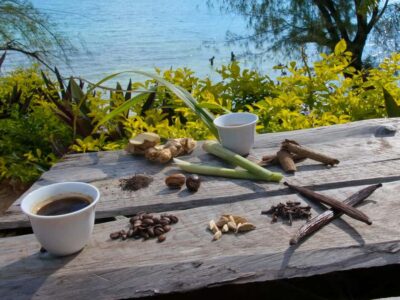
Expect to encounter many well-known spices, including cloves, cinnamon, turmeric, nutmeg, and vanilla. The guide also points out other plants such as cardamom, curry, menthol, pepper, tamarind, and ginger. Even if some names sound familiar from your kitchen cupboard, it is a totally different feeling to see the plant instead of a jar.
What makes the walk more valuable than a typical “look and take photos” tour is the way the guide connects plants to use. This is not just where a plant grows. It is what people do with it, how it flavors food, and why these crops fit life on the island. That is the part that sticks with you after you go home.
One of the most praised aspects is that it feels hands-on. You get to smell and taste more than you might expect. Pepper and lemongrass show up as examples, and you may also come across coffee beans and other unusual fruit like stink fruit, depending on what is available at the time. I like this approach because it keeps you curious and helps the guide explain without turning the whole thing into a lecture.
There is also a nice “real plantation” vibe. You are not just browsing, you are moving through an active growing space. That makes the vegetation feel beautiful and alive, not staged.
How guides explain cooking use, plus what to watch for when you taste
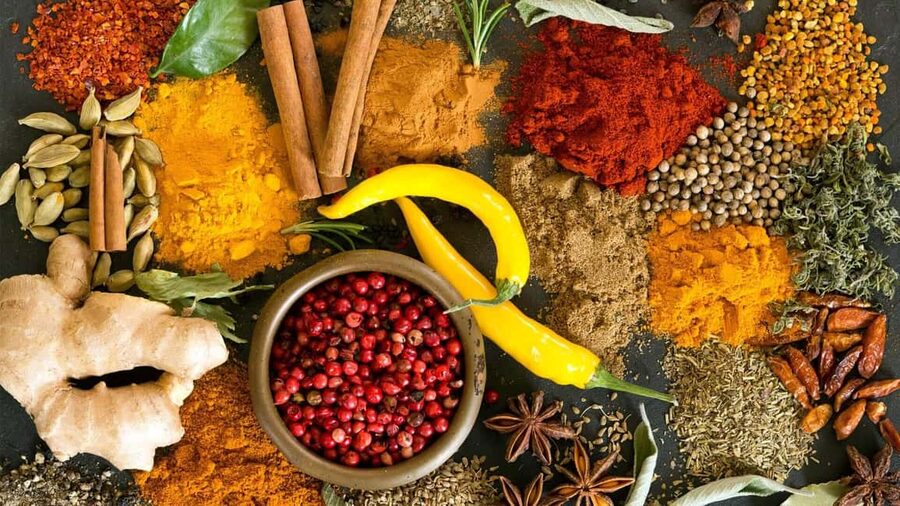
Once you start tasting, you will understand why Zanzibar spices have such a reputation. Cloves smell strong and warm. Cinnamon reads sweeter in the air. Turmeric has that earthy, almost musty edge. When you taste, you start noticing how the flavor behaves, not just how it smells.
Your guide helps you make these connections by explaining traditional culinary uses as you go. Ginger and tamarind can show up in ways that feel bright and tangy. Pepper adds heat. Vanilla reads floral and creamy. Cardamom often feels like a warm, aromatic bridge between sweet and savory.
Here is how you can make the tasting portion work for you. When you try something, ask yourself two questions:
1) What does it remind me of, in a real dish?
2) How would I use it at home, in one specific recipe?
If you do that, the whole tour becomes more than souvenirs. It becomes a mental recipe list. And that is the kind of “learning” you will actually use later.
Also, be open to small variations. Fresh plants can taste different depending on ripeness and processing. The guide helps you understand why, so you do not leave thinking you got a weird sample. You leave thinking you got the real deal.
Neem leaves for malaria and the iodine tree for wound healing
Some spice tours stay strictly in food territory. This one adds another layer, because the guide explains traditional uses of certain plants tied to older home remedies.
Two examples stand out in the tour description. Neem leaves are discussed as something traditionally used to treat malaria and indigestion. The iodine tree is noted for wound-healing properties.
I want to be careful in how you interpret this. Traditional medicinal uses are part of the local knowledge system, and the guide presents them in that context. But you should not treat any of it as a substitute for modern medical care. If you have health concerns, you still rely on professionals. Think of it as cultural insight and traditional practice, not a DIY pharmacy.
That said, learning about neem and the iodine tree makes the tour feel more connected to life on Zanzibar. It answers a bigger question than the Spice Island label. Why did these plants matter historically, and why do they still matter today?
A few more Zanzibar Archipelago trips to compare
- Zanzibar: Spice Farm Tour with Traditional Cooking Class
★ 4.6 · 16 reviews - Zanzibar: Mnemba Atoll, Spice farm, Jozani forest & Lunch
★ 3.9 · 3 reviews - Zanzibar: Prison Island, Stone Town, & Spice Farm Tour
★ 4.5 · 579 reviews - Full-Day Private Stone Town +Spice Farm and Prison Island Tour
★ 4.5 · 216 reviews
Tropical fruit tasting, from papaya and mango to jackfruit
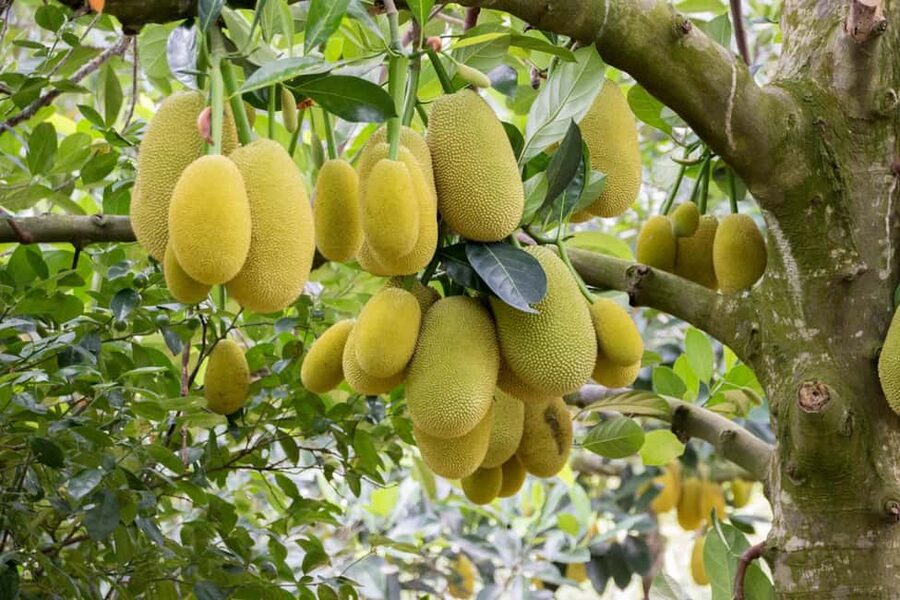
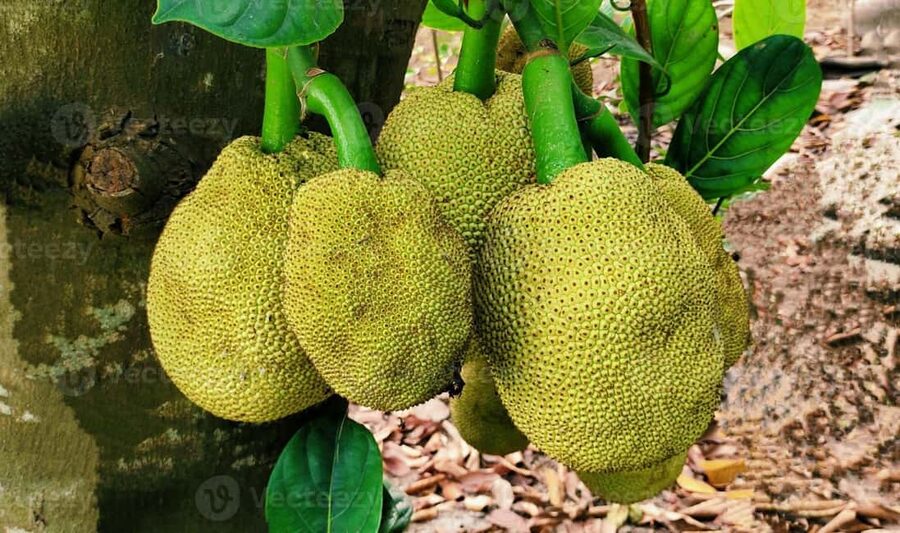
The fruit portion is not an afterthought. You get a proper tropical fruit experience during the tour, including papayas, mangoes, and jackfruit.
This is a smart pairing with the spice plants. Fruit tastes sweet and juicy, spices taste pungent and warm, and your palate wakes up in a way that makes the next plant stop easier to enjoy. You can also learn how local people think about flavor as a whole, not as isolated ingredients.
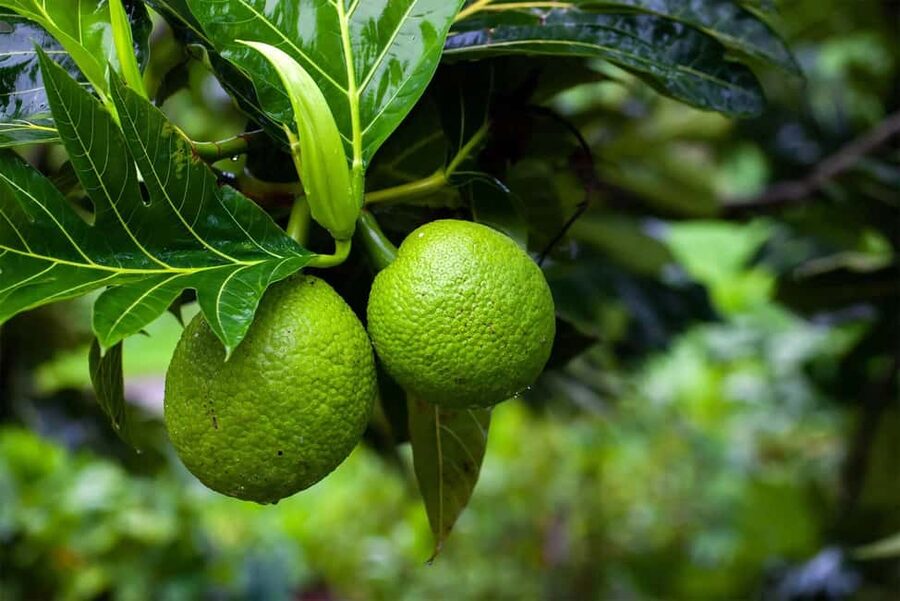
You might also encounter other fruit examples during the farm walk, like the stink fruit mentioned in one of the guides’ explanations and tastings. Again, availability can vary, but the tour concept stays the same: you are meant to taste what grows around you, not just admire the plants.
A small practical point: fruit can get messy if you are trying to take photos while eating. If you are the type who likes clean hands for every step, bring a small napkin or wipe. It is the kind of tiny thing that keeps the mood relaxed.
Lunch on the plantation, and how to turn the flavors into kitchen confidence
You get a traditional lunch as part of the tour, plus drinking water. This matters more than it sounds. Without food, spice tastings can blur together. With lunch, you anchor the day in real eating, and you have context for the spices you smelled and sampled earlier.
The best kind of lunch on a spice tour is the one that does not just feed you, it teaches you. When the flavors show up in a meal, you start to understand how spices behave in food, not just in the air.
If you want to get more out of the lunch, pay attention to what tastes warm, what tastes sharp, and what tastes sweet. Then think back to the plants you saw earlier. Cinnamon and cloves often create warmth and aroma. Ginger and pepper can add heat and bite. Turmeric can add an earthy glow.
I also like that the tour includes water. That keeps you from feeling drained or stuck waiting for a break.
The spice shop at the end, buying freshly harvested spices without regret
After the guided walk, you end with a visit to the plantation’s spice shop. This is where the tour becomes useful for your future self.
You can procure spices to take home, and the spices are described as freshly harvested. That is the selling point, because freshness changes aroma. A spice that smells strong at the farm can fade sooner once it sits in a hot bag or an overused jar.
Many people also like that purchases can include not only spices but also related items such as soaps and oils, depending on what the shop carries at the time. If you are the kind of traveler who enjoys practical gifts, this is a nice angle.
How to shop smart, without overthinking it:
- Buy what you actually tasted. If you did not like the flavor, skip it.
- Think about form. Whole spices can be more versatile, while ground spices are easier for quick cooking.
- Smell the package in the shop if that is possible. Your nose is the best quality check you have.
A guide can help explain which spice matches which flavor profile, and that advice is worth more than any generic shopping list.
Price and value: is $27 per person a fair deal
At $27 per person, this tour is positioned as an affordable, compact way to get both learning and food. For me, the value comes from two things that often cost extra on other tours: included lunch and the chance to taste and learn from the plants themselves.
You are not just paying for an entry ticket. You are paying for a guide, the farm experience, entrances and government fees, tropical fruits, drinking water, and the shop time at the end. When you add those together, the price starts to make sense as a “do it once, do it right” activity.
Also, the duration is short enough that you are not stuck committing half a day. That means you can pair it with other Zanzibar plans without feeling like you traded your whole schedule for one stop.
If you are on a tight budget, prioritize one spice experience and make it count. This is the kind of tour where your money can translate directly into home cooking, because you leave with ingredients, not just photos.
Who should book this spice farm tour, and who might not love it

I think this tour is a great fit if you want something practical and sensory. If you like food, you like plants, or you just want a friendly introduction to why Zanzibar has spice routes and spice markets, you will feel right at home.
It is also a smart choice for families, because it moves along with natural tasting moments and a lunch stop. The vibe is comfortable with helpful staff, and the guide style is often praised as friendly and supportive.
Who might hesitate? If you want a deep academic lecture, this is still a farm walk with tasting and shop time. You might prefer a more museum-like, history-heavy activity. And if you hate walking between garden stations, the plantation layout could feel like too much movement.
Still, the guide support helps. When people are friendly and the pace is manageable, even a short farm tour feels enjoyable.
Should you book Zanziworld Tours spice farm tour with lunch?
I would book it if you want a real Zanzibar flavor education in under half a day. The reasons are simple: friendly, helpful guidance, plenty of tasting and smelling, and a lunch plus tropical fruits that make the day feel complete. Add in the chance to buy freshly harvested spices at the end, and the tour becomes more than a one-time experience.
I would skip it only if you have zero interest in spices and fruit, or if you cannot handle walking through a working plantation setting.
If you do book it, go hungry, wear comfortable shoes, and ask the guide which spices match specific dishes you actually cook at home. That one move turns the tour from entertainment into something you can use for weeks.
FAQ
How long is the Zanzibar Spice Farm Tour?
The tour lasts about 2.5 hours, with guided time on the plantation plus lunch and fruit.
Where do I meet for the tour?
Meet in front of the entrance to Jambo Spice Farm, Dole village, Zanzibar.
What’s included in the price?
The tour price includes a tour guide, entrances, a traditional lunch, tropical fruits, drinking water, and all government fees.
What spices and plants will I see?
You can expect to see spice plants and herbs including cloves, cinnamon, turmeric, nutmeg, vanilla, cardamoms, curry, menthol, pepper, tamarind, and ginger.
What tropical fruits are served?
Tropical fruits served include papayas, mangoes, and jackfruit.
Can I buy spices during the tour?
Yes. The tour concludes with a visit to the plantation spice shop where you can purchase freshly harvested spices.
What language is the tour guide speaking?
The tour is conducted in English.
Can I cancel and get a refund?
Yes. You can cancel up to 24 hours in advance for a full refund.
Just posted around Zanzibar Archipelago
- Zanzibar: Sunset Dhow Cruise With Pick Up★ 5.0 · 3 reviews
- Zanzibar: Spice Farm Tour with Traditional Cooking Class★ 4.6 · 16 reviews
- Zanzibar: Private SpiceFarm, PrisonIsland And StoneTown Tour★ 5.0 · 3 reviews
- Zanzibar: Nakupenda Sandbank with Seafood BBQ & Fruits★ 3.6 · 5 reviews
- Zanzibar: Safari blue tour★ 3.7 · 5 reviews
- Zanzibar: Pungume island-dolphin watching – BBQ Lunch★ 4.5 · 19 reviews
- Zanzibar: Prison island, Sea Turtle Sanctuary + Mtende Beach★ 4.6 · 4 reviews
- Zanzibar: Spice Farm, Stone Town & Prison Island with Lunch★ 4.7 · 20 reviews
Spice Farm Tours, compared.

Stone Town, Spice Tour, Prison Island with Lunch
Read our review →
Stone Town, Spice tour & Prison Island with Lunch
Read our review →
Full-Day Private Stone Town +Spice Farm and Prison Island Tour
Read our review →

The Swahili Spice Experience – Spice Tour + Culinary Journey
Read our review →Browse the lists this tour appears in