
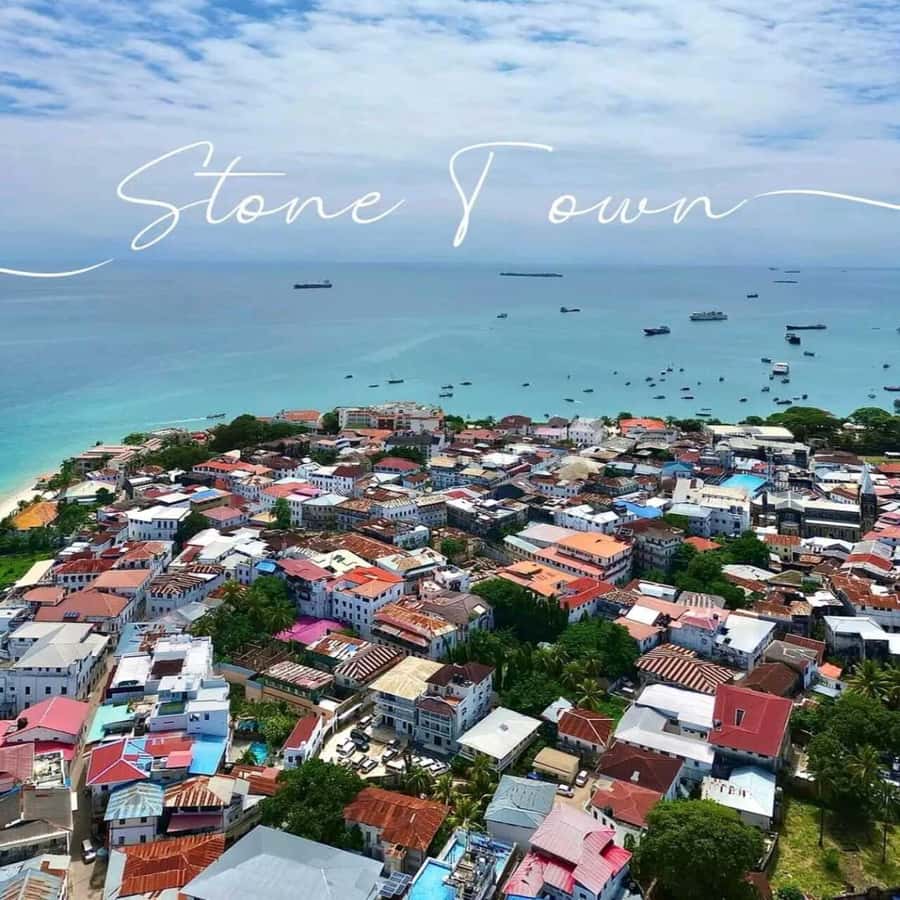
Reviewed · STONE TOWN TOURS
Stone Town Walking Tour with Female Guides
Stone Town walks like a story. This Stone Town walking tour with female guides strings together Zanzibar’s Swahili culture and Arab, Indian, European, and Portuguese influences through narrow lanes, gateways, and iconic landmarks. I love that the route starts at the former slave market (now an Anglican church), so you understand what happened here before you move on to markets, palaces, and everyday city life. I also love the mix of guided stops and room to roam, with Darajani Market and the spice stalls plus later time to browse shops at your own pace.
One consideration: a couple of major buildings can be affected by renovations. If the House of Wonders or the Old Fort are closed when you go, the tour can still work, but expect the timing and exact photo stops to adjust to what is accessible that day.
In This Review
- Key things I’d plan around
- Starting at the former slave market, then cutting through Stone Town’s main threads
- Darajani Market: spices, seafood, and what “shopping time” really means
- Walking the narrow lanes toward the Zanzibar Coffee House
- Sultan’s Palace and Forodhani Garden: power meets street-level life
- House of Wonders (Bait el-Ajab) and the Old Fort: what to do if renovations block photos
- Freddie Mercury Museum and the childhood-home photo stop
- Notre-Dame de Zanzibar and the closing cathedral walk
- Price and logistics: does $19 feel fair?
- Timing, pace, and what to bring so you enjoy the walking
- Language and guide style: how to get the most out of it
- Who this tour is best for (and who should look elsewhere)
- Should you book this Stone Town Walking Tour with Female Guides?
- FAQ
- How long is the Stone Town Walking Tour?
- Where does the tour start and where do I get dropped off?
- Is hotel pick-up and drop-off included?
- What is included in the price?
- What costs are not included?
- Do I need cash?
- What languages are the guides available in?
- What should I bring for the tour?
- Is the tour suitable for children?
- Is it refundable if my plans change?
Key things I’d plan around

- Female-led, licensed local guidance that keeps the walk human, not scripted
- Starting at the former slave market to put the whole town in context
- Darajani Market for real Zanzibar flavors and street-level seafood and spice watching
- Landmark sequence on foot that covers gates, palaces, cathedral architecture, and old forts
- Coffee and Forodhani Garden breaks that slow the pace so you actually enjoy the streets
- Freddie Mercury focus with both a museum visit and a childhood-home photo stop (or nearby alternatives if needed)
Starting at the former slave market, then cutting through Stone Town’s main threads
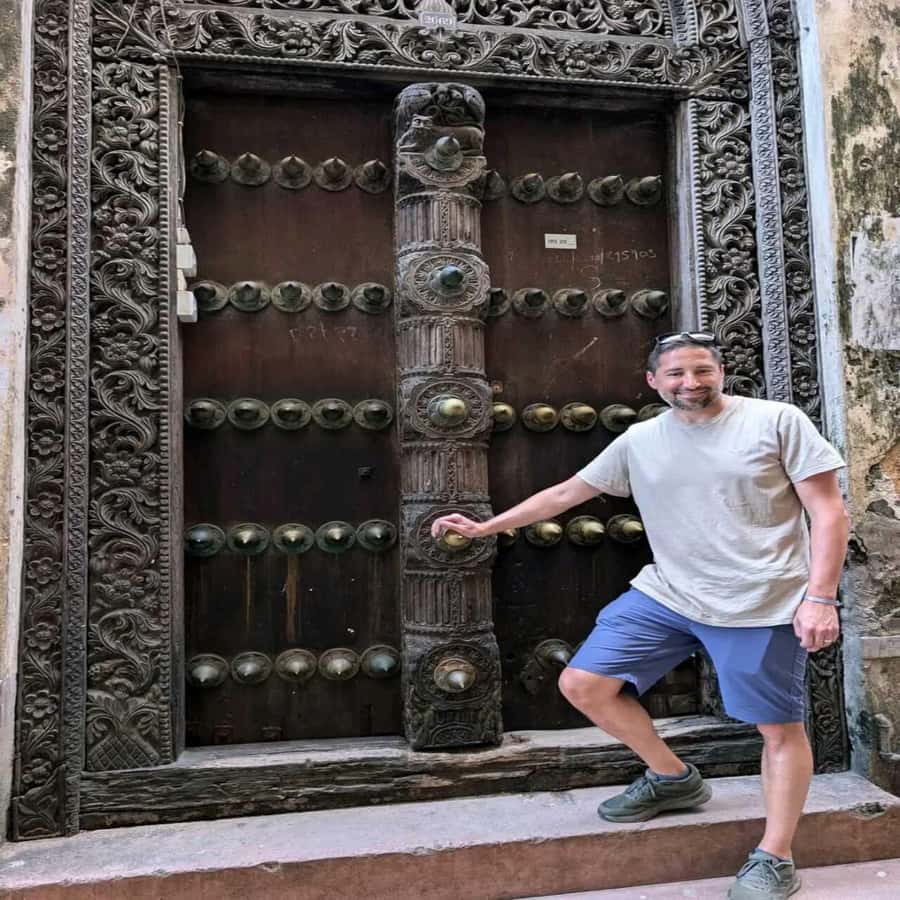
The tour’s first smart move is where it begins: the former slave market, which is now an Anglican church. Standing there gives you a baseline for Stone Town that goes beyond pretty buildings. You learn how the slave trade shaped this region, and you trace the footsteps of Dr. David Livingstone and missionaries who moved through East Africa during the 19th century. That context matters because Stone Town is not just a postcard. It is a place where architecture, wealth, and suffering all sit close together.
From there, the guide keeps you moving through the parts of the city that explain how this Swahili-Arab-European blend formed. You’ll hear how Zanzibar’s cosmopolitan culture took shape, and you’ll see it in practical details like curved Zanzibari gates, balcony styles, and the way streets funnel you into the next sight. If you like history with names and locations, this starting point is a win.
More Walking Tours in Zanzibar
- Stone Town Private Walking Tour
★ 5.0 · 371 reviews - Zanzibar: 3 Hours Private Stone Town walking Tour with Guide
★ 4.6 · 301 reviews - Zanzibar: Stone Town Historical Cultural Walking Guided Tour
★ 4.5 · 179 reviews
Darajani Market: spices, seafood, and what “shopping time” really means
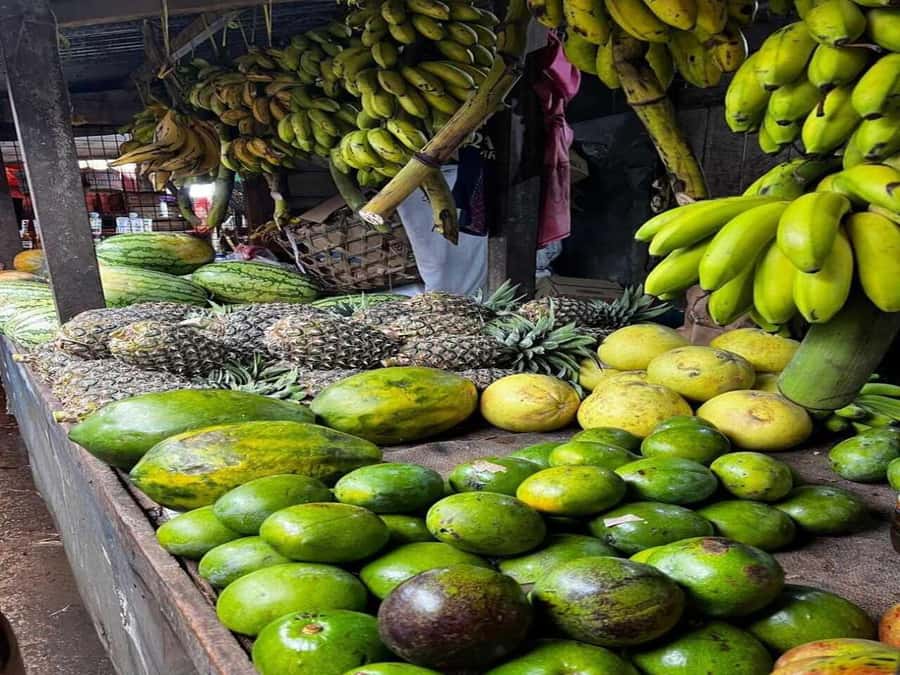
Darajani Market is where Stone Town becomes loud, colorful, and intensely sensory. You’re guided through a market of fruits, vegetables, fish, meat, and spices, with a chance to shop and sample, and to photograph the fresh catch from the Indian Ocean. Even if you do not buy anything, it is one of the best places to understand local daily life, because you see what people cook with and trade for.
Practically, think of this as both a cultural stop and a budget test. The tour includes bottled water, but market items are not included unless you choose to pay for them. Bringing some cash helps, because you may want to pick up spices, packaged blends, or small souvenirs. Also, if you are sensitive to strong smells or crowded spaces, plan to keep your stride slow and let the guide lead so you can stay oriented.
Walking the narrow lanes toward the Zanzibar Coffee House
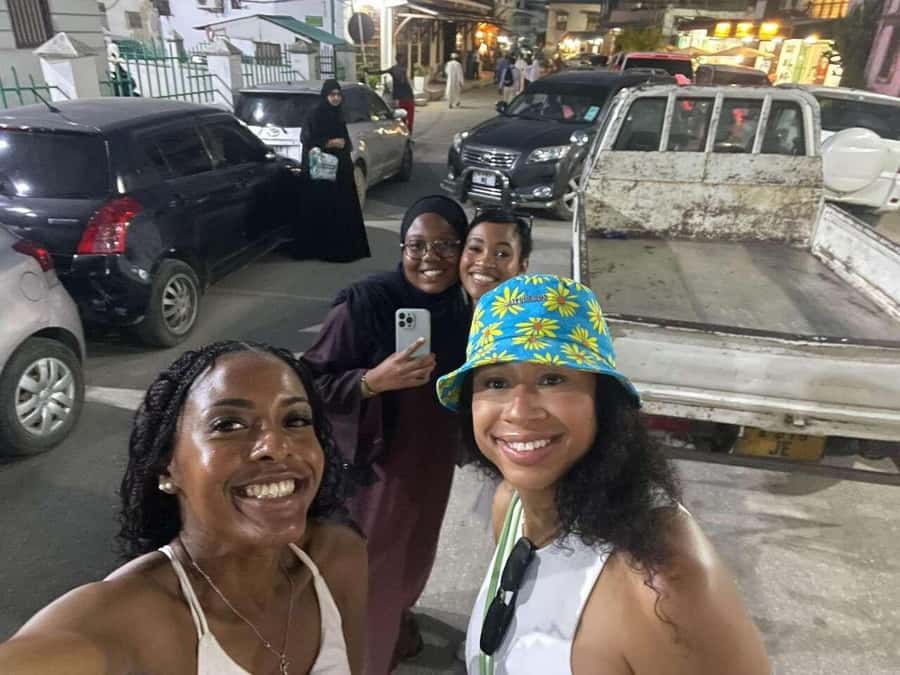
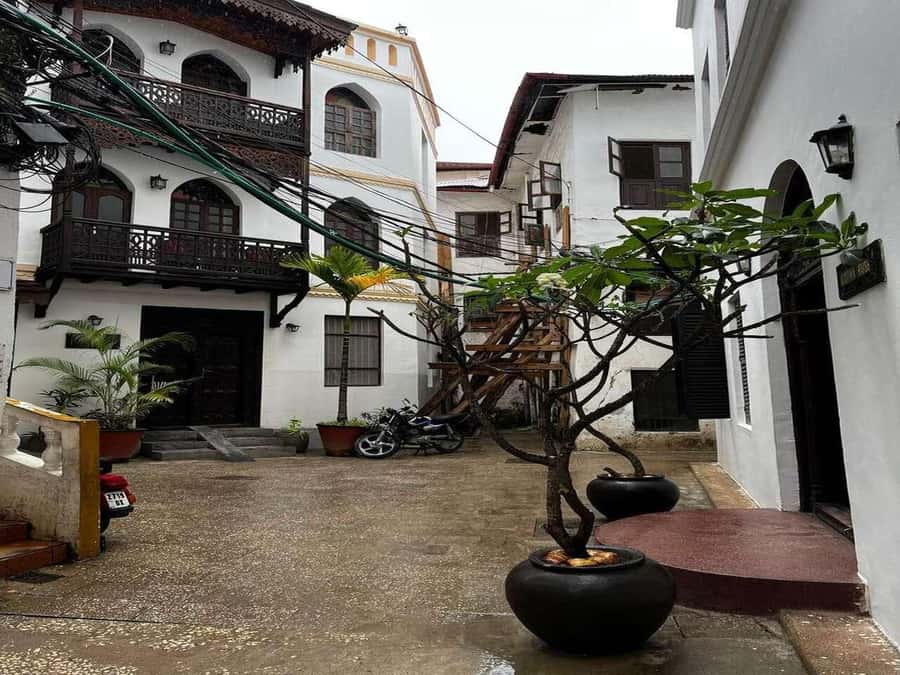
After the market energy, the route shifts into quieter rhythm: narrow alleys, Zanzibar gates, and old-stone transitions that make Stone Town feel like it is folding in on itself. This part is about atmosphere as much as it is about the next big landmark. You get the sense of why UNESCO recognized Stone Town as a World Heritage Site in 2000, because the layout and architecture still preserve the city’s historic character.
One of my favorite stops in this stretch is the Zanzibar Coffee House. It gives you a chance to reset with a cup of aromatic coffee and choose how long you stay before heading to the next site. For photos, this is also a useful break. You can take pictures without rushing, and you can look at street details you might otherwise miss, like doorways and the decorative rhythm of balconies.
Sultan’s Palace and Forodhani Garden: power meets street-level life
The Sultan’s Palace stop helps you understand Zanzibar’s political center. You explore the atmosphere inside the palace and hear the history of the Zanzibar Sultanate. Even if you are not a hardcore “palace person,” this stop works because you get the sense of where decisions were made, and how that power connected to the wider trading world across the ocean.
Then comes Forodhani Garden, a popular gathering place where locals sell seafood, sugarcane juice, barbecues, and Zanzibari pizza. This is a great counterpoint to the palace. The palace is about formal authority. Forodhani is about what people do for fun and food right now. If you want a balanced day, this pairing is the kind of stop combination that makes a walking tour feel worth it.
More Stone Town walks:
- Zanzibar: Stone Town, Spice Tour, Prison Island with Lunch
★ 4.4 · 1,219 reviews - Zanzibar: Prison Island, Stone Town, & Spice Farm Tour
★ 4.5 · 579 reviews - Zanzibar; Prison Island, Nakupenda, StoneTown Tour with BBQ
★ 4.3 · 457 reviews - Zanzibar: Stone Town, Spice tour & Prison Island with Lunch
★ 4.6 · 453 reviews
House of Wonders (Bait el-Ajab) and the Old Fort: what to do if renovations block photos
You visit the House of Wonders, also called Bait el-Ajab, described as the tallest building in East Africa. It is a key “wow” stop because it is tied to ceremonial palace history and a lot of local mystery. Even if you are not able to go inside everywhere, the exterior and the setting in Stone Town’s street network still give you a sense of the ambition behind the era.
The next part can be the one that changes the most day to day. You also plan time for the Old Arabic Fort, a structure used as a battle arena and later as an early railway station. However, based on real-world experiences, renovation closures can affect headline stops like the House of Wonders or the Old Fort. If that happens when you visit, do not assume the tour fails. You’ll still get a strong route through the rest of Stone Town’s core landmarks, plus extra walking time through the lanes and shops so you keep the overall story intact.
Freddie Mercury Museum and the childhood-home photo stop
This is one of the easiest parts to get excited about, even if you are not a die-hard Queen fan. The tour includes a visit to the Freddie Mercury Museum (entry fee is not included, and the museum cost is approximately $8 per person). You also get a photo stop at Freddie Mercury’s childhood home, which is included.
What makes this section feel meaningful is that it ties pop culture back into place. Stone Town is full of famous names and big events, but Mercury’s story shows how the island shaped him too. If you care about photos, plan to slow down here. Narrow streets plus people around means timing matters. Keep your camera ready, but do not block the path. Let the guide position you safely.
Notre-Dame de Zanzibar and the closing cathedral walk
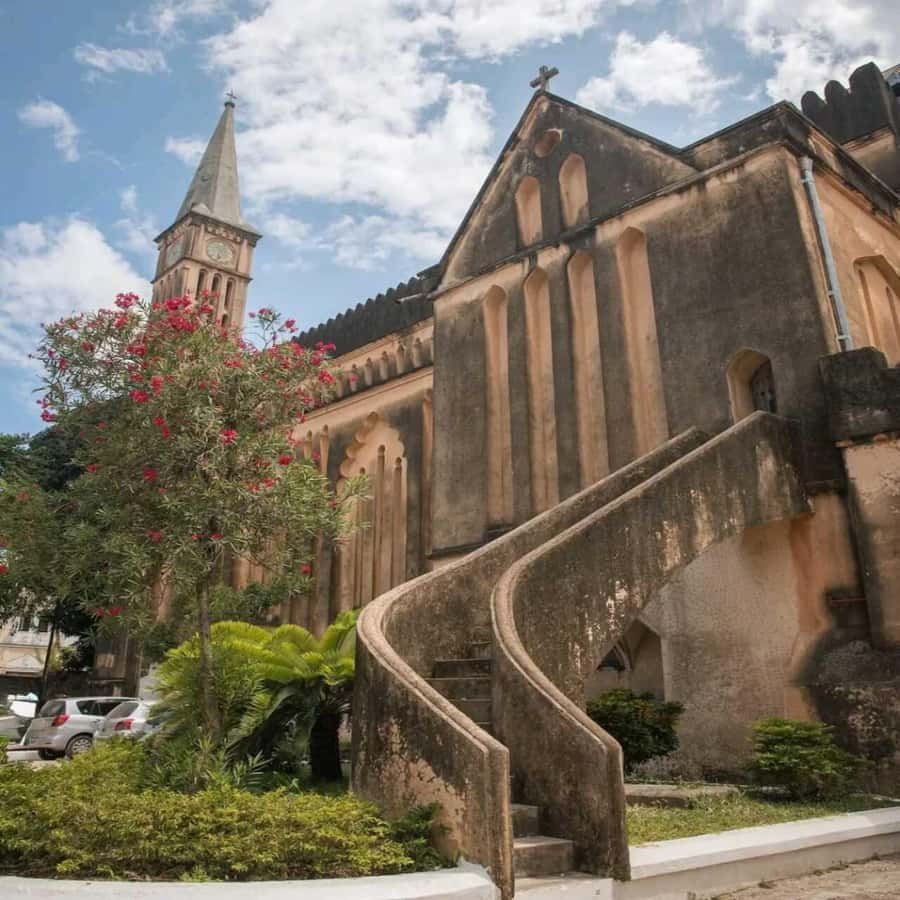
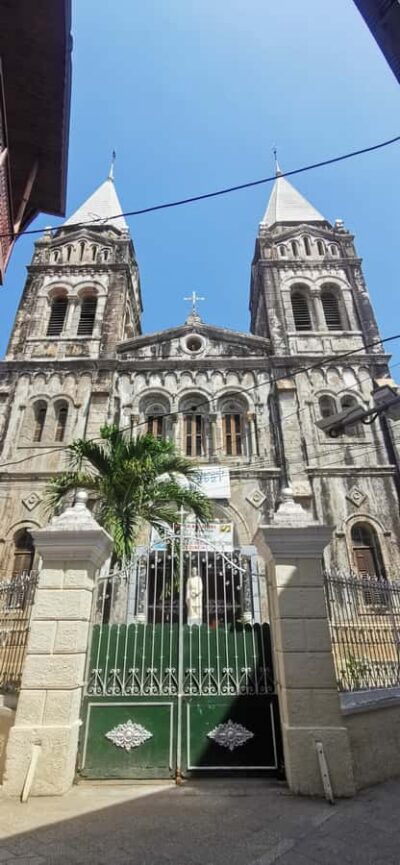
For the final stretch, you end at the French Catholic Cathedral, Notre-Dame de Zanzibar. The church is known for its sculpted style and historic role within Stone Town. It is a strong visual ending because it gives you a different angle on Zanzibar’s layered influences, adding European religious architecture to the mix of Swahili, Arab, Portuguese, and local traditions you’ve been seeing all day.
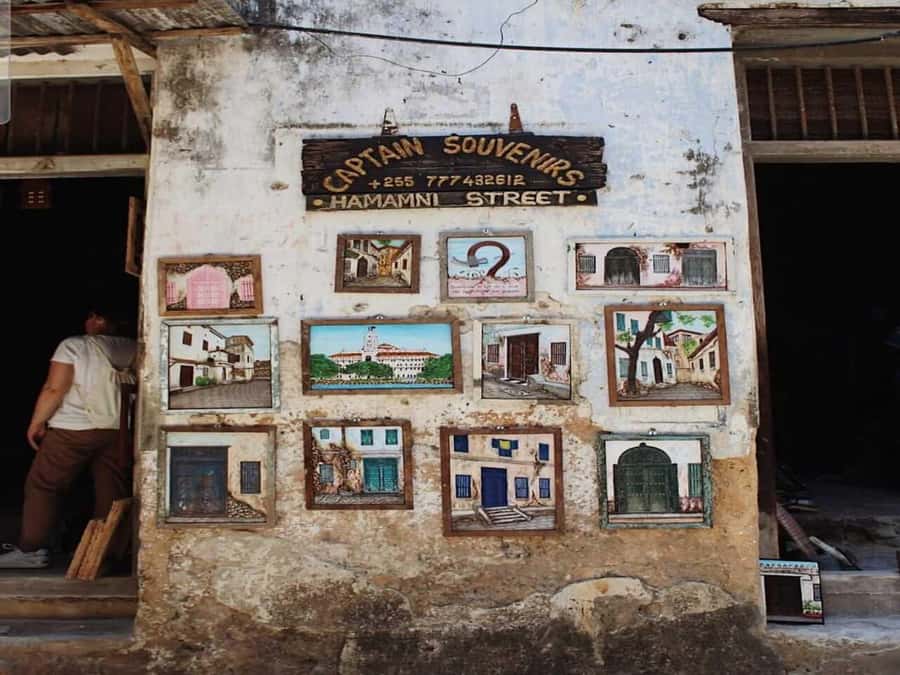
After that, you continue with a stroll through narrow streets to see Zanzibar Gates and browse souvenir shops and boutiques. This is where you use the second half of your mental energy. Earlier stops teach you the story. This portion lets you buy small pieces of it, like Zanzibar-themed crafts and spice-related gifts, and it also lets you take photos at your own pace.
Price and logistics: does $19 feel fair?
At $19 per person for a 3-hour experience, the value is mostly in the guide and the routing. The tour includes guiding service, bottled water, and convenient hotel pick-up and drop-off in Stone Town, plus a photo stop at the Freddie Mercury childhood home. You also get an expert licensed local guide who shares stories in multiple languages, with French, English, German, Italian, and Swahili listed.
The main thing to budget for is entrances that are not included. The former East Africa slave market entry is listed as $10 per person, and the Freddie Mercury Museum is approximately $8 per person. If you add those, you should expect to pay more than $19 total, but not in a shocking way. What you are buying is time and context: an itinerary that takes you from the slave trade site, through major markets and key cultural landmarks, and ends with cathedral architecture and shopping lanes. That makes the price feel more like “guided access plus interpretation” than a simple walking loop.
Timing, pace, and what to bring so you enjoy the walking
Even though it is listed as 3 hours, the tour typically lasts about 2 hours and 45 minutes. It is a walking tour, so your comfort will make or break your day. Wear comfortable shoes with good grip. Stone Town streets can be uneven and narrow, and you will be stopping often.
Bring a camera because you will want pictures at gates, courtyards, markets, and the Freddie Mercury childhood home. Bring cash because market shopping and entrances are not included. Bottled water is provided during the tour, which is a big plus in warm weather, but it does not hurt to plan for yourself too if you run hot.
Also, there is pickup inside Stone Town. You wait at reception, and your driver meets you there. If you are staying in a hotel with a busy lobby, double-check the exact pickup spot so you do not lose time.
Language and guide style: how to get the most out of it
The tour operates with a live guide in French, English, German, Italian, and Swahili, and the experience provider lists a francophone local guide profile. In one recent experience, the guide Damtu was praised as extremely knowledgeable and friendly. In another, the guide was personable, but their English needed a bit of improvement. That tells me the biggest variable here is just how smoothly your guide can communicate in your chosen language.
My practical advice: if you care about the storytelling, pick a guide language you can understand comfortably. If you speak English, but your guide’s English is still developing, you can still get a lot from pointing, asking short questions, and letting the guide show you the places first. You will likely come away with names and locations even if the pace of the spoken explanations varies.
Who this tour is best for (and who should look elsewhere)
This tour is a strong fit for you if you want a single morning or early afternoon-style walking plan that hits major Stone Town themes in one loop. It works especially well if you care about how history shaped everyday life, because it starts at the former slave market, then flows into markets, palaces, gardens, and churches.
It may not be ideal if you want a slow, museum-heavy day. The route is built around walking and multiple stops, with specific time inside places depending on opening hours. If you are travel-weary, consider whether you can handle a full 2 hours and 45 minutes of moving through narrow streets.
It is also listed as not suitable for people with altitude sickness. Zanzibar is not high altitude, but if you have that condition, follow your health guidance and treat this as a hard constraint rather than a suggestion.
Should you book this Stone Town Walking Tour with Female Guides?
Book it if you want value that is more about guidance and context than just seeing buildings from outside. The former slave market start, the UNESCO World Heritage setting, and the blend of markets plus landmark architecture create a day that makes Stone Town feel like a place with logic, not just a list of sights. Add in the included coffee stop and the Freddie Mercury photo moment, and it is easy to see why it lands well for people who want both culture and fun.
Skip or reconsider if renovations are likely to block the House of Wonders or the Old Fort for your travel dates, or if you prefer standalone, ticket-based museum time over a walking circuit. Also reconsider if you hate market crowds or you struggle with lots of foot traffic. If you go in with comfortable shoes, cash for entrances, and a plan to shop lightly, you should find this one hits the sweet spot for a first visit to Stone Town.
FAQ
How long is the Stone Town Walking Tour?
It runs for about 3 hours. The tour lasts approximately 2 hours and 45 minutes.
Where does the tour start and where do I get dropped off?
You are picked up in Stone Town and the return is also to Stone Town, either back to your pick-up location or to your hotel.
Is hotel pick-up and drop-off included?
Yes. Convenient hotel pick-up and drop-off in Stone Town are included.
What is included in the price?
Included items are the guiding service, bottled water during the tour, hotel pick-up and drop-off, a licensed local guide, and a photo stop at Freddie Mercury’s childhood home.
What costs are not included?
Entry/admission tickets are not included for the former East Africa slave market (listed at $10 per person) and the Freddie Mercury Museum (approx. $8 per person).
Do I need cash?
Yes, bring cash. Shopping at markets and paying for entry tickets may require it.
What languages are the guides available in?
The guide can work in French, English, German, Italian, and Swahili.
What should I bring for the tour?
Bring comfortable shoes, a camera, and cash.
Is the tour suitable for children?
Children age 0 to 4 can join for free. Children age 6 to 12 have a reduced price.
Is it refundable if my plans change?
The experience offers free cancellation up to 24 hours in advance for a full refund, and there is also a reserve now and pay later option.
Just posted around Zanzibar
- Stonetown Private Half-day Walking Tour★ 5.0 · 21 reviews
- Full Day Safari to Mikumi National Park from Zanzibar with Lunch★ 4.5 · 3 reviews
- Dolphin Watching Tour & Josani Forest Sea Trip – Zanzibar★ 4.5 · 3 reviews
- Cultural Walking Tour through Stonetown, a UNESCO World Heritage Site★ 4.5 · 14 reviews
- Come and taste the Zanzibar feelings★ 5.0 · 12 reviews
- Cooking Class Tour★ 5.0 · 9 reviews
- Private Catamaran – Stone Town Islands & Sandbanks (5 hrs)★ 5.0 · 10 reviews
- Cave Tour & Rock Restaurant Visit★ 3.5 · 5 reviews
Stone Town Tours, compared.
Stone Town, Spice Tour, Prison Island with Lunch
Read our review →

Prison Island, Nakupenda, StoneTown Tour with BBQ
Read our review →Stone Town, Spice tour & Prison Island with Lunch
Read our review →
3 Hours Private Stone Town walking Tour with Guide
Read our review →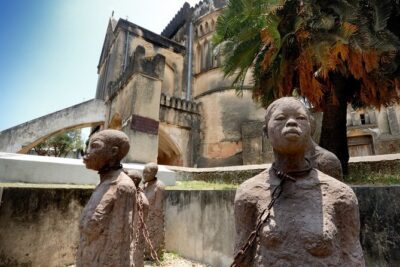
Full-Day Private Stone Town +Spice Farm and Prison Island Tour
Read our review →
Stone Town Historical Cultural Walking Guided Tour
Read our review →Browse the lists this tour appears in