
Reviewed · SPICE FARM TOURS
Spice Farm – spice up your life in Zanzibar
Spices in Zanzibar smell better than they sound. This popular Spice Farm outing takes you out of town into the rural spice-growing areas and lets you connect the scents on the trees to the spices on your plate.
I particularly love the guided aroma experience, where the tour is built around smelling and learning, not just looking.
I also love how the day mixes spice culture with a traditional farm lunch, including Zanzibar fruits you might not expect in a tour setting.
One possible drawback: the whole flow depends on hotel pickup, and once in a rare while an organizer mix-up can wreck the start of your day, so confirm your timing details before you’re waiting outside.
In This Review
- Key Highlights You’ll Remember
- Why Zanzibar’s Spice Farms Still Matter
- Hotel Pickup, Then Out to the Plantations
- The Aroma Walk: Spices You Can Actually Identify
- How the Tour Turns Spice Knowledge Into Daily Life
- Fruit Tastings: Mangoes, Passion Fruit, and Friends
- Lunch at the Farm Kitchen: Spiced, Local, and Filling
- Buying Spices as Gifts Without Making It Stressful
- Value and Price: Is $60 a Fair Deal?
- Who Should Book This Spice Farm Tour
- Quick Check on Organization and What to Watch For
- Should You Book Spice Farm in Zanzibar?
- FAQ
- What’s included in the Spice Farm tour price?
- Does the tour include lunch?
- Which spices and herbs will I be able to see and taste?
- What fruits are included for tasting?
- What languages are available for the tour?
- Can I reserve now and pay later?
- Is there a cancellation option?
Key Highlights You’ll Remember
- Smell-first spice education with a friendly guide pointing out dozens of plants and spices
- Fresh fruit tastings alongside spice explanations, not as an afterthought
- Spice trade context in plain language, including how spices moved in the 16th century
- A traditional lunch cooked on site, spiced with local herbs
- Buy spices as gifts right from the farm, so your shopping has a story attached
- Solid organization overall, with many people praising smooth hotel pickup and return
Why Zanzibar’s Spice Farms Still Matter
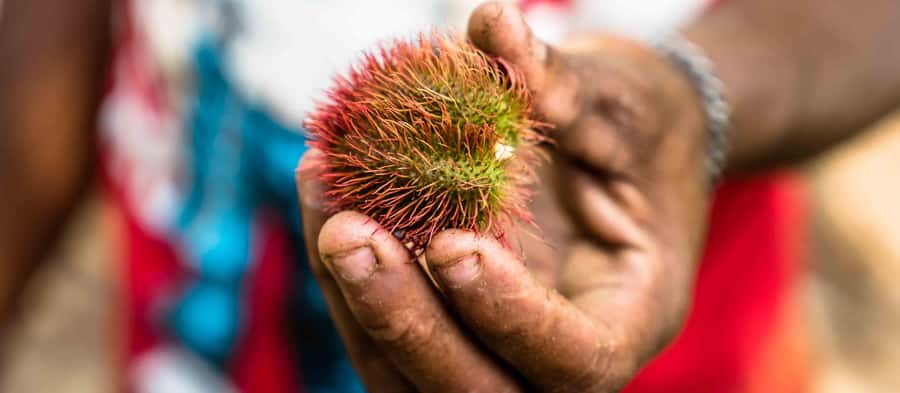
Zanzibar grew famous as a spice powerhouse long before “experience tourism” was even a thing. This tour helps you understand why. You’re not just walking through pretty plants, you’re watching how centuries of trade shaped local farming, cooking, and everyday life.
In the 16th century, spices traveled widely, brought from Asia and Latin America, and Zanzibar’s climate helped many of them thrive. On the ground, that history becomes practical. You’ll see spice trees and herbs where farmers grow them, and you’ll hear how they’re used in daily cooking and even in traditional medicinal practices.
That context is what makes the tour feel more grounded than a typical “look and photo” stop. It turns the word spice from a vague idea into something real, something you can smell, taste, and relate to food habits back home.
More spice farm visits in Kendwa:
- Zanzibar: Stone Town, Spice Tour, Prison Island with Lunch
★ 4.4 · 1,219 reviews - Zanzibar: Prison Island, Stone Town, & Spice Farm Tour
★ 4.5 · 579 reviews - Zanzibar: Stone Town, Spice tour & Prison Island with Lunch
★ 4.6 · 453 reviews
Hotel Pickup, Then Out to the Plantations
Most days start with pick-up and drop-off from your hotel, which is a big deal in Zanzibar. You save time and hassle, and you also avoid the awkward part of figuring out rural routes while your day is already moving.
What I like about the way this tour is set up is that it treats the ride as part of the experience. You’ll be heading into Unguja’s South Region, where the spice-growing areas are more rural than near the coast. Even if you’re only there for a short trip, this is one of the easier ways to get off the main tourist track.
Practical tip: plan for a warm day, and expect you’ll be standing and walking through farm areas. Wear breathable clothing and shoes that won’t mind uneven ground. You’ll likely want a light layer for shade breaks, because the day includes both sun and pauses around tastings.
The Aroma Walk: Spices You Can Actually Identify

This is where the tour earns its popularity. The day meanders through villages and plantations, and your guide points out plants so you can connect names to smells. Instead of just hearing a list, you experience it.
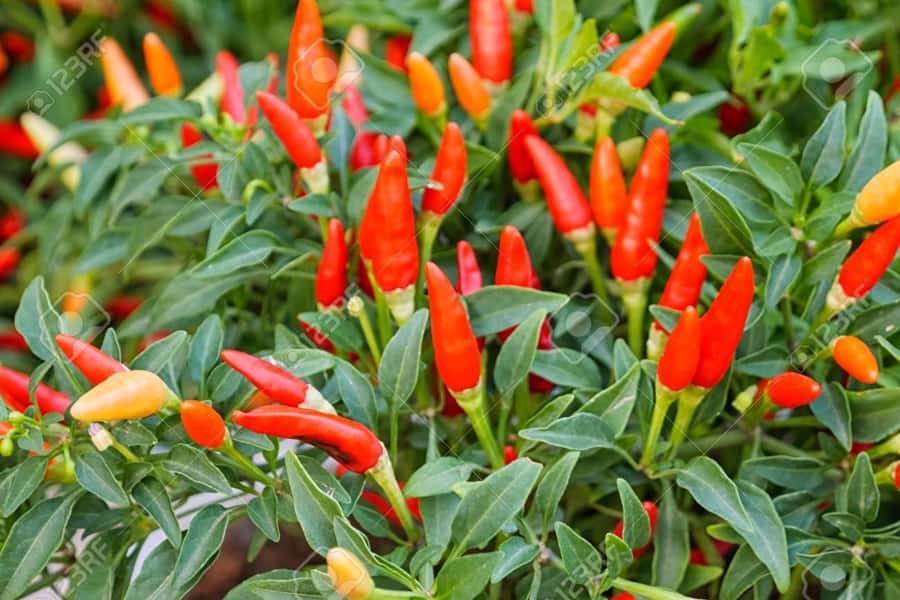
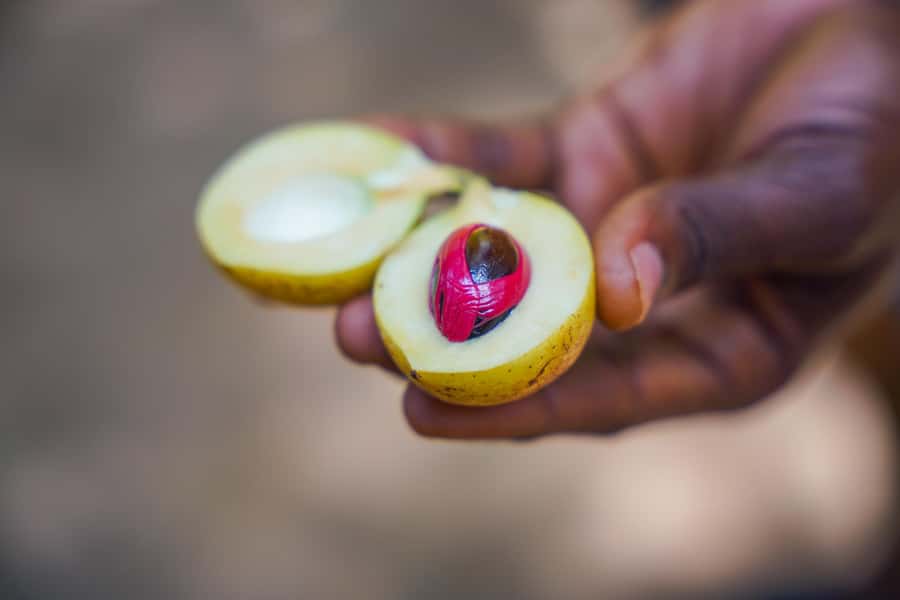
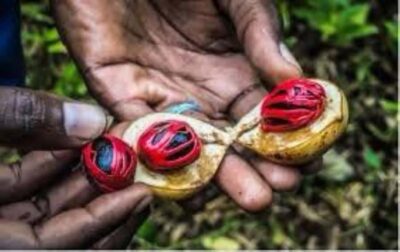
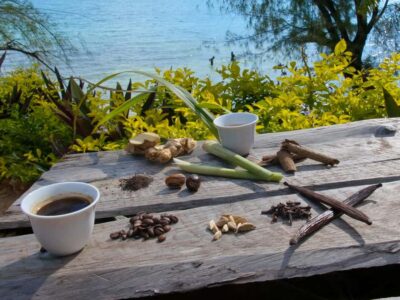
You’ll get hands-on exposure to a range of spices and herbs, including cinnamon, vanilla, nutmeg, cloves, lemon grass, ylang-ylang, cumin, ginger, pepper, tamarind, and chili. That’s a wide sample, and the point is not memorizing everything. The point is learning how different spices show up in Zanzibar cuisine and why locals value them.
Two things stand out in how this tour is delivered.
First, it’s built around aroma recognition. If you love food, you’ll start noticing which scents mean sweet, which lean warm, and which feel sharp or cooling.
Second, the guide’s explanations come with personality. Some reviews highlight guides who can be both informed and funny, which helps when you’re standing in the heat and listening for long stretches.
What to consider: you are tasting and smelling multiple things in one day. If you’re sensitive to strong scents, take your time during the tastings, and don’t feel pressured to rush. There’s no prize for speed.
How the Tour Turns Spice Knowledge Into Daily Life
One of my favorite parts of this style of tour is the way it links farming to everyday use. You don’t just learn the name of a plant. You hear about culinary and medicinal uses, including how communities have historically valued certain herbs.
That blend matters because spice production is not only about flavor. Spices have been part of home remedies, seasonal needs, and practical household knowledge. When your guide explains how locals think about these plants, the tour feels more like cultural learning than a showroom visit.
You’ll also notice the tour’s focus on variety. Zanzibar isn’t a single-crop island. It’s a mix of spice trees, herbs, and fruit plants that grow in the tropical climate. That’s why your route includes both spice areas and fruit areas instead of one narrow lane of plants.
A few more Kendwa trips to compare
- Full-Day Private Stone Town +Spice Farm and Prison Island Tour
★ 4.5 · 216 reviews - Zanzibar: Stone Town & Spice Farm Tour with Lunch
★ 4.5 · 97 reviews - Zanzibar:Stone Town & Spice Farm Private Tour Lunch Included
★ 4.2 · 94 reviews - Zanzibar full day Jozani forest + Spice farm and stone town
★ 4.7 · 90 reviews
Fruit Tastings: Mangoes, Passion Fruit, and Friends
Spice tours can feel one-note. This one avoids that problem with fruit tastings that sit naturally alongside the plant lessons.
You’ll have the chance to taste freshly picked tropical fruits such as mangoes, passion fruits, avocado, papaya, local grapefruits, bananas, and pineapples, plus more depending on what’s in season. The fruit tastings add contrast, and they also teach you something useful: many Zanzibar flavors show up in the same dishes or in the same household routine.
Also, fruit makes a nice pause from the strong scents of cloves, ginger, or chili. It’s easier to compare flavors when your palate has a reset.
Practical tip: pace yourself. If you sample everything quickly, lunch will feel heavy. Take small tastes, sip water when you can, and save your appetite for the farm kitchen meal.
Lunch at the Farm Kitchen: Spiced, Local, and Filling
Lunch is included, and it’s not a sad sandwich moment. You’ll enjoy a traditional Zanzibar meal cooked in a local kitchen, with local herbs and spices. Reviews specifically mention it as delicious and even described as a superb Swahili meal, which tells me it’s meant to be the real highlight, not just a checkbox.
On this kind of tour, lunch usually does two jobs.
First, it reinforces the spice lesson you just heard. When you taste ginger, pepper, tamarind, or other herbs in food form, the earlier aroma explanations suddenly make sense.
Second, it gives you a cultural reset. You stop moving, you sit down, and you eat in the rhythm of the farm day.
What I recommend: eat like you’re testing your memory. If you can, try to connect what you’re tasting to what you smelled earlier. It turns lunch into part of the learning, not just a break.
Included with lunch is bottle water, which is a small but smart detail. Zanzibar heat can catch you off guard, so having water handled for you helps.
Buying Spices as Gifts Without Making It Stressful
One of the tour’s best practical touches is that it allows time to buy spices as gifts. That’s appealing because you’re not just shopping. You’re shopping with a story, and you can ask what’s best for cooking back home.
A quick reality check: the price you pay for the tour covers the experience, not the goods you choose to take away. If buying spices is part of your plan, budget a little extra.
How to shop smart:
- Smell before you buy. If it doesn’t smell right to you, don’t force it.
- Think about how you cook at home. Whole spices often travel and last well, while pre-ground can be easier but may lose scent faster.
- Ask your guide what each spice is best in. You’ll get better results than guessing.
The best part is that the farm purchase feels connected to what you learned that day. It’s the kind of souvenir you’ll actually use.
Value and Price: Is $60 a Fair Deal?
At $60 per person, this tour sits in the “worth it if you care about food” category. It’s not cheap, but you’re not just paying for entry. You’re paying for:
- hotel pick-up and drop-off
- a farm-kitchen lunch
- water
- taxes, fuel surcharges, and service fees included
- guided plant and taste instruction across multiple spices and fruits
If you’re the kind of traveler who loves to understand where ingredients come from, the price is easier to justify. The tour saves you the trouble of arranging a rural day on your own, and it turns a long drive into learning time with tastings.
If you’re mainly interested in beaches and quick photo stops, this might feel like more “education” than you want. But for most people who like Zanzibar cuisine or cooking at home, it lands as good value.
Who Should Book This Spice Farm Tour
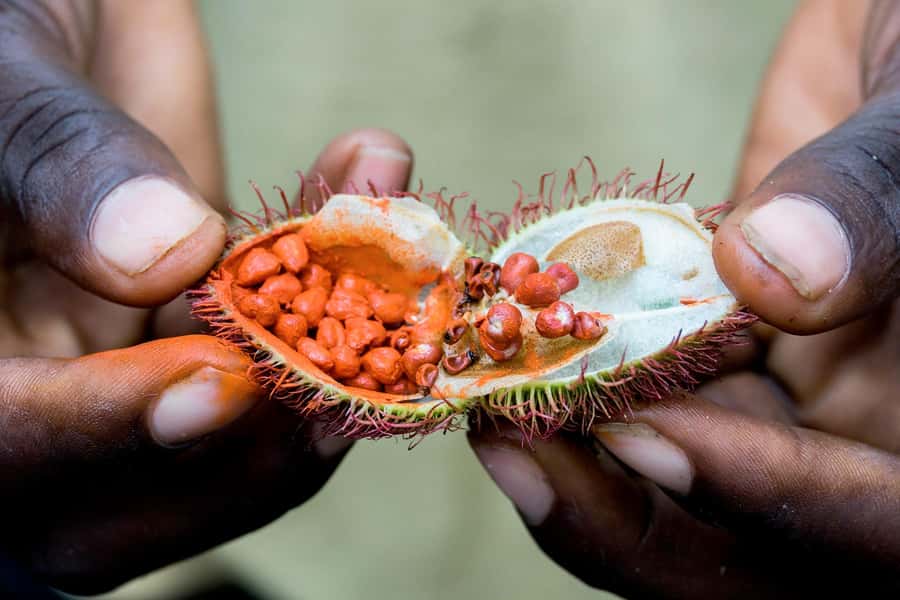
This works especially well for you if:
- you want a rural Zanzibar experience without heavy planning
- you care about food, herbs, and how spices are used
- you enjoy guided learning with tastings
- you like souvenirs that connect to the day you had
It might not be for you if:
- you hate strong smells and prefer low-intensity activities
- you want a purely scenic outing with minimal walking and talking
- you’re very time-sensitive and can’t handle the rare risk of a pickup hiccup
Also, language options are a plus. The tour is available in English, Italian, German, French, and Russian, so you’re likely to find a comfortable fit for your group.
The operator is AMAYA TOURS COMPANY LIMITED, and the overall tone from the feedback is positive about organization, guide effort, and food quality.
Quick Check on Organization and What to Watch For
The majority of reviews rate this experience highly and praise smooth hotel pickup and return, plus helpful spice explanations. There’s also a clear pattern that the guides put effort into making the day fun, not stiff.
That said, there is at least one serious complaint about a promoter not showing up and not responding. That’s rare based on the overall rating pattern, but it’s still a reason to act smart as a traveler.
Before your day starts, confirm your exact pickup details so you’re not standing at your hotel wondering what happened.
Should You Book Spice Farm in Zanzibar?
I’d book it if you want a day that connects Zanzibar’s spice reputation to real plants, real smells, and real food. The combination of spice aroma learning, fresh fruit tastings, and a proper traditional lunch makes it feel complete for about $60.
Skip it only if your idea of a Zanzibar trip is mostly beaches and you don’t care about ingredients. This tour is built for people who enjoy food culture, and it’s strongest when you lean into the tasting and the explanations.
FAQ
What’s included in the Spice Farm tour price?
The price includes pick-up and drop-off from your hotel, a local lunch at the farm, all taxes and fuel surcharges, service fees, and bottle water.
Does the tour include lunch?
Yes. You’ll have lunch at the farm, featuring traditional Zanzibar cuisine spiced with local herbs.
Which spices and herbs will I be able to see and taste?
You’ll be guided through plants including cinnamon, vanilla, nutmeg, cloves, lemon grass, ylang-ylang, cumin, ginger, pepper, tamarind, chili, and more.
What fruits are included for tasting?
You can taste freshly picked tropical fruits such as mangoes, passion fruits, avocado, papaya, local grapefruits, bananas, and pineapples, plus others.
What languages are available for the tour?
The tour is available in English, Italian, German, French, and Russian.
Can I reserve now and pay later?
Yes. The tour offers reserve and pay later, so you can book your spot and pay nothing today.
Is there a cancellation option?
Yes. You can cancel up to 24 hours in advance for a full refund.
Just posted around Kendwa
- sunset dow cruise at kendwa beach★ 4.7 · 3 reviews
- Stone Town, Jozani Forest, Sea Turtles & The Rock Restaurant★ 4.8 · 14 reviews
- Nungwi: Mnemba Atoll Dolphins Tour with Snacks | Half-day★ 4.0 · 7 reviews
- Nungwi and Kendwa: Sunset Cruise Dhow★ 3.7 · 3 reviews
- Jet Ski Adventure Zanzibar :Fun at Kendwa/Nungwi Beach★ 4.6 · 11 reviews
- From Kendwa/Nungwi: Mnemba Dolphins with Snorkel Tour★ 5.0 · 6 reviews
- FROM KENDWA; Mnemba snorkelling and Dolphin tour★ 4.6 · 4 reviews
- Zanzibar: Sunset Dhow Cruise★ 4.2 · 15 reviews
Spice Farm Tours, compared.

Stone Town, Spice Tour, Prison Island with Lunch
Read our review →
Stone Town, Spice tour & Prison Island with Lunch
Read our review →
Full-Day Private Stone Town +Spice Farm and Prison Island Tour
Read our review →

The Swahili Spice Experience – Spice Tour + Culinary Journey
Read our review →Browse the lists this tour appears in