

Reviewed · SPICE FARM TOURS
Private Spice Tour in Zanzibar with Pick Up
Spices with stories, and your senses do the work. This private Zanzibar tour pairs pickup and a walking visit to Jambo Spice Farm, where you smell and taste spices like vanilla, cinnamon, cardamom, nutmeg, and black pepper while learning how locals use them. I especially liked the interactive guessing game with leaves, fruits, and twigs, and you’ll get a surprising mix of rare cosmetic plants like henna, perfume, and lipstick trees. One catch to consider: this is a working garden, not a neat museum layout of spice rows, so expect lots of mixing plants rather than a straight line of one spice at a time.
You also get a small, personal feel since it’s private, and the guides can bring the lesson with humor and energy. In the best version of the tour, your guide might be someone like Ibrahim Latutu, Abdi, or Seif, and you can also meet a friendly driver such as Hussein if pickup is arranged smoothly. If you want a very structured, lecture-only experience, this may feel more like playful farm time than a classroom.
In This Review
- Key moments you will remember
- Zanzibar pickup and the easy rhythm of a 2 to 3 hour tour
- Jambo Spice Farm in Kizimbani or Kidichi, what the walk really feels like
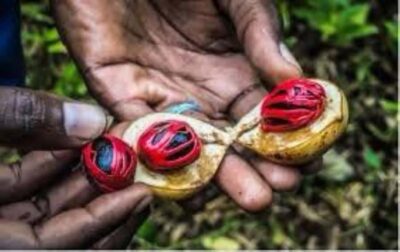
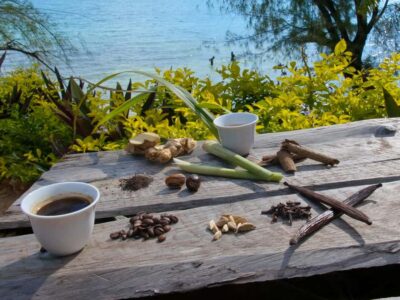
- Your hands-on spice lessons: vanilla, cinnamon, cardamom, nutmeg, pepper
- Fruits and the snack strategy, from rose apple to guava
- Henna, perfume tree, and lipstick tree, plants with a cosmetics story
- Guides and drivers: why Ibrahim Latutu, Abdi, Seif, and Hussein come up
- Price and value: what $81 covers, and what you still need to plan for
- Who this spice tour suits best, and who might want something else
- Small caveats before you go, so the morning stays enjoyable
- Should you book this private spice tour with pickup?
- FAQ
- How long is the private spice tour in Zanzibar?
- What time does the tour start?
- Is pickup included?
- Where does the tour take place?
- What is included in the price?
- Is the tour private?
- Can I cancel for a full refund?
Key moments you will remember
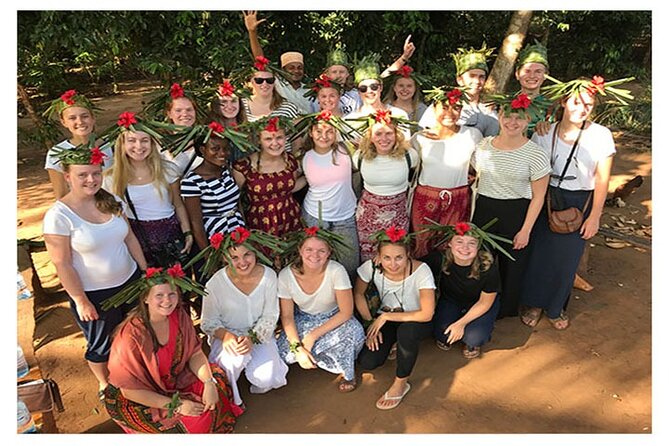
- Hands-on spice guessing as the guide has you smell or taste leaves, fruits, and twigs to identify what you’re learning
- A real garden feel at Jambo Spice Farm in Kizimbani or Kidichi, with spices, fruits, and vegetables growing together
- Cosmetic trees you probably never heard of including henna, perfume tree, and lipstick tree
- Fruit sampling beyond the usual with rose apple and guava as clear highlights
- A guide who keeps it moving with entertaining storytelling, plus clear explanations and a friendly pace
Zanzibar pickup and the easy rhythm of a 2 to 3 hour tour
This is designed to be simple. You start at 9:30 am, and pickup is offered, with transport fees included. That matters in Zanzibar, where you don’t always want to spend your morning figuring out routes, negotiating, and trying to time everything yourself.
The tour runs about 2 to 3 hours, which is a sweet spot if you’re doing other city plans that day. It’s long enough to actually learn, taste, and walk the farm paths, but short enough that you won’t feel trapped if the weather turns or you just want to get back to your hotel while the day is still young.
Because it’s private, it’s also easier to ask questions. If you’re curious about which spices go into your cooking at home, or how people use certain plants for everyday needs, this format gives you room to go there without feeling rushed.
More spice farm visits in Zanzibar City:
- Zanzibar: Stone Town, Spice Tour, Prison Island with Lunch
★ 4.4 · 1,219 reviews - Zanzibar: Prison Island, Stone Town, & Spice Farm Tour
★ 4.5 · 579 reviews - Zanzibar: Stone Town, Spice tour & Prison Island with Lunch
★ 4.6 · 453 reviews
Jambo Spice Farm in Kizimbani or Kidichi, what the walk really feels like
Your main stop is the spice farm visit at Jambo Spice Farm, in the Kizimbani or Kidichi area. What surprised me is how quickly the experience becomes sensory instead of scenic. The gardens have many botanical species growing side by side, so you’re not just looking at labels. You’re moving along paths, getting pointed to specific bushes and trees, and learning what each one smells like and how people use it.
You’ll likely get a walking tour where the guide invites you to pick bunches of leaves, fruits, and twigs from plants. Then comes the guessing part, where you smell and taste to try to identify the spice or plant. It’s practical learning, and it sticks because you connect an aroma with a name.
Also note the tone. One of the better parts of the experience is that it can feel funny and light. Some guides are entertaining and they keep the energy up, which makes the tour more enjoyable than a standard checklist walk. If you’re traveling with kids or just want an experience that won’t put you to sleep, this approach works.
Your hands-on spice lessons: vanilla, cinnamon, cardamom, nutmeg, pepper
This is where the tour earns its keep. You’re not only told that spices exist in Zanzibar. You’re shown the plants and you’re encouraged to experience them with your senses.
From the spice range mentioned, you should expect to run into things like:
- cinnamon
- cardamom
- nutmeg
- vanilla
- black pepper
And it does not stop at the “big name” spices. You’ll also see a broader kitchen-spice cast, including turmeric, garlic, ginger, chilies, cloves, and other aromatic plants. The key point for your planning is that you’re walking through a mix of spice plants and everyday crops, so you’re seeing how a spice farm overlaps with real food.
The medicinal side is another theme. Many of these spices are described as having medicinal properties and being used by local people to help with certain ailments. Even if you don’t treat this as medical advice, it gives context for why these plants are grown and valued beyond cooking.
If your goal is to bring home better cooking flavors, this part can change what you look for in a store later. You learn which aroma is which, and you understand why certain spices are prized.
Fruits and the snack strategy, from rose apple to guava
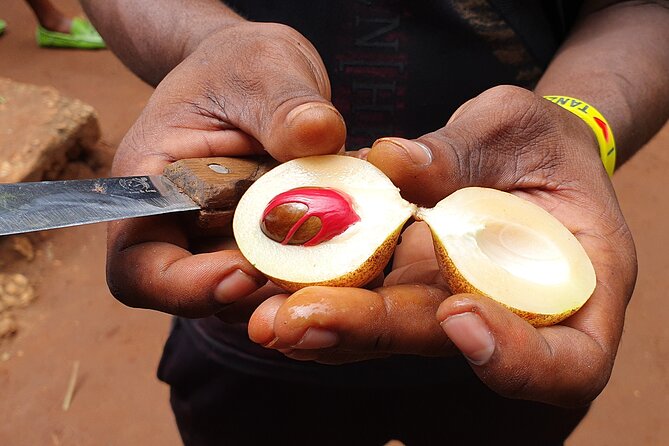
Spice tours often forget the most delicious part. This one doesn’t. You get fresh fruit as part of the experience, and the lineup includes standouts like rose apple and guava.
That matters because Zanzibar fruit is part of the island’s identity, and eating it on site helps you connect the flavors with the landscape you’re standing in. It’s also a practical break during the walking. A couple of bites while you’re learning keeps the tour from turning into a long, dry lesson.
In the more lively moments, you might also run into a coconut angle, including a guide climbing a coconut tree and having everyone drink from their own coconut. That’s not guaranteed in every version, but it’s exactly the kind of hands-on farm moment that fits the spirit of this tour.
There’s also time for tasting. You may get opportunities to sample what’s growing, and there’s typically a chance to buy spices and fruit for eating, so keep a little budget for that if you like to snack as you shop.
A few more Zanzibar City trips to compare
- From Zanzibar: Mikumi Safari Day Trip with Flights and Meal
★ 4.7 · 1,470 reviews - From Zanzibar: Day Selous Game Reserve Safari with Flights
★ 4.7 · 1,025 reviews - Quad Adventures in Zanzibar: Nungwi / Kendwa
★ 4.9 · 640 reviews - Stone Town Private Walking Tour
★ 5.0 · 371 reviews
Henna, perfume tree, and lipstick tree, plants with a cosmetics story
One of the most interesting parts of this tour is how it expands past cooking. You’ll spot rare plants used in cosmetics, including henna and other plants described as perfume and lipstick trees. If you’ve only ever thought of spices as kitchen ingredients, this section widens your view fast.
The tour style here is similar to the spice section. You’re shown the plants and invited to interact with them through smell, touch, and basic tasting when appropriate. The value is in understanding that Zanzibar plant knowledge is practical. It’s not only about flavor, it’s also about beauty and everyday use.
If you like taking home small, personal memories instead of big souvenirs, this is the kind of lesson that gives you something to talk about later. It also makes your spice buying smarter, because you understand which plants are valued for their scent and which are valued for other properties.
Guides and drivers: why Ibrahim Latutu, Abdi, Seif, and Hussein come up

A spice farm tour rises or falls on the guide. The best experiences from this tour style share a few traits: friendly energy, good explanations, and lots of interaction. In the stories connected to this tour, you’ll see names like Ibrahim Latutu for an entertaining, fun guided experience. Abdi shows up as attentive and professional. Seif is described as experienced and lighthearted, with a knack for making the tour memorable.
You might also interact with the driver. Hussein is specifically mentioned as friendly and reliable when transport worked smoothly and was on time. That’s not a small detail. In Zanzibar, timing can make or break your day, and a punctual pickup keeps the tour from feeling stressful.
So when you book, consider this: if you care about the human side, the guide choice is a big deal. This tour’s structure is built for that. The farm is the stage, but your guide turns it into a story you actually remember.
Price and value: what $81 covers, and what you still need to plan for

At $81 per person, this tour isn’t “budget cheap,” but it also isn’t overpriced for what you get. The big value point is that the included list covers the costs that usually add up on island tours.
What’s included:
- transport fees
- local food
- water
- fruits
- entrance fees
- professional guide
What’s not included:
- guide tip
- personal expenses
For value, the included entrance fees and food matter. Many tours charge separately for entry and snacks, then leave you to sort out transport. Here, the bundle is tighter. Also, because it’s private, you’re not sharing the guide time with strangers the way you would on some group tours. That can make the “per person” math feel more reasonable.
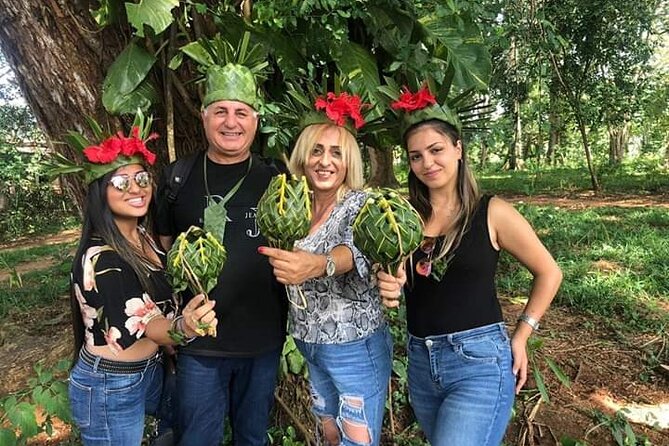
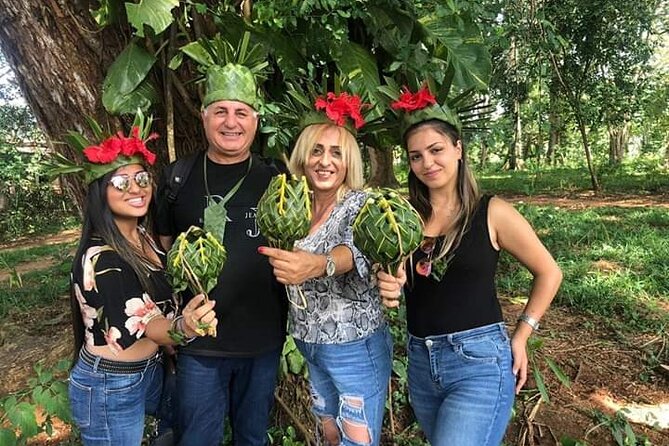
What to budget for beyond the included items is mostly up to you. There’s an opportunity to buy spices and fruits, and some guests enjoy small handcrafted add-ons made with palm leaves and flowers. If you want those extras, bring some cash or be ready to pay for purchases.
Who this spice tour suits best, and who might want something else

This tour is a great fit if you:
- want an activity you can finish in the morning
- like tasting and learning through senses, not just photos
- want a private experience with a guide who will chat and adapt
- care about spices beyond the supermarket basics
It may be less ideal if you:
- want a highly structured museum style visit with fixed stops and minimal interaction
- dislike walking on outdoor paths and being in the sun for part of the morning
- want only long, quiet explanations and no guessing games
It is also especially good for first-time visitors. The spice farm experience teaches you how Zanzibar flavors connect to plants, people, and everyday life.
Small caveats before you go, so the morning stays enjoyable
Because this is outdoors, wear shoes you don’t mind getting dusty. You’ll be walking and you may be invited to handle leaves and twigs. Bring basic sun protection, since a morning in Zanzibar can still feel strong even before midday.
Also, plan your expectations for what you’ll see. This is described as an experience with abundant botanical species, and the plants grow together. So you might not get that classic “rows of spices” look. If you’re expecting a postcard plantation, you might feel it’s different, but that’s also the point. It’s the living garden reality.
Finally, remember tipping is not included. If you enjoyed the guide’s humor, interaction, and effort, budgeting a tip is part of being fair.
Should you book this private spice tour with pickup?
Yes, you should book if you want a short, private, sensory morning with plenty of tasting and a guide who can keep it light and informative. The mix of spices, fresh fruits, and rare cosmetic plants like henna and perfume tree plants gives you variety in a small time window.
I’d skip it only if you want a quiet, classroom-style lesson, or if you’re expecting perfectly manicured spice rows. For most visitors, the hands-on guessing game and the fact that your guide brings the subject to life make it a strong value for $81, especially with transport, entrance, water, food, and fruits included.
If your schedule allows, this is the kind of tour you can do early, enjoy, and still have energy left for the beach or town afterward.
FAQ
How long is the private spice tour in Zanzibar?
It lasts about 2 to 3 hours.
What time does the tour start?
The start time is 9:30 am.
Is pickup included?
Yes, pickup is offered, and transport fees are included.
Where does the tour take place?
It takes place in Zanzibar City, with the main farm visit at Jambo Spice Farm in the Kizimbani or Kidichi area.
What is included in the price?
Included are transport fees, local food, water, fruits, entrance fees, and a professional guide.
Is the tour private?
Yes. It is private, and only your group participates.
Can I cancel for a full refund?
Yes. You can cancel up to 24 hours in advance for a full refund.
Just posted around Zanzibar City
- Mnemba Private Snorkeling Experience★ 5.0 · 4 reviews
- Serengeti & Ngorongoro 3 days Fly Safari in from Zanzibar★ 5.0 · 21 reviews
- Zanzibar Full Day experience★ 4.5 · 5 reviews
- Private Zanzibar Stone Town Historical Tour★ 5.0 · 13 reviews
- Zanzibar Spices Farms Tour (Private)★ 5.0 · 3 reviews
- Zanzibar’s Finest: Private Tour of Top 5 Attractions with Lunch★ 4.5 · 9 reviews
- Full-Day Stone Town and Prison Island Tour in Zanzibar★ 4.0 · 9 reviews
- Zanzibar Spice Tour★ 5.0 · 9 reviews
Spice Farm Tours, compared.

Stone Town, Spice Tour, Prison Island with Lunch
Read our review →
Stone Town, Spice tour & Prison Island with Lunch
Read our review →
Full-Day Private Stone Town +Spice Farm and Prison Island Tour
Read our review →

The Swahili Spice Experience – Spice Tour + Culinary Journey
Read our review →Browse the lists this tour appears in