
Reviewed · FULL-DAY
Full-Day Private Tour of Dar es Salaam
Dar es Salaam is a city you feel fast. This private tour strings together the places that explain the city, not just the places that look good in photos. You start with the solemn Dar es Salaam War Cemetery, then move to everyday life at the International Fish Market and Kariakoo.
Two things I really like here: you get a true private guide with hotel pickup (so the day stays efficient), and the itinerary hits a smart mix of history, museums, and markets within one long outing. One thing to consider, though, is that it can feel like a lot of stops in one go, and markets mean crowds, heat, and plenty of walking.
In This Review
- Key Takeaways Before You Go
- A Private Day in Dar es Salaam, With Hotel Pickup and AC Comfort
- Price and Value: What $160 Includes, and What You Still Need to Plan
- Dar es Salaam War Cemetery: WWI Graves and a Hindu Cremation Memorial
- From Sea to Market: International Fish Market, Then Kariakoo’s Trading World
- National Museum of Tanzania: A Strong One-Hour Orientation to the Country
- St. Joseph Cathedral, Azania Front Lutheran Cathedral, and the Askari Monument
- St. Joseph Cathedral
- Azania Front Lutheran Cathedral
- Askari Monument in Downtown Dar
- Kariakoo to Culture: Where the Village Museum Fits
- Mwenge Woodcarvers Market: Makonde Carvings and Gifts You Can Actually Use
- Guide Quality: When Eric, Emanuel, Emmanuel, or Gabriel Set the Tone
- One thing I’d watch for
- Who Should Book This Tour, and Who Might Want Something Else
- Should You Book This Dar es Salaam Private Tour?
- FAQ
- How long is the Dar es Salaam full-day private tour?
- What does the price of $160 per person include?
- Is pickup offered?
- What languages are available for the tour?
- Which stops are part of the itinerary?
- Are entrance tickets included?
- Can I cancel for a full refund?
Key Takeaways Before You Go
- A private day with hotel pickup so you spend more time seeing Dar and less time figuring out logistics
- Big cultural range from WWI graves to museums to church architecture in the city center
- Markets that show real working life including the sea-to-market flow at the fish market
- Makonde woodcarving culture in Mwenge plus other souvenirs, with about 45 minutes there
- German-era architecture in multiple cathedrals and a downtown landmark in one sweep
- Food and drinks are covered with lunch, alcoholic beverages, snacks, bottled water, and all fees
A Private Day in Dar es Salaam, With Hotel Pickup and AC Comfort
This is built for convenience. You’re not sharing a small-group bus with strangers. It’s your group only, and you get hotel pickup plus transport in an air-conditioned vehicle. For a city that can run hot and hectic, that matters. You can do more without feeling like your day is one long endurance test.
The schedule is also designed around limited time. The tour runs about 6 to 8 hours, and it’s the kind of day that gives you a practical “orientation” to Dar. You’ll see the main historical and cultural anchors, plus the marketplaces locals actually use.
One practical note: the tour hours run Monday to Saturday, 9:00 AM to 4:30 PM. With a long day like this, you’ll want to start early enough that you don’t feel rushed at the markets.
A few more Dar es Salaam trips to compare
- Dar es Salaam: City Tour
★ 4.7 · 159 reviews - Dar es Salaam City Center: Walking Tour
★ 4.8 · 102 reviews - Dar es Salaam City Tour – Everyday
★ 5.0 · 64 reviews
Price and Value: What $160 Includes, and What You Still Need to Plan
At $160 per person, the price can look steep until you see what’s included. You get lunch, alcoholic beverages, snacks, bottled water, and all fees and taxes. You also get the private transportation and the guide time. That bundle matters in Tanzania, where “small add-ons” can multiply quickly.
What’s not included is only tips and gratuities. So you can plan your spending fairly cleanly: pay for the tour, budget a little for tips if you want to reward great service, and then you’re basically set.
Where the value really shows is in pacing. A good day guide keeps you moving, but not in a chaotic way. In the best moments of this tour, you’re guided through the why behind what you see, not just ushered from one stop to the next.
Dar es Salaam War Cemetery: WWI Graves and a Hindu Cremation Memorial
Stop 1 is the Dar es Salaam War Cemetery, and it sets the tone in the best possible way. The cemetery includes 1,764 Commonwealth burials from the First World War, plus Second World War graves and a set of memorials for servicemen whose remains were not identified. There are also war graves of other nationalities, including many Belgian and German burials, again tied to WWI.
If you’re the kind of traveler who likes your history factual and grounded, you’ll appreciate the specific numbers here. This is not “vague remembrance.” It is clearly laid out and easy to understand, even if you only have around 20 minutes.
One detail that makes the stop unusually thoughtful is the Dar-es Salaam Hindu Cremation Memorial, which commemorates 14 Indian servicemen whose remains were cremated according to faith. It’s a reminder that Dar’s story was global long before modern tourism arrived.
Consideration: It’s a respectful place, so keep your voice low and your photos calm. Don’t treat it like a quick roadside sight.
From Sea to Market: International Fish Market, Then Kariakoo’s Trading World
Next comes daily life at the Dar es Salaam International Fish Market. You’re there for about 30 minutes, and that’s just enough time to see what makes it special. The point isn’t only what’s on display. It’s the process, from the sea to the main market, and the flow of fish and people that keeps the city fed.
This is one of those stops where your senses do half the work. You’ll see variety, catch handling, and the energy of real commerce. If you want food and culture in the same breath, this hits it.
Then you head to Kariakoo Market, around 15 minutes. Kariakoo is the big downtown trading zone, and the story behind its name is tied to the British-era Carrier Corps in World War I. It also opened in December 1975 under Julius Nyerere, so it’s both modern and rooted.
What to expect: brief wandering, lots of movement, and plenty to look at. It’s not a slow, museum-style stop.
Small drawback: markets can be physically tiring. If you have limited mobility, plan to tell your guide early so they can adjust how long you linger and where you walk.
Same base in Dar es Salaam, a completely different day:
- MIKUMI NATIONAL PARK – 3 Days
★ 4.5 · 63 reviews - 2 nights 3 days safari to mikumi national park
★ 5.0 · 62 reviews - 2 Days 1 Night Mikumi National Park from Dar es salaam
★ 5.0 · 60 reviews - The Best/Top Rated Cultural City Tour in Dar es Salaam
★ 5.0 · 57 reviews
National Museum of Tanzania: A Strong One-Hour Orientation to the Country
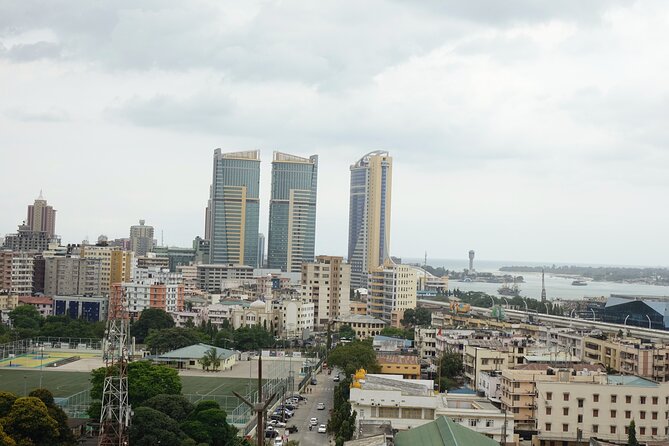
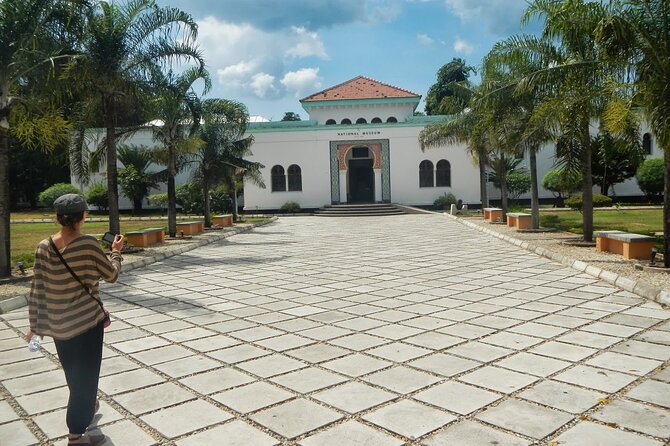
After the markets, you get a change of pace with the National Museum of Tanzania, open for about 1 hour. It focuses on Tanzanian history and people, and the fact it was established in 1934 gives it weight. Even if you’re not a “museum person,” this is a good anchor stop because it helps the rest of your day make sense.
Think of it like context you can carry into the streets. When you understand a bit more about how people lived and how the country developed, the monuments, churches, and local crafts feel less random.
Consideration: A single hour means you won’t see everything. The best strategy is to let your guide steer you toward the key themes they think connect to the rest of Dar you’ll experience that day.
St. Joseph Cathedral, Azania Front Lutheran Cathedral, and the Askari Monument
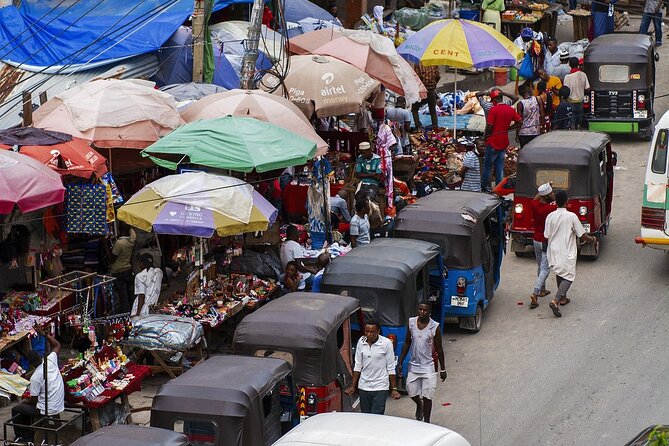
Dar has church buildings that are more than just places of worship. Two in particular tie into the German mission era.
St. Joseph Cathedral
St. Joseph cathedral was built by the Germans between 1897 and 1902, and it later became part of the Dar es Salaam Catholic archdiocese after consecration in 1906. You’ll recognize it as an iconic landmark, and you’re likely to notice the gothic lines and the way it dominates its surroundings.
Azania Front Lutheran Cathedral
Then there’s Azania Front Lutheran Cathedral. It was constructed in gothic style by German missionaries between 1899 and 1902. The location adds another layer. It faces the harbor along Kivukoni Front road, which gives you a good view angle over the waterfront area and toward the city center.
Askari Monument in Downtown Dar
The Askari Monument is another quick but meaningful stop. It’s on a roundabout connecting Samora Avenue with Maktaba Street, marking downtown Dar’s focal point. It was built in 1927 to honor askari soldiers who fought in World War I.
Why this trio works: you go from Christianity-era architecture to a WWI monument, which ties your history theme together before you shift back into markets and crafts.
Practical note: these stops can be short, especially if traffic or crowds slow you down. But they’re the kind of landmarks you can enjoy even in brief time because they’re visually strong.
Kariakoo to Culture: Where the Village Museum Fits
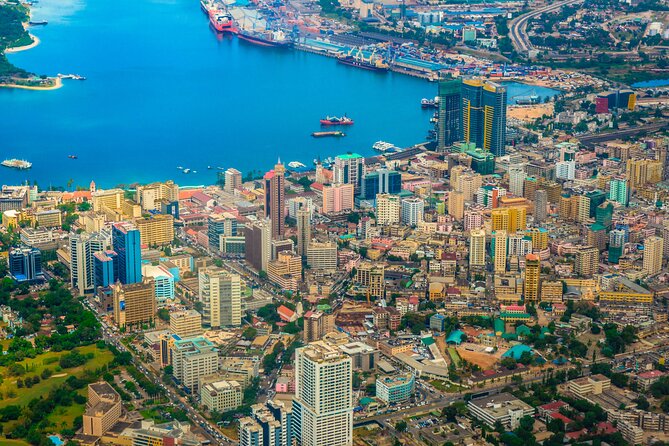
After the downtown landmarks, the day’s cultural layer continues with the Village Museum at Makumbusho. This stop is around 1 hour, and it focuses on authentically constructed houses and equipment from several Tanzanian tribes.
Tanzania has over 130 tribes, so the museum can’t cover everything in one visit. But it gives you a grounded sense of daily life and material culture, and that makes the rest of your day feel more coherent. Markets and monuments tell you one story. The Village Museum helps explain how people lived.
Who this suits: if you like anthropology-style travel, you’ll get more from this hour than you might expect.
Consideration: It’s a museum, not a quick photo stop. If you’re trying to conserve energy, keep hydrated and slow your pace when you transition from outside areas to exhibits.
Mwenge Woodcarvers Market: Makonde Carvings and Gifts You Can Actually Use
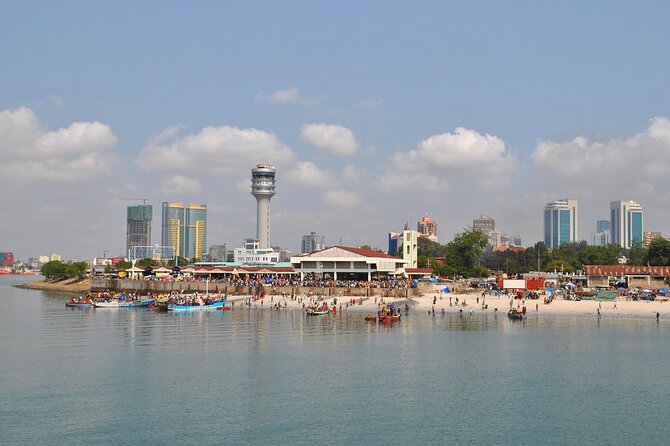
The craft stop is the Mwenge Woodcarvers Market, about 45 minutes. This is one of the most fun parts of the tour because it’s not just browsing. You’re surrounded by the work and by sellers who understand what they’re offering.
Mwenge is home to a large cooperative of over 200 carvers who specialize in Makonde carvings. Makonde is famous for wood carving, and this is the place in Dar where that tradition shows up in a concentrated, buyable form. You’ll also find Tinga Tinga paintings and other local souvenirs.
Why I like this stop for travelers: it gives you a chance to shop with meaning. Instead of guessing which souvenir is authentic, you’re shopping in a setting built around the craft itself.
Small caution: markets and shops move fast. If you spot something you love, don’t put it off for “later.” You may not want to bargain while you’re tired.
Guide Quality: When Eric, Emanuel, Emmanuel, or Gabriel Set the Tone
This tour is only as good as the person guiding you through it, and the strongest experiences here share a theme: the guide explains clearly and keeps the pace comfortable.
In real-world days, guides like Eric, Emanuel, Emmanuel, Erick, and Gabriel have shown up with professional, friendly energy. You’ll often hear about guides who are open to questions and able to connect what you see to Tanzanian life beyond the monuments.
Language options are another practical piece. The tour offers guides speaking German, English, French, and Spanish. If your language is a must, double-check it when booking and be ready for small on-the-ground differences.
One thing I’d watch for
A couple of past bookings reported serious problems like no-show or last-minute cancellation without clear communication. That doesn’t mean it happens constantly, but it is enough that I’d treat confirmation and day-of checks as important. If you’re flying in and out tightly, build in a bit of buffer time.
Who Should Book This Tour, and Who Might Want Something Else
This private full-day tour is ideal if you want a lot of Dar in one shot:
- You have a short visit and want history plus street life
- You want a guided plan, not a self-made checklist
- You like markets, museums, and landmarks more than theme-park style sights
It may not be the best match if:
- You want slow travel with long stops in just one neighborhood
- You get overwhelmed by crowds and heat at busy markets
- You’re extremely sensitive to the risk of operator hiccups, like a no-show or sudden change
If you have mobility needs, the key is communication. Some groups have reported arrangements that suit mobility limitations, so it’s worth telling your guide what’s realistic for walking time.
Should You Book This Dar es Salaam Private Tour?
I think it’s a good booking when you want an efficient, guided “Dar snapshot” that still feels grounded in real places. The value stands out because lunch, drinks, snacks, bottled water, and fees are included, and you get the comfort of air-conditioned transport plus hotel pickup.
Book it if you’ll enjoy markets and you’re curious about how Dar’s WWI-era history connects to the city you see today. Skip it if you’d rather spend half a day with less walking, fewer stops, and more time just soaking up one area.
If you do book, do one smart thing: confirm your guide and pickup details in advance, especially if your schedule is tight. Then go in with the mindset of a guided day, not a museum marathon. That’s when this tour works best.
FAQ
How long is the Dar es Salaam full-day private tour?
It runs about 6 to 8 hours.
What does the price of $160 per person include?
Lunch, alcoholic beverages, snacks, bottled water, air-conditioned vehicle, private transportation, and all fees and taxes are included.
Is pickup offered?
Yes, hotel pickup is offered.
What languages are available for the tour?
Tours are available for German, English, French, and Spanish speakers.
Which stops are part of the itinerary?
Key stops include the Dar es Salaam War Cemetery, the International Fish Market, the National Museum of Tanzania, St. Joseph cathedral, Azania Front Lutheran Cathedral, the Askari Monument, Kariakoo Market, Mwenge Woodcarvers Market, and the Village Museum at Makumbusho.
Are entrance tickets included?
Yes. Admission tickets are listed as included or free for stops like the National Museum of Tanzania, and other stops show free admission tickets where applicable.
Can I cancel for a full refund?
Yes. Free cancellation is available if you cancel at least 24 hours before the experience starts.
Just posted around Dar es Salaam
- 2 Day Wildlife Experience and Masai Culture Mikumi Park★ 5.0 · 5 reviews
- Explore Dar es Salaam: Full-Day Private City Tour★ 5.0 · 18 reviews
- 3 Days Explore Selous Game Reserve + Boat safari + bushman walking★ 5.0 · 5 reviews
- Sunrise Beach Walk with Picnic Breakfast Activity★ 5.0 · 3 reviews
- Mikumi Np Mid Range Tour 3 Days★ 5.0 · 3 reviews
- 3 Days Safari to Nyerere National Park (Selous Game Reserve)★ 5.0 · 8 reviews
- Saadani National Park Day Tour★ 5.0 · 3 reviews
- Mikumi national park full day tour from Dar es sallam★ 5.0 · 9 reviews
Full-Day, compared.
Full-Day Private Stone Town +Spice Farm and Prison Island Tour
Read our review →
Zanzibar full day Jozani forest + Spice farm and stone town
Read our review →
Private Full Day Hiking Experience to Marangu Route
Read our review →
Private Full-Day Trip to Mikumi National Park from Dar es Salaam
Read our review →
A Private Full Day Tour To Stone Town & Spice Farm
Read our review →
Zanzibar Full Day Mnemba Island, Nungwi and Kendwa Beach Tour
Read our review →
Full-Day Private Serengeti Safari from Mwanza
Read our review →
Dar Es Salaam City Tour (Full Day With Private Guide And Car)
Read our review →Browse the lists this tour appears in