
Reviewed · STONE TOWN TOURS
From Stone Town: Spice Tour of Zanzibar
Spice Island is right here on the ground. This small plantation tour explains why Zanzibar is nicknamed Spice Island, with hands-on time around plants like cloves, nutmeg, and vanilla.
I especially like the chance to see where spices actually grow, not just hear about them.
One thing to plan for: you’ll likely want cash for tips and for buying spices at the end, and the tour does not include food.
This is also a guide-led experience with real personality. In the best moments, you get to smell and sometimes taste spices and fruits, then watch the coconut climber work while singing the traditional Jambo song.
The only soft spot is that it has a short, active farm format, so you should think ahead if you have mobility concerns.
In This Review
- Key highlights worth your time
- The 2.5-Hour Spice Farm From Stone Town
- What You Actually See: Zanzibar’s Spices Growing on Site
- The Tree-Part You Might Not Expect: Local Medicinal Uses
- The Coconut Climber Moment, Including the Jambo Song
- Fruit Sampling That Makes the Whole Thing Feel Real
- Meeting the Guides: What Makes Their Explanations Work
- The Farm Shop Stop, and How to Shop Without Getting Rushed
- Price and Value: Why $30 Can Make Sense
- Logistics to Know Before You Go
- Who This Tour Suits Best (and Who Should Reconsider)
- Tips, Cash, and the End of Tour Reality Check
- Should You Book This Spice Tour?
- FAQ
- How long is the From Stone Town Spice Tour of Zanzibar?
- Where is the tour located?
- Is hotel pickup included?
- What languages is the tour guide available in?
- What is included in the $30 price?
- Is food included?
- What should I bring?
- Are large bags allowed?
- Is the tour suitable for wheelchair users or mobility impairments?
- Can I cancel and get a refund?
Key highlights worth your time
- Spice plantation walk with plants tied to Zanzibar’s spice reputation
- Touch, smell, and taste when the guide offers it during the walk
- Coconut climber show with a quick sing-along and a fresh coconut moment
- Fresh fruit sampling including mango, papaya, jackfruit, and more
- Farm shop stop where you can buy spices to use back home
- Small details guided well, from harvesting to local uses of certain trees
The 2.5-Hour Spice Farm From Stone Town
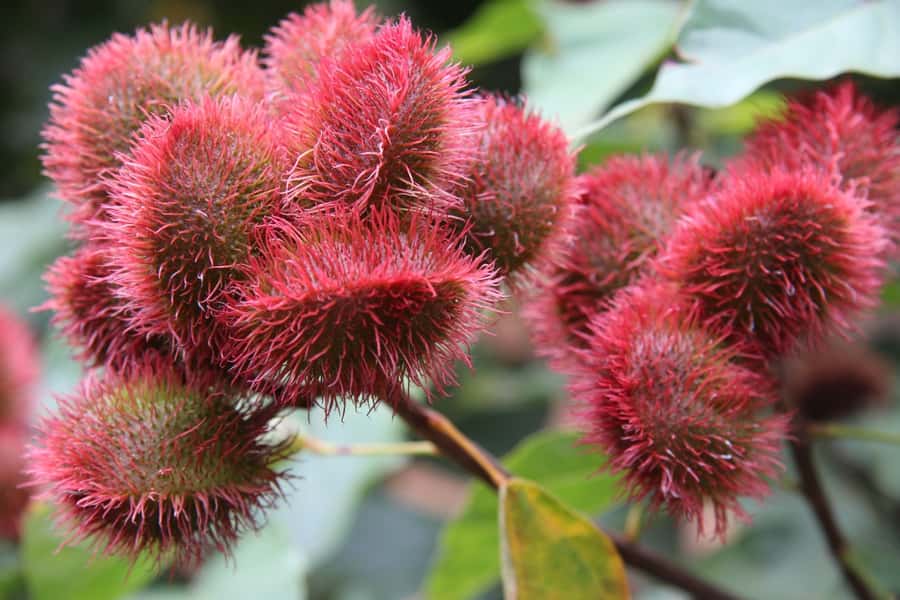
This is a straightforward half-tour kind of outing. You leave Stone Town, get transported to a small spice plantation, and spend about 2.5 hours moving at a relaxed walking pace from plant to plant. The guide keeps it practical, focused on how spices grow and how locals use them.
The value here is simple: for $30, you get the guide, the entrance fee, and government taxes, plus pickup from any hotel within Stone Town. That matters because so many “theme tours” charge extra just to get you to the starting point.
One more plus: the tour runs with a live guide in several languages, including English, French, German, Spanish, and Italian. If you prefer not to feel lost in translation, you can line that up.
More spice farm visits in Zanzibar:
- Zanzibar: Stone Town, Spice Tour, Prison Island with Lunch
★ 4.4 · 1,219 reviews - Zanzibar: Prison Island, Stone Town, & Spice Farm Tour
★ 4.5 · 579 reviews - Zanzibar: Stone Town, Spice tour & Prison Island with Lunch
★ 4.6 · 453 reviews
What You Actually See: Zanzibar’s Spices Growing on Site
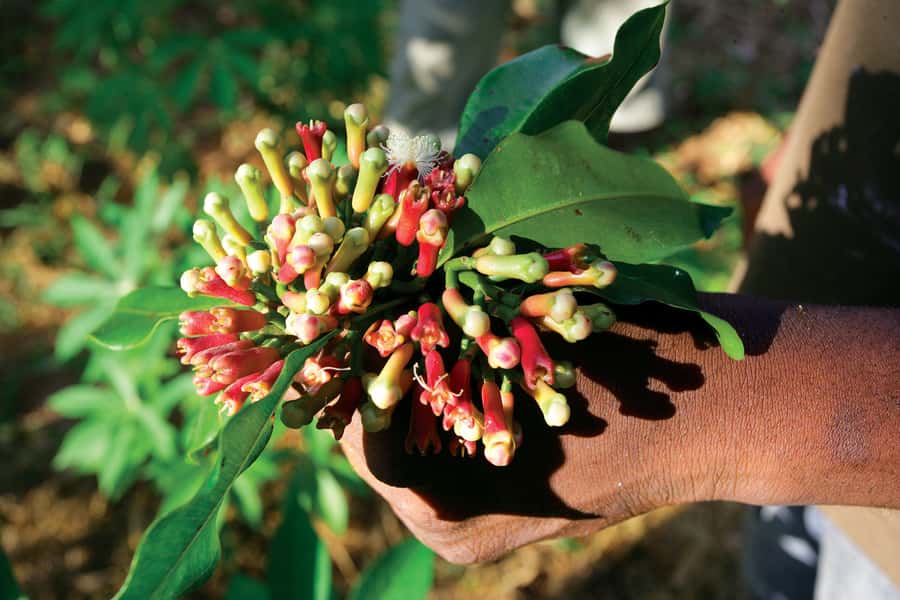
This tour is built around seeing spice plants and herbs where they come from. Not all spice tours are like that. Some are mostly a shop pitch. Here, you spend real time on the farm, and the guide ties each plant to a specific idea: where it grows, what it’s used for, and why Zanzibar became known for it.
On the plantation, you’ll encounter examples such as:
- Cloves
- Nutmeg
- Vanilla
- Zanzibar cardamom
- Cinnamon
- Curry (plants used in regional cooking)
- Menthol and pepper
- Tamarind
- Ginger
The best part for me is how the tour connects spice names to plant realities. You start recognizing spices as something with stems, leaves, and harvest timing, instead of just jar labels.
The Tree-Part You Might Not Expect: Local Medicinal Uses
A spice tour sounds like cooking, but this one also brings in traditional uses of certain trees. That’s not just trivia. It’s the kind of context that helps you understand why these farms still matter locally.
You may hear about:
- Neem tree leaves used as a traditional cure for malaria and indigestion
- An iodine tree used to fight infections in wounds
Even if you keep your expectations realistic, this is one of the more memorable angles. It shows you Zanzibar’s spice identity is not only about flavor, it’s also about everyday life and traditional knowledge.
The Coconut Climber Moment, Including the Jambo Song
If you’re the type who likes travel moments you can tell people about later, plan for the coconut climax of the tour. The plantation has a coconut climber, and the experience includes him getting a fresh coconut for you. In reviews, the climber sings the traditional Jambo song, which gives the moment an extra layer of energy.
This is also where the “small tour” style pays off. You’re not rushed past it. You get to watch the process and, in many cases, drink the fresh coconut water. One review highlights drinking directly from a newly cut coconut, which is exactly the kind of hands-on detail that turns a plant tour into an actual memory.
More Stone Town walks:
- Zanzibar; Prison Island, Nakupenda, StoneTown Tour with BBQ
★ 4.3 · 457 reviews - Stone Town Private Walking Tour
★ 5.0 · 371 reviews - Zanzibar: 3 Hours Private Stone Town walking Tour with Guide
★ 4.6 · 301 reviews - Full-Day Private Stone Town +Spice Farm and Prison Island Tour
★ 4.5 · 216 reviews
Fruit Sampling That Makes the Whole Thing Feel Real
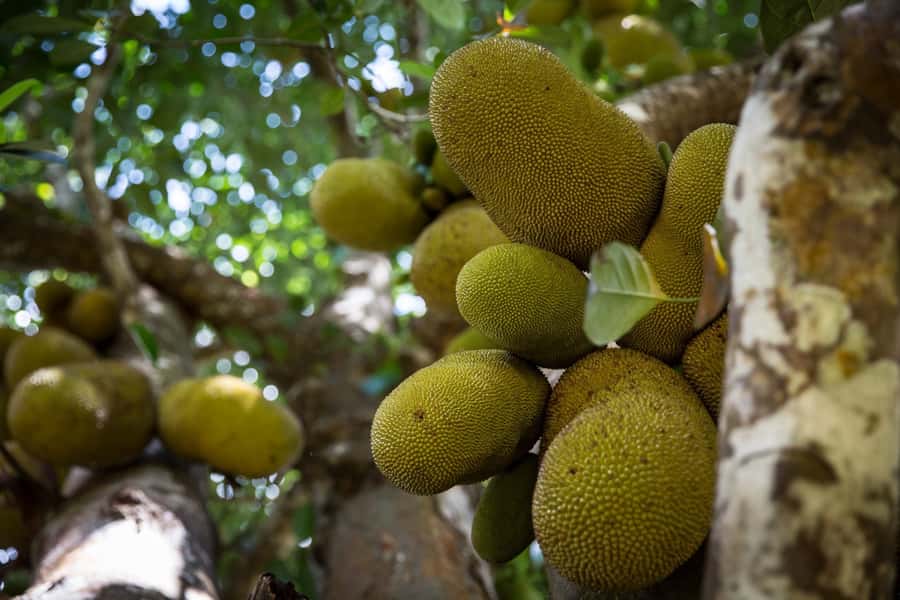
Spices are the headline, but the fruit is what keeps the tour tasting-focused. The plantation grows tropical fruits you’ll likely see and sample during the walk. Examples listed include papayas, mangoes, and jackfruit.
You may also encounter additional fruits mentioned in reviews, like avocado and guava. The pattern is consistent: you get fresh, seasonal fruit on site rather than something packaged and staged.
This is not a food tour in the full sense, but it does keep your senses engaged. Walking through fragrant plants while also getting tastes along the way is a smart way to learn, and it makes the 2.5 hours feel shorter.
Meeting the Guides: What Makes Their Explanations Work
A big part of why this experience earns high marks is the guide’s delivery. Guides are described as coming from the spice farm itself in at least some cases, and the explanations tend to cover harvesting and traditional uses in a way that feels grounded.
You’ll hear names like Juma and Sulley in reviews. That matters because it suggests the tour often uses stable local guides, not just rotating drivers with a script.
Also pay attention to how the guide handles interaction. Reviews mention you can touch, smell, and taste many of the spices. That hands-on permission is the difference between reading labels and actually understanding what you’re looking at.
If you want the most out of the tour, ask short questions as you go. Things like what’s harvested first, what part of the plant becomes the spice, and how it’s used locally. The guide’s explanations seem built for those moments.
The Farm Shop Stop, and How to Shop Without Getting Rushed
The tour ends with a visit to the spice shop on the farm. That’s when you buy spices to take home.
Because you’ll be walking through so many plants earlier, the shop stop feels more like a chance to match what you saw to what you want, instead of starting from zero. And since you can smell and see the spices beforehand, you’re less likely to buy something by guesswork.
In real life terms, this is also where you should plan your spending. Many people find they want to take home a few “best for cooking” picks, plus maybe a specialty item. Set a small budget before you arrive so you’re not making decisions while you’re tired and surrounded by good-smelling chaos.
Price and Value: Why $30 Can Make Sense
At $30 per person for a 2.5-hour guided experience, this is priced like a practical add-on from Stone Town, not a luxury half-day. The key is what’s included:
- Entrance fee
- Guide
- All government taxes
- Pickup from any hotel within Stone Town
What’s not included is food. So if you’re hungry right afterward, you’ll want a plan for dinner back in Stone Town.
Is it good value? For most people, yes, because you’re paying for a real farm walk with guide-led learning, plus access to the farm shop at the end. The coconut climber moment and the fruit tasting are also “included-feels” even though they aren’t itemized as separate line charges.
Logistics to Know Before You Go
This tour includes pickup from any hotel within Stone Town. You wait at your hotel reception to be collected. In one case, a map pin issue caused confusion at the start, but communication via WhatsApp fixed it quickly.
That’s a good reminder to do two things:
- Confirm your pickup details the day before
- Be ready to message if there’s a pickup map mix-up
Bring comfortable shoes. The farm surfaces can vary, and you’ll be doing short walks between plants.
One more rule: luggage or large bags are not allowed. If you’re traveling light, you’re already set. If you’re not, think about what you can wear and carry without bringing a big item along.
Who This Tour Suits Best (and Who Should Reconsider)
This spice tour fits best if you like learning through your senses. If you enjoy cooking, scents, and small hands-on experiences, you’ll likely have a great time.
It also works well for:
- First-time visitors who want a classic Zanzibar “what spices are here” experience
- People who prefer a guided farm walk over a museum-style activity
- Anyone who enjoys short tours that leave room for the rest of your Stone Town day
But it’s worth a careful look if you have mobility needs. The tour listing says wheelchair accessible, and it also says it is not suitable for people with mobility impairments. Because that’s a direct contradiction, I’d treat it as a “confirm first” situation. If you’re unsure, message the operator before you book and ask what routes are like on the plantation.
Tips, Cash, and the End of Tour Reality Check
Two practical things show up repeatedly in feedback:
1) Cash is useful, both for tips and for buying spices.
2) The coconut climber and assistant staff may expect tips.
That doesn’t mean you should feel pressured. It just means you’ll have a smoother time if you come ready. If you plan to shop at the farm store, cash also prevents the awkward moment of figuring out payment methods while you’re deciding what to buy.
Also, since food is not included, you might want a snack before you go, or plan to eat soon after. The tour includes fruit tastings, but it’s not framed as a full meal.
Should You Book This Spice Tour?
Book it if you want a compact, real-life Zanzibar experience that connects plant names to the grown stuff. The best reasons to go are the farm walk, the chance to smell and sometimes taste spices and fruits, and the coconut climber moment with the Jambo song.
Skip or reconsider if you strongly dislike active outdoor walks, you don’t want to buy anything at the end, or you have mobility concerns and can’t confirm what accessibility really looks like on the ground.
If you want one “Spice Island” activity that doesn’t feel like a showroom, this is a strong choice. It’s short enough to fit into a Stone Town day, and it gives you actual spices and fruit memories to take home.
FAQ
How long is the From Stone Town Spice Tour of Zanzibar?
The tour lasts 2.5 hours.
Where is the tour located?
It runs in the Unguja South Region of Tanzania, starting from Stone Town.
Is hotel pickup included?
Yes. Pickup is available from any hotel within Stone Town. You wait at your hotel reception to be collected.
What languages is the tour guide available in?
The live guide can speak English, French, German, Spanish, and Italian.
What is included in the $30 price?
Entrance fee, the guide, and all government taxes are included.
Is food included?
No. Food is not included in the tour. (Fruit tasting is mentioned, but no full meal is listed.)
What should I bring?
Bring comfortable shoes.
Are large bags allowed?
No. Luggage or large bags are not allowed.
Is the tour suitable for wheelchair users or mobility impairments?
It is listed as wheelchair accessible, but it also says it is not suitable for people with mobility impairments. If you have mobility needs, confirm details with the provider before booking.
Can I cancel and get a refund?
Yes. You can cancel up to 24 hours in advance for a full refund.
Just posted around Zanzibar
- Dolphin Watching Tour & Josani Forest Sea Trip – Zanzibar★ 4.5 · 3 reviews
- Stonetown Private Half-day Walking Tour★ 5.0 · 21 reviews
- Full Day Safari to Mikumi National Park from Zanzibar with Lunch★ 4.5 · 3 reviews
- Come and taste the Zanzibar feelings★ 5.0 · 12 reviews
- Cooking Class Tour★ 5.0 · 9 reviews
- Cultural Walking Tour through Stonetown, a UNESCO World Heritage Site★ 4.5 · 14 reviews
- Private Catamaran – Stone Town Islands & Sandbanks (5 hrs)★ 5.0 · 10 reviews
- Cave Tour & Rock Restaurant Visit★ 3.5 · 5 reviews
Stone Town Tours, compared.

Stone Town, Spice Tour, Prison Island with Lunch
Read our review →

Prison Island, Nakupenda, StoneTown Tour with BBQ
Read our review →Stone Town, Spice tour & Prison Island with Lunch
Read our review →

3 Hours Private Stone Town walking Tour with Guide
Read our review →
Full-Day Private Stone Town +Spice Farm and Prison Island Tour
Read our review →
Stone Town Historical Cultural Walking Guided Tour
Read our review →Browse the lists this tour appears in