Reviewed · 2-DAY EXPERIENCES
2 DAY-ADVENTURE SAFARI IN TANZANIA
Tarangire plus Ngorongoro in two days is intense. I like the focus on Great Migration wildebeest sightings and the chance at Big Five action in Ngorongoro, but you should budget for national park fees since they are not included.
What makes this feel like good value is the full package for a short trip: pickup from Arusha, guided game drives with a professional English-speaking guide, and an overnight in tents with sleeping gear and meals.
In This Review
- Key moments at a glance
- Day 1: Tarangire National Park, with elephants and baobabs up close
- Night in tents near Tarangire: what comfort looks like on a 2-day plan
- Day 2: Ngorongoro Crater, the Big Five concentration challenge
- Chasing wildebeest and the Great Migration vibe
- Maasai cultural heritage: why it matters on a wildlife trip
- Big Five odds and what to do when sightings get slow
- Price and value: why $400 can be fair, and when it can feel tight
- Pickup from Arusha and Moshi: the little detail that affects your day
- Should you book this 2-Day Adventure Safari in Tanzania?
- FAQ
- FAQ
- What parks are included in this 2-day safari?
- How long is the drive from Arusha or Moshi to Tarangire?
- How long is the drive to Ngorongoro Crater?
- Is lunch included on both days?
- What animals are you likely to see?
- Do you get to see wildebeest during the Great Migration?
- What are the accommodation details?
- What is included in the price?
- What is not included?
- Do I need cash?
- Is pickup free from Arusha?
Key moments at a glance
- Tarangire’s elephant herds and baobab trees: classic sights on day one, plus lions, giraffes, and zebras in the mix
- Ngorongoro crater half-day game drive: a concentrated wildlife experience from the crater floor
- Big Five odds in one place: the crater is listed as a place to find lions, elephants, buffaloes, leopards, and rhinos
- Packed lunches and picnic lunch: food handled for you, so you spend more time looking and less time hunting
- Maasai cultural heritage: you get a cultural layer, not just wildlife time
- Tented overnight setup: sleeping bag, mattress, and camping equipment included
Day 1: Tarangire National Park, with elephants and baobabs up close

Day one starts early, with pickup from your hotel in Arusha or Moshi. The drive to Tarangire takes about 2 to 3 hours, so you get that classic safari rhythm quickly: travel, then vehicles rolling toward wildlife as the day heats up.
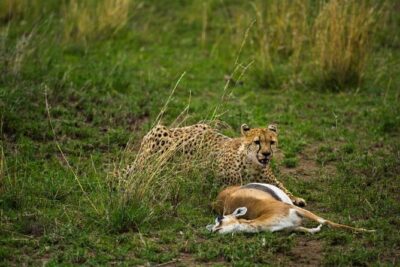
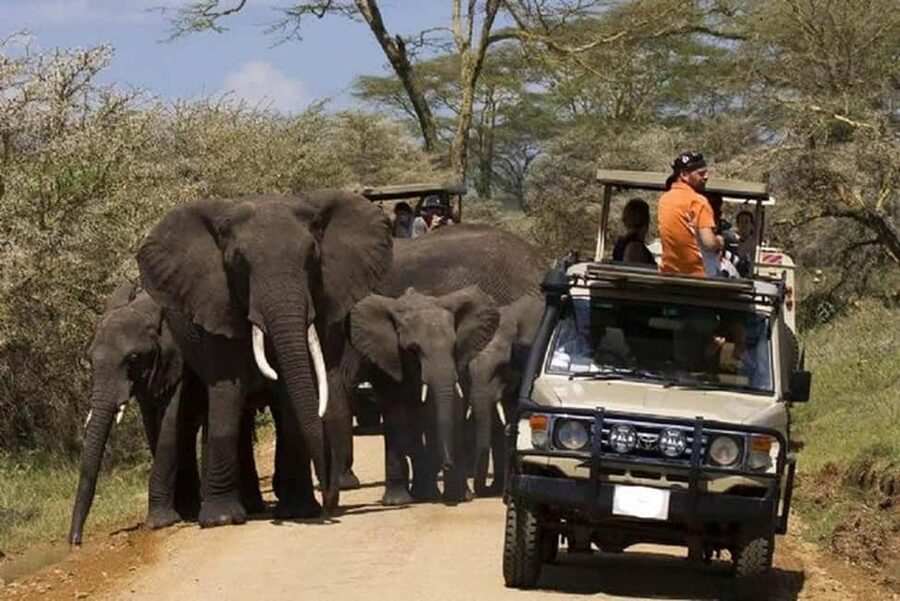
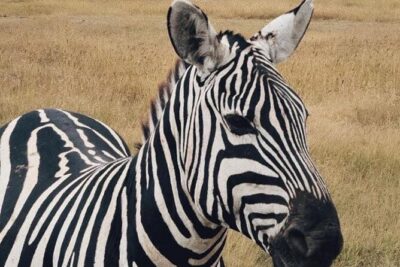
Once you arrive, the day is built around a packed lunch and then a game drive in Tarangire. Tarangire is known for large elephant herds and baobab trees, and those two landmarks matter because they shape how the animals move and where you can spot them. Elephants tend to anchor the landscape around water and food, while baobabs provide shade and a long-term meeting point for many species. Your guide keeps things practical, sharing how the ecosystem works while you scan for wildlife like lions, giraffes, zebras, and different bird species.
There is also a timing benefit to this setup for a 2-day safari. You are not waiting until day two to get your first real sightings. You land in Tarangire, you drive, you look, and you rest at a lodge or campsite near the park for dinner and the night.
One thing to watch: Tarangire evenings are quiet and beautiful, but they also remind you that you will be up again soon. Build in a mindset that you are trading sleep for sightings, because this itinerary is tight by design.
More safaris from Tanzania:
- Serengeti Balloon Safari and authentic bush breakfast
★ 5.0 · 2,480 reviews - Balloon Safari & Bush Breakfast in Serengeti – Miracle Experience
★ 5.0 · 1,646 reviews - From Zanzibar: Mikumi Safari Day Trip with Flights and Meal
★ 4.7 · 1,470 reviews
Night in tents near Tarangire: what comfort looks like on a 2-day plan
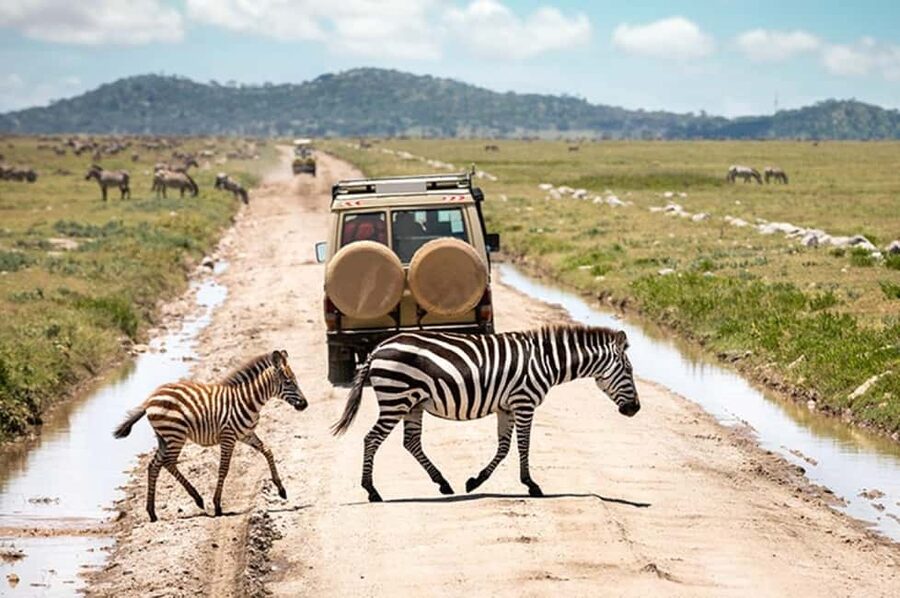
You will sleep in tents, and the tour includes camping basics that make or break this kind of overnight: camping equipment, a sleeping bag, and a mattress. That is not just a checkbox. It affects how much energy you have left for a second big day.
In practice, your overnight is listed as tents, but the experience can feel more comfortable depending on the lodge or campsite set up near the park. Either way, dinner is included and the whole idea is that you wake up the next morning ready to descend into Ngorongoro with less hassle.
The main advantage of this overnight style is that it reduces downtime. You are not trying to crisscross Tanzania or add extra hotel transfers. You are staying close enough to keep day two focused on the crater, and that is the whole point of a 2-day safari.
If you like packing light, plan for what you will actually use at night: your daypack for daytime, and a few essentials you want close, like your camera gear and a power bank. The tour gives you what you need for sleeping, but you still manage your electronics and personal items.
Day 2: Ngorongoro Crater, the Big Five concentration challenge
After an early breakfast, you head to Ngorongoro. The drive is about 1.5 to 2 hours, and you get those highland-style views while you move toward the crater rim. Ngorongoro is a UNESCO World Heritage Site, and that title is not just a label. It reflects how famous the crater ecosystem is, and why wildlife viewing here can feel unusually dense compared to many other areas.
At the rim, you descend into the caldera for a half-day game drive. This part is the star of the whole itinerary because Ngorongoro is described as home to an incredible concentration of wildlife, including the Big Five: lions, elephants, buffaloes, leopards, and rhinoceros. Even if you do not see all five every time, you are in the kind of location where chances are higher than in a wide, spread-out route.
You also get a picnic lunch in the crater, which is one of those details that sounds simple until you are hungry, hot, and still spotting animals. Having lunch handled means you can keep eyes on the vehicle line rather than breaking your day into complicated meal plans.
When the crater drive ends, you ascend back to the rim and then continue to Arusha or the airport for departure. That last leg is also why this works as a “2-day adventure” format: you do big wildlife time, then you move out without turning the trip into a long slog.
Chasing wildebeest and the Great Migration vibe
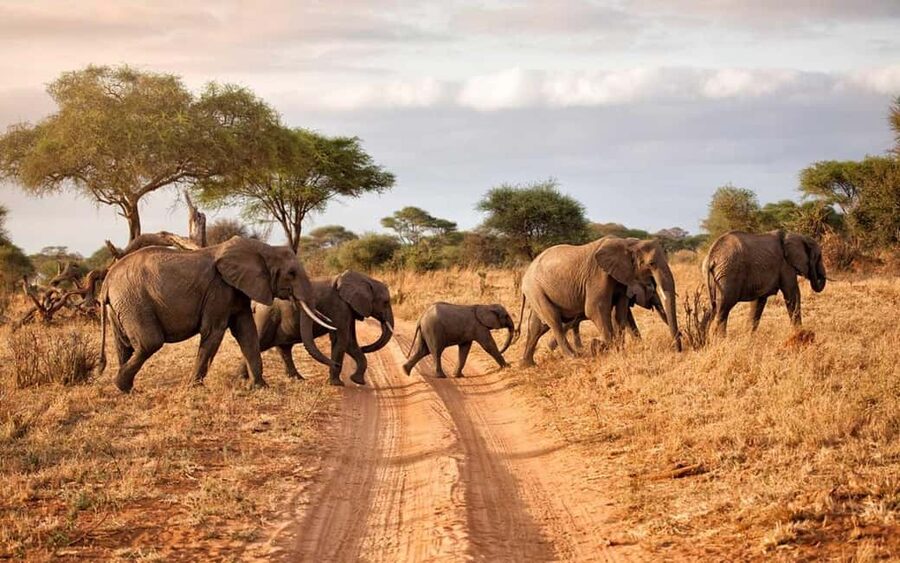
This safari is built around one big promise: the Great Migration theme, specifically wildebeest moving across vast plains. In Tanzania, seeing thousands of wildebeest together is the kind of visual that is hard to forget, and it is one reason this itinerary gets people excited before they even arrive.
Now, a helpful reality check. The timing of migration movements can vary. The tour wording focuses on the chance to witness the movement of wildebeest, so your experience depends on where the herds are during your days. The good news is that the day structure keeps you in the right regions where migration sightings are the goal.
What I like about this approach for a short trip is that it gives you a clear target. Instead of bouncing randomly, you are in parks that are strongly associated with classic wildlife viewing patterns. And because you are driving with a guide, you are not just hoping for luck. You are actively looking based on what animals are doing that day.
If you care about the migration feeling, bring the right gear: camera ready fast, enough storage, and your power bank charged before you leave. Early drives mean fewer chances to stop later.
Same base in Tanzania, a completely different day:
- Zanzibar: Quad Bike Adventure departing from Kendwa or Nungwi
★ 4.9 · 1,233 reviews - Zanzibar: Stone Town, Spice Tour, Prison Island with Lunch
★ 4.4 · 1,219 reviews - Tanzania Classic – 7 Days
★ 5.0 · 1,151 reviews - 4 Days Group Camping Safari
★ 5.0 · 1,101 reviews
Maasai cultural heritage: why it matters on a wildlife trip
Wildlife is the headline, but the tour also includes time to connect with the Maasai cultural heritage. That matters because it keeps the trip from being only about animals and photos. It reminds you that these parks sit within living cultural landscapes and community histories.
The exact format of the cultural time is not spelled out here, so I would treat it as a guided inclusion rather than assuming a specific kind of visit. Still, the highlight is clear: your safari aims to add a cultural layer alongside wildlife viewing.
When you plan your mindset for day one and day two, build in a pause to be present. If your focus is mostly on sighting Big Five animals, it is easy to rush past the cultural part. I recommend you plan your questions ahead of time and stay curious, even when the itinerary is busy.
Big Five odds and what to do when sightings get slow
Ngorongoro is the Big Five draw, and the tour also frames Tarangire as a place where you can find lions, plus a range of other wildlife. That combination is smart for a 2-day safari. It spreads the chances across two parks with different strengths: Tarangire for elephants, giraffes, zebra, and big herds energy, and Ngorongoro for crater concentration.
Some guides run a tighter strategy than others. One of the best parts of this experience is that guides named like Eli and Joshua are described as offering detailed explanations and being patient enough to look longer. In other words, it is not only about spotting animals, it is about understanding why you are looking where you are looking.
Still, not every tour runs like a polished machine. One experience included issues like a late pickup and unclear introductions, plus confusion around accommodation details. That is not the norm you want, but it is a real possibility to consider given the price point and how short the itinerary is.
So here is what you should do to protect your day: be ready early, keep your expectations flexible, and communicate quickly if something feels off. When a guide introduces themselves and explains the plan, you get more out of every drive minute.
Price and value: why $400 can be fair, and when it can feel tight
At $400 per person, this is a structured 2-day safari that bundles transportation, meals, a guided English-speaking experience, and tent camping gear. For many travelers, the value is not just the animals, it is the fact that the itinerary handles the big logistics pieces: pickup timing, drives between parks, lunches, and an overnight setup.
The big thing that can change the value equation is that national park fees are not included. Also, you should be ready to pay in cash because cash-only situations can happen for some fee payments. One experience ran into a surprise where card payment was not accepted as expected. So even if you plan to use cards for travel expenses, bring some cash dedicated to park fees and small costs.
Alcoholic beverages are not included, so if you want drinks with dinner, budget for that separately. Drinking water is included, which helps keep you hydrated during long game drives.
One more value point: you are paying for concentrated time. In two days, you hit two major parks. That can be exhausting, but it is also efficient if your Tanzania window is short.
If you compare this to doing the same parks independently, the guided aspect, meals, and overnight gear are what usually make the difference. You are paying for reduced friction, not just driving around.
Pickup from Arusha and Moshi: the little detail that affects your day
The tour includes pickup from hotels, with free pickup starting from Arusha. If you are in Moshi, you pay for the transfer.
This matters more than it sounds because the first morning sets the tone. A late pickup can steal time from your first game drive and make everything feel rushed. If you are staying in Moshi, factor in the transfer time and build a little buffer into your schedule. Then you can enjoy the drive rather than stress about it.
Also, keep your essentials ready for the car. This is a camera-heavy experience, so grab your camera and daypack before you head out. If you want to avoid chaos, keep your cash somewhere easy to access but secure.
Should you book this 2-Day Adventure Safari in Tanzania?
Book it if you want a tight, classic Tanzania hit list: Tarangire elephants and baobabs, then Ngorongoro crater with strong Big Five chances, plus a chance for the Great Migration wildebeest look and a Maasai cultural layer. The price is reasonable for two parks with a guided, all-feeding, overnight-in-tents setup.
Skip it or ask more questions first if you know you need a very polished, perfectly timed experience every step of the way. This kind of short itinerary leaves less room for delays, and one account included issues like late pickup and confusion around payment and accommodations. If that would stress you out, plan with cash in hand, show up ready early, and confirm how fees are handled.
FAQ
FAQ
What parks are included in this 2-day safari?
The safari focuses on Tarangire National Park on day one and Ngorongoro Crater exploration on day two.
How long is the drive from Arusha or Moshi to Tarangire?
The drive to Tarangire National Park takes about 2 to 3 hours.
How long is the drive to Ngorongoro Crater?
The drive from the departure area to Ngorongoro Crater takes about 1.5 to 2 hours.
Is lunch included on both days?
Yes. Day one includes a packed lunch. Day two includes a picnic lunch in the crater.
What animals are you likely to see?
Tarangire is known for large elephant herds, and it also includes wildlife like lions, giraffes, zebras, and bird species. Ngorongoro Crater is described as home to the Big Five: lions, elephants, buffaloes, leopards, and rhinoceros.
Do you get to see wildebeest during the Great Migration?
The safari highlights include witnessing the migration of wildebeest across vast plains. The experience is designed around that goal.
What are the accommodation details?
Accommodation is in tents, and the tour includes camping equipment, a sleeping bag, and a mattress.
What is included in the price?
Included items are guided safari tours, a professional English-speaking guide, transportation, meals, drinking water, accommodation in tents, and camping equipment with sleeping bag and mattress.
What is not included?
National park fees, travel insurance, and alcoholic beverages are not included.
Do I need cash?
National park fees are not included, and it is important to bring cash. You will also want cash for any on-the-spot payments that may come up.
Is pickup free from Arusha?
Yes, free pickup from your hotel starts from Arusha. Pickup from Moshi requires you to pay for the transfer.
Just posted around Tanzania
- Dolphin Watching Tour & Josani Forest Sea Trip – Zanzibar★ 4.5 · 3 reviews
- Stonetown Private Half-day Walking Tour★ 5.0 · 21 reviews
- Full Day Safari to Mikumi National Park from Zanzibar with Lunch★ 4.5 · 3 reviews
- Come and taste the Zanzibar feelings★ 5.0 · 12 reviews
- Cooking Class Tour★ 5.0 · 9 reviews
- Cultural Walking Tour through Stonetown, a UNESCO World Heritage Site★ 4.5 · 14 reviews
- Private Catamaran – Stone Town Islands & Sandbanks (5 hrs)★ 5.0 · 10 reviews
- Cave Tour & Rock Restaurant Visit★ 3.5 · 5 reviews
2-Day Experiences, compared.
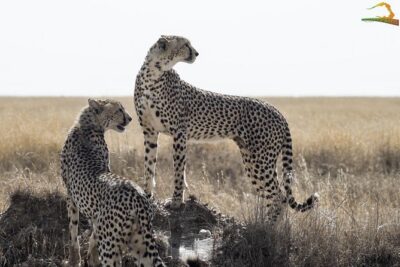
2 Day Serengeti Safari Experience from Mwanza
Read our review →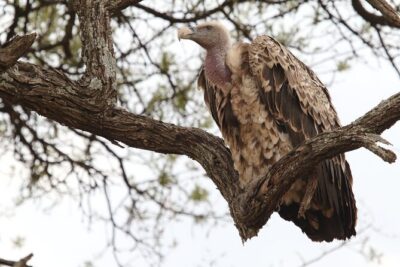
2 Days Tarangire and Ngorongoro Group Camping Safari
Read our review →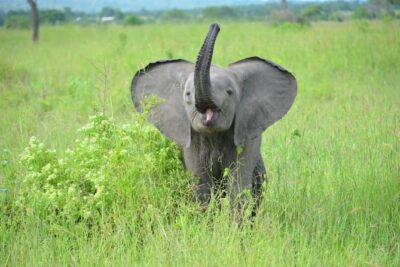
2 Days 1 Night Mikumi National Park from Dar es salaam
Read our review →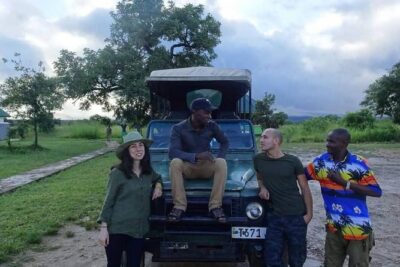
2 Day Safari To Mikumi National Park + transfers from Dar Es Salam
Read our review →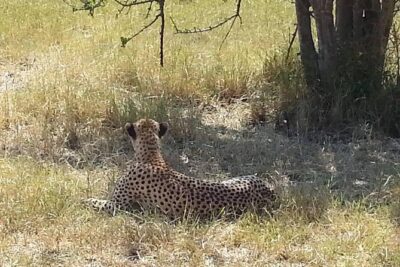
2-Day Private Mikumi National Park Tour with Pickup
Read our review →