
Reviewed · NUNGWI & KENDWA TOURS
Zanzibar: Nungwi Kilosa Zoo Conservation Tour
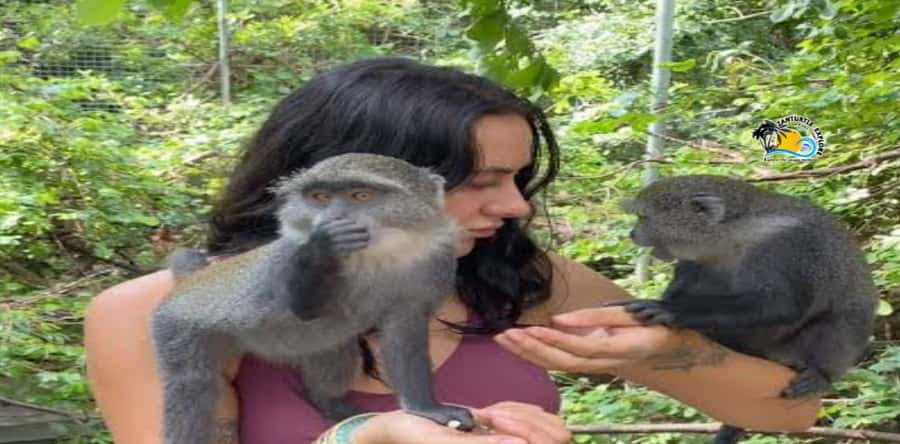
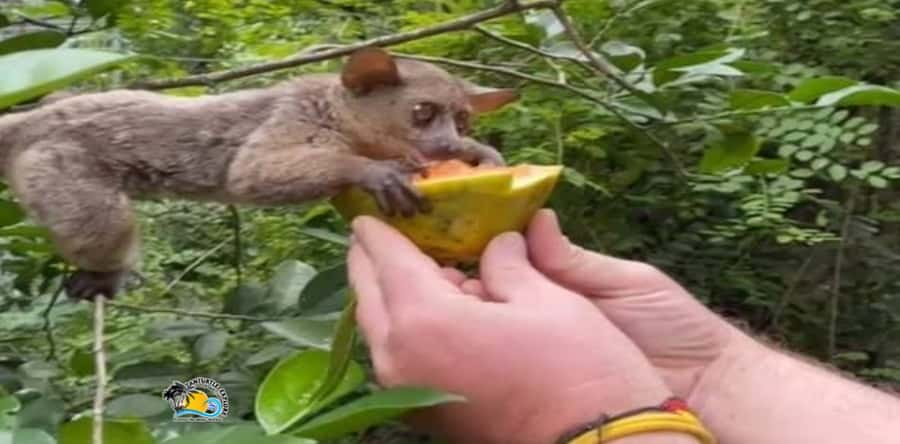
Tiny zoo, serious conservation work in Nungwi. This Kilosas Conservation Center visit is built around hands-on learning, where you can see local wildlife up close, including the Zanzibar red colobus. In just about 2 hours, you get a guided walk that mixes animal viewing with conservation education, plus a chance to touch and feed animals with staff guidance.
I like two things most. First, the focus stays on real conservation: the center works to protect endangered residents and also teach you why plant and animal diversity matters. Second, the tour pacing works for families, and the guide energy is a big part of that, including the memorable Mufasa experience I’d happily repeat.
One thing to consider: the tour includes a welcome bottle of water, but it is not a full refreshment stop. If you tend to get thirsty in the sun, plan to top up before you go.
In This Review
- Key highlights at Kilosas Conservation in Nungwi
- First stop: Nungwi’s Kilosas Conservation Center
- The 2-hour flow: pickup, guided walk, and animal time
- What you’ll see: monkeys, reptiles, tortoises, birds, and more
- Endangered stars: Zanzibar red colobus and Aders’ duiker
- Touch and feed animals, with a guide in control
- Conservation education you can actually use
- Price and value: $45 for a guided conservation visit
- Guide languages and group style that fit real schedules
- What to bring, and what to skip
- Who should book this Zanzibar tour
- Should you book the Zanzibar Kilosas Zoo Conservation Tour?
- FAQ
- How long is the Zanzibar Nungwi Kilosas Conservation tour?
- What is the price per person?
- Do I get hotel pickup and drop-off?
- What’s included in the tour price?
- Are meals included?
- Which languages is the tour guide available in?
- What should I bring?
- Are pets allowed?
Key highlights at Kilosas Conservation in Nungwi
- Endangered-species education focused on local plants and animals, not just animal sightseeing
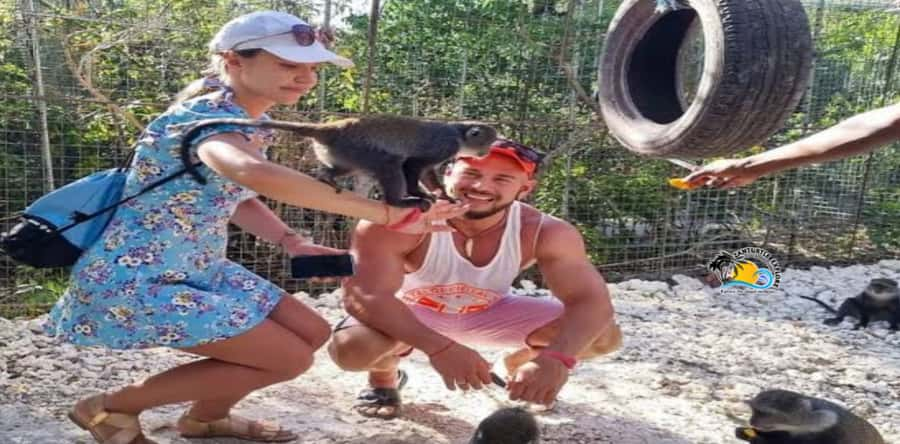
- Up-close animal time, with guided chances to touch and feed
- Zanzibar red colobus monkey and Aders’ duiker as standout species to look for
- Lots of variety in a small setting, including reptiles, tortoises, ostriches, deer, and crocodiles
- Community involvement mindset, aimed at building responsibility for nature
First stop: Nungwi’s Kilosas Conservation Center
Kilosas Conservation in Nungwi is a small, purposeful zoo setup. The big idea is not entertainment first, it is education and a safer environment for species that need protection. You’ll spend your time with a guide, so the visit feels structured instead of random wandering.
From the start, you can tell this is a conservation-focused place. You’re there to learn about the center’s conservation efforts and why preserving local plant and animal life matters on Zanzibar. The tour also connects the dots to community responsibility, which is a nice reminder that conservation is not only for scientists.
A practical note: this kind of facility is best when you’re open to being close to animals and paying attention to what your guide says. If you want only distant viewing and zero interaction, you might find it more hands-on than you expected.
A few more Nungwi trips to compare
- Zanzibar: Nungwi Kilosa Zoo & Swimming with Turtles
★ 4.7 · 4 reviews
The 2-hour flow: pickup, guided walk, and animal time
The tour is scheduled for about 2 hours, and you get hotel pickup and drop-off included. A representative meets you at your hotel lobby or reception area, and you’ll ride to the conservation center with the group, then return the same way after the visit.
Once you arrive, you typically meet the zoo guide and get the run of the grounds as part of the guided tour. This matters because the center has multiple animal areas, plus birds and reptiles, so a guide helps you find what’s most important and helps you understand what you’re seeing.
Because it is guided and interactive, you can expect the visit to feel like an “information plus experience” mix. You see animals including monkeys, reptiles, tortoises, ostriches, deer, and crocodiles, then you get your hands-on moments during the tour when the staff allow it.
One good thing about the timing is that it fits easily into a Zanzibar day. You are not stuck with a half-day commitment that crowds out the beach, Stone Town, or whatever else you planned.
What you’ll see: monkeys, reptiles, tortoises, birds, and more
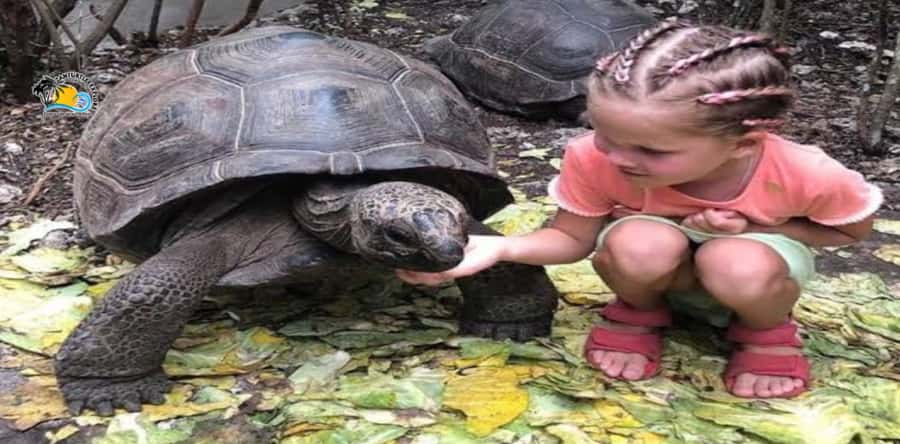
Animal variety is a major reason to pick this tour. Even though the facility is described as small, it does not feel limited. You’ll encounter multiple animal types during the guided walkthrough, which keeps kids and adults interested.
On the animal list, you should expect to see:
- monkeys
- reptiles
- tortoises
- ostriches
- deer
- crocodiles
- various birds
That range is useful because Zanzibar wildlife is not just about one cute species. The guide’s job is to help you notice differences, from behavior to habitat needs, and to connect those observations to the conservation mission of the center.
For photography, bring your camera and a quick strategy. Sun can be strong in Nungwi, so comfortable shoes help you move without slipping, and a sun hat keeps you from fading out halfway through.
Endangered stars: Zanzibar red colobus and Aders’ duiker
The tour highlights include two conservation-focused species: the Zanzibar red colobus monkey and Aders’ duiker. These are not just random zoo animals, they are used to teach why endangered wildlife needs protection and why ecosystems depend on more than one charismatic species.
The red colobus is a standout for a reason. Guides usually build the explanation around how the animal fits into Zanzibar’s natural environment, and why protecting habitats and local biodiversity is the real goal. If you like animals that feel a bit rare and special, this is where your attention should be.
Aders’ duiker adds another layer. Even if you’ve never heard of it before, the tour framing helps you understand how conservation is also about less-famous species. That matters, because protecting biodiversity means giving attention beyond the animals that get the most Instagram love.
This is also where the guided aspect pays off. A good guide helps you spot what’s important, so you notice behaviors and not just shapes.
Same base in Nungwi, a completely different day:
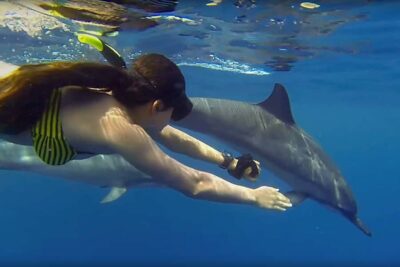
- From Kendwa: Mnemba Boat Trip and Dolphin Snorkel Adventure
★ 4.8 · 1,043 reviews - Zanzibar: Mnemba Island Dolphin and Snorkeling Tour
★ 4.1 · 352 reviews - Zanzibar: Nungwi Turtle Aquarium Guided Half-Day Trip
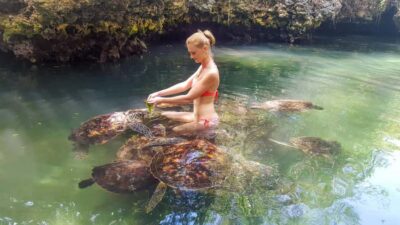
★ 4.4 · 197 reviews - Matemwe: Mnemba Island Dolphin & Snorkeling Boat Trip
★ 4.3 · 152 reviews
Touch and feed animals, with a guide in control
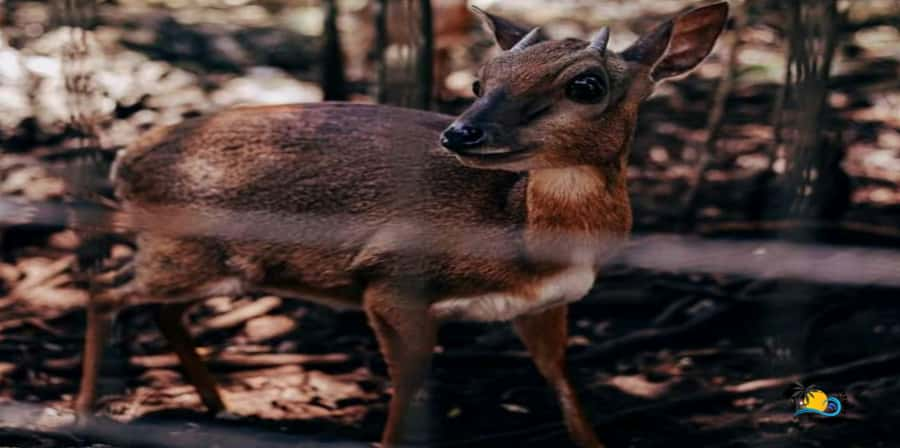
One of the most popular parts of this experience is the chance to touch and feed animals during the tour. In a well-run conservation center, those moments are usually tied to guidance, so you are not just doing random interactions. The tour is set up specifically to let you engage while learning.
In practice, this is the part that turns a zoo visit into a memory. It is also why the guide personality matters. One guide, Mufasa, is specifically highlighted for being cool, funny, and informative, with a big focus on making sure families get what they came for.
For you, here’s the real value of the interaction. It creates a stronger emotional connection to conservation. When you’ve had a safe, guided moment with an animal, the conservation story sticks, because it becomes personal instead of abstract.
Important boundary: pets are not allowed. If you were hoping to bring a dog or cat, you’ll need to arrange care elsewhere.
Conservation education you can actually use
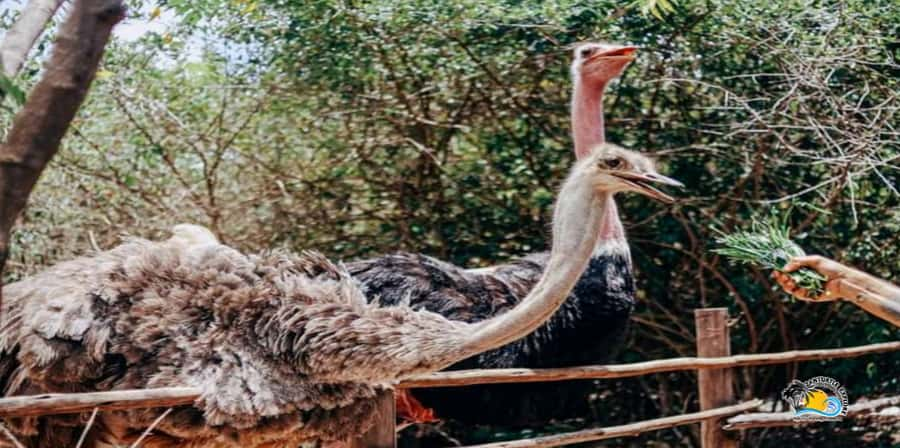
This tour is not just a checklist of animals. The whole point is conservation education about local plants and animals, including endangered species. The center aims to raise awareness and provide a safe environment for the animals it protects.
I like that the education theme includes plants, not only mammals. Many people think conservation is only about big animals. Here, you’re reminded that plant life supports food chains, shelter, and breeding conditions for the rest of the ecosystem.
The center also emphasizes community involvement to foster a sense of responsibility toward nature. That kind of message lands well on Zanzibar because visitors are not just passing through. You’re learning about how local choices and local support affect wildlife survival.
If you are traveling with kids, this is also a smart pick. The educational tone plus the animal interaction keeps attention where it should be, and it gives you more to talk about after the tour ends.
Price and value: $45 for a guided conservation visit
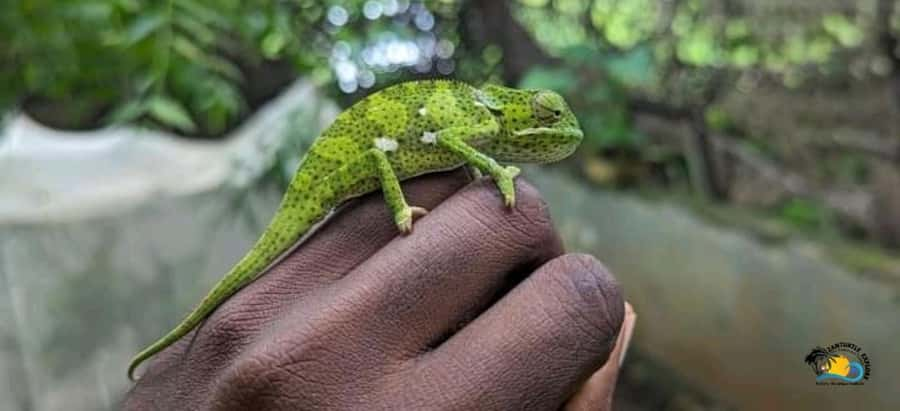
At $45 per person, this tour sits in the mid-range for Zanzibar experiences, but the value is in what’s included. You’re not just paying for entry, you’re paying for a professional guide, hotel pickup and drop-off, and the chance to touch and feed animals under supervision, plus conservation education.
Included items worth factoring:
- welcome bottle of water
- professional tour guide
- entry fee and taxes
- opportunity to touch and feed animals
- conservation education
- hotel pickup and drop-off
What’s not included:
- meals and other drinks
So is $45 worth it? For me, it is if you want a guided, short, high-interaction wildlife experience that also explains the conservation why. If you mainly want a walk-through photo stop with no interaction, you might find better value elsewhere.
For families, the “time efficient plus interactive” angle is a plus. For solo travelers, the guide support helps you get more meaning out of the animals you’re seeing.
Guide languages and group style that fit real schedules
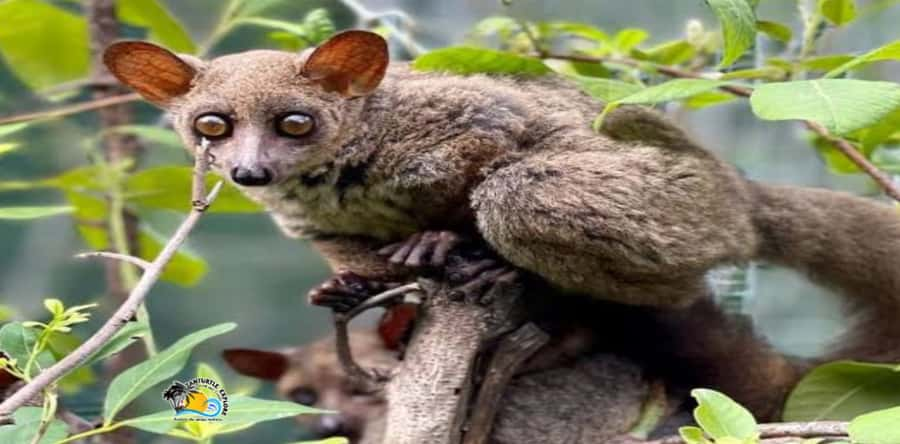
This tour runs with a live tour guide and a wide language menu. You can find Arabic, English, French, German, Italian, Polish, Portuguese, Russian, Spanish, Swahili.
That matters because it affects how much you get from the conservation explanations. With the right language, the tour becomes more than a tour, it becomes a clear lesson on what you are seeing.
The group style is also described as private group. That typically means you can move at a pace that suits your interests, rather than feeling rushed by a bigger crowd dynamic. It can be especially helpful if you’re visiting with kids or if you want more time to focus on monkeys or birds.
What to bring, and what to skip
Bring what makes you comfortable for a short, sun-friendly animal visit. The practical list is:
- comfortable shoes
- sun hat
- camera
Skip pets since they are not allowed.
One more habit I recommend: bring your own extra water if you know you get thirsty. The tour includes a welcome bottle of water, and that’s it. You’ll likely be fine for many people, but Zanzibar heat can be sneaky.
Who should book this Zanzibar tour
I think this tour is best for you if you want:
- a short wildlife activity in Nungwi
- a guided explanation of local conservation
- a chance to touch and feed animals (with staff guidance)
- a family-friendly plan that stays engaging
It is also a good fit if you like seeing endangered species like the Zanzibar red colobus monkey and Aders’ duiker, but you also want to understand the broader conservation message around ecosystems and habitat.
You might want to choose something else if your top priority is only distant viewing with no interaction, or if you want a longer day with multiple stops. This is a focused two-hour experience, so it works best when you treat it like a dedicated wildlife lesson.
Should you book the Zanzibar Kilosas Zoo Conservation Tour?
If you’re on Zanzibar and you want a meaningful, short, guided wildlife experience, I’d lean yes. The combination of conservation education, endangered-species focus, and the hands-on touch and feed moments is what makes the tour feel worth your time.
Book it if you enjoy interaction, learning from the guide, and you want a family-friendly activity that does not swallow your whole day. Skip it if you do not want any animal contact, or if you’re sensitive to heat and prefer a longer break plan with more included refreshments.
When you make your choice, do it with the tour’s sweet spot in mind: two hours, guided, interactive, conservation-forward. That’s the deal here, and when it matches your style, it lands really well.
FAQ
How long is the Zanzibar Nungwi Kilosas Conservation tour?
The tour duration is listed as 2 hours.
What is the price per person?
The price is listed as $45 per person.
Do I get hotel pickup and drop-off?
Yes, pickup and drop-off at your hotel are included.
What’s included in the tour price?
The included items are a welcome bottle of water, a professional tour guide, entry fee and taxes, the opportunity to touch and feed animals, conservation education, and hotel pickup and drop-off.
Are meals included?
No, meals and drinks are not included.
Which languages is the tour guide available in?
The tour guide is listed as available in Arabic, English, French, German, Italian, Polish, Portuguese, Russian, Spanish, Swahili.
What should I bring?
You should bring comfortable shoes, a sun hat, and a camera.
Are pets allowed?
Pets are not allowed.
Just posted around Nungwi
- Zanzibar: Swim with turtles at Nungwi★ 4.3 · 5 reviews
- Zanzibar: Nungwi/Kendwa Beach Sunset Dhow Cruise with Fruits★ 3.4 · 3 reviews
- Zanzibar: Nungwi Village Tour and Culinary Class★ 4.6 · 8 reviews
- Zanzibar: Nungwi Sunset Dhow Cruise with Soft Drinks★ 3.8 · 5 reviews
- Zanzibar: Nungwi Cultural Village Tour and Swim Turtles★ 4.7 · 3 reviews
- Zanzibar: Nungwi Kilosa Zoo & Swimming with Turtles★ 4.7 · 4 reviews
- Zanzibar: Nungwi and Kendwa Sunset Dhow Cruise★ 3.8 · 11 reviews
- Zanzibar: Nungwi and Kendwa Sunset Dhow Cruise with Pickup★ 4.3 · 4 reviews
Nungwi & Kendwa Tours, compared.
Mnemba Boat Trip and Dolphin Snorkel Adventure
Read our review →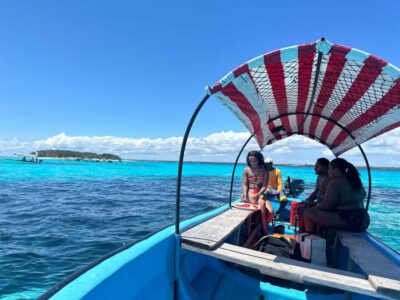
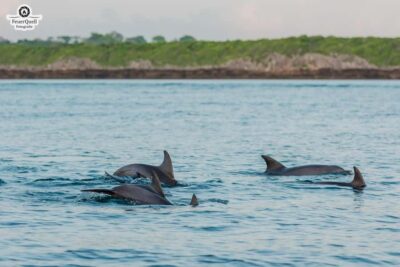
Matemwe: Mnemba Island Dolphin & Snorkeling Boat Trip
Read our review →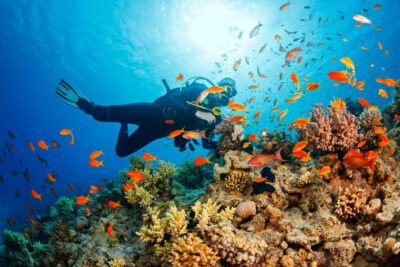
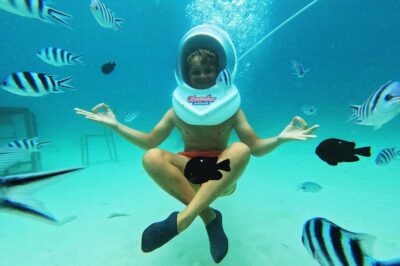
Underwater Walking Experience in Zanzibar,No Swimming Needed
Read our review →
Tumbatu island snorkling tour : from Kendwa & Nungwi
Read our review →Browse the lists this tour appears in