
Reviewed · JOZANI FOREST TOURS
Jozani Forest
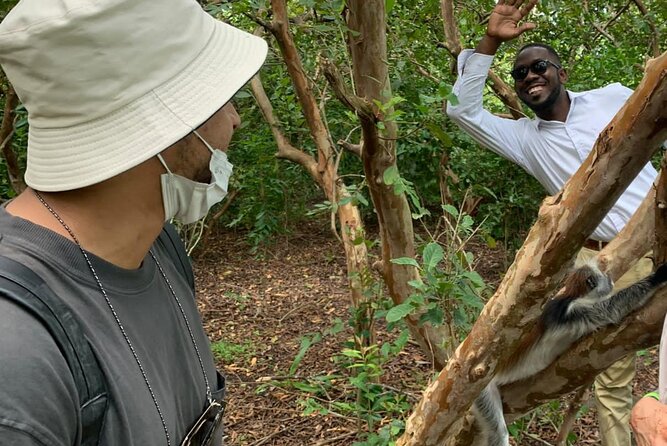
Jozani Forest feels close in a good way, the trees are part of the experience, not scenery. I like that this private half-day outing is built around real wildlife spotting, with Zanzibar’s endemic red colobus as the headline and a guide to help you see more than just movement in the leaves.
What I really appreciate is the focus on private pacing, so you can slow down when monkeys show up, or speed up when you want to cover more trail. And I like that you get both forest habitats and mangroves, which turns it into more than a quick monkey stop.
One thing to consider: this trip needs good weather, so if conditions are poor you may have to shift dates (or get a refund). Also, the total time can run from about 2 to 6 hours depending on how the day goes.
In This Review
- Key takeaways before you go
- Why Jozani Forest Feels Different From a Standard Zoo Stop
- Private Guide, Real Pacing, and Less Guesswork
- Stop 1 at the Red Stage: Where Red Colobus Are the Main Event
- What Makes a Jozani Monkey Walk Actually Interesting
- Beyond Monkeys: Butterflies, Birds, Chameleons, and More
- Mangroves After the Forest: A Second Habitat With Big Rewards
- Timing, Weather, and What to Wear for 2 to 6 Hours
- Getting There Smoothly: Transfers, Vehicle Comfort, and Bottled Water
- Price and Value: Is $100 Per Person Worth It?
- What Wildlife Spotting Really Means Here
- Who This Tour Suits Best (And Who Might Skip It)
- Should You Book Jozani Forest With Suncoast Zanzibar Tours?
- FAQ
- How long is the Jozani Forest tour?
- How much does this Jozani Forest experience cost?
- What’s included in the tour price?
- Is hotel pickup and drop-off included?
- Is this tour private?
- What will I see in Jozani Forest?
- What happens if the weather is poor?
- How can I get a full refund if I cancel?
Key takeaways before you go
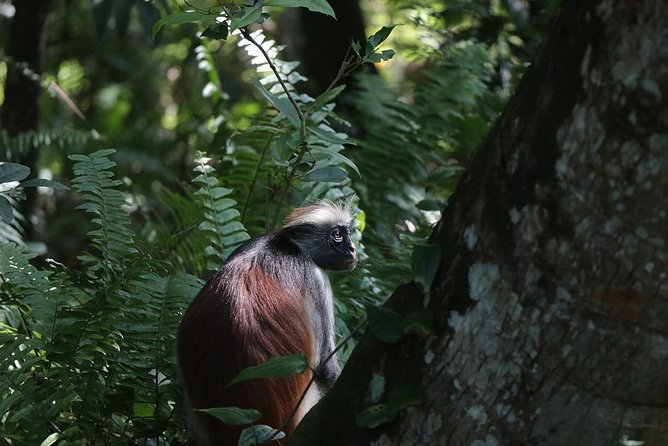
- Red colobus are the star attraction, with roughly 6,000 living in Jozani Forest and a conservation success story behind them
- You’re not just passing through: the guide helps you track wildlife across multiple habitats like swamp forest, evergreen thickets, and mangroves
- Private tour means your pace: you can linger for monkey sightings or keep moving
- Expect more than mammals, including butterflies, birds, chameleons, and even elephant shrews if you’re lucky
- Transfers and admission are handled, including an admission ticket and an air-conditioned vehicle with bottled water
Why Jozani Forest Feels Different From a Standard Zoo Stop
Jozani Forest is Zanzibar’s main place for close wildlife viewing, and that matters. You’re not watching animals behind glass. You’re walking through the same habitats where they live, in swampy forest pockets, through birdy areas, and out toward mangroves.
The headline species is the red colobus, an animal found only on Zanzibar. What makes this tour worth doing is that it’s not random. The whole experience is oriented around helping you spot the monkeys in the places where you’re most likely to see them, then extending the walk so you notice other wildlife too.
And yes, you should expect to see colobus monkeys, including red colobus plus black-and-white colobus. You may also catch glimpses of other forest residents like bush pigs, duikers, suni antelopes, chameleons, and elephant shrews. Even if you don’t spot every species, the guided trail approach makes the forest feel like a living checklist.
More Jozani Forest trips:
- Dolphin tour, Jozani Forest, Jambiani Kuza Cave, Paje Beach &The Rock restaurent
★ 4.5 · 164 reviews - Zanzibar full day Jozani forest + Spice farm and stone town
★ 4.7 · 90 reviews - Jozani Forest, Kuza Cave, Paje Beach and The Rock Restaurant
★ 4.5 · 50 reviews
Private Guide, Real Pacing, and Less Guesswork
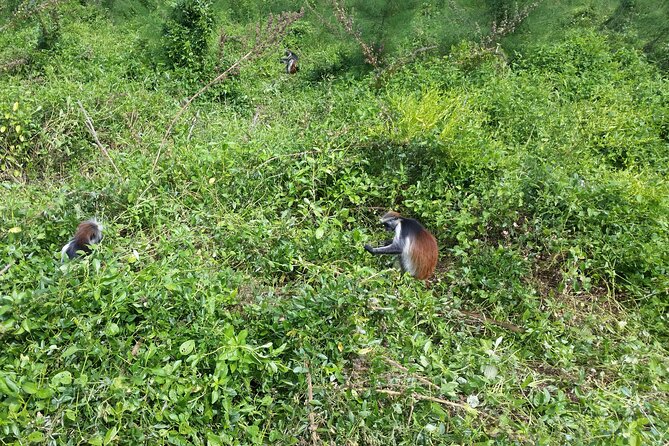
A private tour here is not just a “your own car” upgrade. It’s the difference between wandering and actually finding things.
Your guide helps you read what’s happening in the canopy and at ground level. That’s useful because Jozani is a maze of micro-habitats, not one simple straight path. If you only have a short visit window, it’s smart to spend your time where a guide’s spotting skills matter.
The private setup also gives you flexibility. If you spot monkeys early, you might want to stay put longer for better views. If you’d rather keep moving, you can do that too. It’s a small detail, but it changes the mood of the walk from “rush to the next stop” into “stay present.”
Stop 1 at the Red Stage: Where Red Colobus Are the Main Event
Your visit starts at the Red Stage area near Red Monkey Beach Lodge. This is where Jozani’s reputation becomes real. The forest has about 6,000 red colobus in it, and the conservation story behind them is part of what your guide will likely explain as you settle in.
About 20 years ago, red colobus were considered at serious risk. Since then, conservation work has reversed the trend, and the monkeys are now thriving in the forest again. That context matters while you’re walking, because you’re not just ticking off an animal. You’re seeing a result of protection and habitat work, which gives the experience extra weight.
In practical terms, this first stretch is where you’ll do your best monkey spotting. Expect the guide to help you find colobus in typical zones, manage the walk pace, and point out what to look for when the canopy goes quiet and then suddenly moves.
What Makes a Jozani Monkey Walk Actually Interesting
Monkeys sound simple, but it’s the details that turn a nice walk into a memorable one.
First, colobus behavior is visually distinctive. When they move, it’s not chaotic like some forest primates. They tend to be deliberate, and that gives you a chance to watch patterns. That also means timing helps. A guide who knows where to stand and when to move can make sightings more likely, especially when you have a half-day time budget.
Second, the tour is built around the idea that you’ll see more than one type of primate. The focus is clearly on red colobus, but the experience is also set up for spotting other species, including black-and-white colobus. Depending on the day, you might also spot Sykes and other monkeys in the forest.
Third, you’re walking through several habitats. Jozani isn’t one uniform green screen. It includes swamp forest, evergreen thickets, mangroves, and other areas that support different wildlife. Your guide uses that variety to keep the walk from feeling repetitive, so you can move between “this is a monkey zone” and “this is a bird and butterfly zone.”
A few more Zanzibar City trips to compare
- From Zanzibar: Mikumi Safari Day Trip with Flights and Meal
★ 4.7 · 1,470 reviews - Zanzibar: Stone Town, Spice Tour, Prison Island with Lunch
★ 4.4 · 1,219 reviews - From Zanzibar: Day Selous Game Reserve Safari with Flights
★ 4.7 · 1,025 reviews - Quad Adventures in Zanzibar: Nungwi / Kendwa
★ 4.9 · 640 reviews
Beyond Monkeys: Butterflies, Birds, Chameleons, and More
The best part of a good nature guide is that they make the forest feel busy. Even when you’re waiting for a monkey to reappear, there’s usually something worth looking at.
On this tour, you’re specifically set up to notice butterflies and birds. And you’re not limited to the dramatic animals. The forest includes reptiles like chameleons, plus small mammals such as elephant shrews. There are also larger residents that are harder to see but still part of the ecosystem, including bush pigs and duikers, like Ader’s duiker and suni antelopes.
One way to get more from these walks is to think of the guide as your translator. When you hear what your guide is pointing out, you start noticing patterns too: where birds like to feed, what kind of movement signals something alive rather than wind, and how canopy cover changes what you see.
This is also why the private pacing works. If you keep moving too fast, you miss the short windows where butterflies land, birds call, or a chameleon chooses that one perfect moment to sit still.
Mangroves After the Forest: A Second Habitat With Big Rewards
After the main forest section, the tour includes time in the mangroves. This is a great “second act,” because mangroves feel different in sound and texture. The light changes. The air feels different. And the water-and-roots world gives you a new set of things to watch.
Mangroves are also where the ecosystem becomes very hands-on. Even if you don’t see animals constantly, the environment itself is worth paying attention to. Trees with tangled roots, birds that use the edges, and that slightly otherworldly feeling you get when the forest turns into a shoreline system.
If you’ve only planned a quick monkey stop, keep in mind that the mangroves are part of what makes this outing feel like a real experience. The best days are the ones where you leave with a sense of the full place, not just one sighting.
Timing, Weather, and What to Wear for 2 to 6 Hours
The stated duration is flexible, about 2 to 6 hours. That range is normal for wildlife walks, because animals do their own scheduling.
Weather matters here. The tour requires good weather, and if conditions are too poor, you’ll be offered another date or a full refund. That’s important because forest trails can get slick, and visibility can drop when it’s heavy rain or low light.
Bring practical gear:
- Comfortable walking shoes you don’t mind getting a bit dusty
- A light rain layer if there’s any chance of showers
- Sun protection, because the open moments in forest edges still hit hard
One more practical point: this is a half-day tour, so don’t plan something tight right after it. You may finish late if monkey spotting takes longer, or if you spend time in the mangroves because they’re interesting that day.
Getting There Smoothly: Transfers, Vehicle Comfort, and Bottled Water
A big reason people enjoy this tour is that it’s low friction. Pickup is offered, and you get transfers to and from your hotel. You’re also in an air-conditioned vehicle, which is a relief in Zanzibar heat.
There’s bottled water included, and you can count on having that small comfort buffer during a forest walk. You’ll appreciate it more than you think once you’re walking and watching and thinking you’ll only be out for a little while.
The tour also uses a mobile ticket, which is handy for a simple check-in day. And it’s private, meaning only your group participates, so you’re not stuck waiting on other people’s pace.
Price and Value: Is $100 Per Person Worth It?
At $100 per person, the value depends on what you compare it to.
Here’s what you’re getting for the money:
- Hotel pickup and drop-off
- An air-conditioned vehicle
- Bottled water
- All fees and taxes included
- Admission ticket included
- A private guide to help you spot wildlife at the right spots
If you were doing this on your own, you’d still need transport, an admission ticket, and some form of local guiding if you actually want to spot red colobus and more than one species. This package removes the “I hope I can figure it out quickly” stress and keeps your time focused on walking.
Is it pricey? It’s not cheap. But it’s also not just a casual stroll. The tour is designed around the red colobus experience, plus a mangrove walk and multiple wildlife categories, with fees handled so you can stay relaxed.
What Wildlife Spotting Really Means Here
Wildlife experiences always have a reality check: animals might not show up on your schedule. Still, Jozani is one of those places where you have strong odds because red colobus are a central part of the forest ecosystem and conservation success.
Think in terms of probabilities rather than guarantees:
- If your goal is mainly red colobus, this is aligned with that goal.
- If you’re curious about birds, butterflies, chameleons, and forest mammals, the walk structure supports that curiosity.
- If you’re hoping to interact with monkeys directly, manage expectations. You’re walking in their habitat, and your best contribution is patience and quiet observation.
A tip for better viewing: don’t treat the first sighting as the only one. Colobus can move, and with a guide’s timing you may get additional chances for better views without rushing.
Who This Tour Suits Best (And Who Might Skip It)
This is a strong match if you:
- Want to see Zanzibar’s endemic red colobus
- Prefer a private, guided pace over group logistics
- Like nature walks that include more than one habitat, forest plus mangroves
- Appreciate a conservation story that connects to what you’re actually seeing
It might be less ideal if you:
- Want a purely beach-based day with no walking time
- Are dealing with serious mobility limits, since this is a nature walk in natural terrain
- Need guaranteed perfect weather, because the tour depends on good conditions
Should You Book Jozani Forest With Suncoast Zanzibar Tours?
I think this is a book-worthy half-day in Zanzibar if your schedule allows it. The combination of endemic red colobus spotting, other wildlife categories, and mangroves makes it feel like you’re getting value for your walking time. The private format and hotel transfers also help, because they reduce the friction that can turn a nature day into a logistics day.
If you’re deciding between a DIY taxi ride and a guided setup, I’d lean guided here. Jozani rewards attention, and a guide helps you make that attention count. Just be realistic about wildlife viewing, pack for possible rain, and treat it like a patient forest walk rather than a ticketed show.
FAQ
How long is the Jozani Forest tour?
The duration is approximately 2 to 6 hours.
How much does this Jozani Forest experience cost?
The price is $100 per person.
What’s included in the tour price?
It includes air-conditioned vehicle transport, bottled water, admission ticket (included), and all fees and taxes.
Is hotel pickup and drop-off included?
Pickup is offered, and the tour includes transfers to and from your hotel.
Is this tour private?
Yes. It is a private tour, and only your group participates.
What will I see in Jozani Forest?
You can look for red colobus monkeys, black and white colobus monkeys, other species, plus butterflies and birds. The forest also includes habitats such as swamp forest and mangroves.
What happens if the weather is poor?
The tour requires good weather. If it’s canceled due to poor weather, you’ll be offered a different date or a full refund.
How can I get a full refund if I cancel?
You can cancel up to 24 hours in advance for a full refund. Cancellation less than 24 hours before the start time is not refunded.
Just posted around Zanzibar City
- Mnemba Private Snorkeling Experience★ 5.0 · 4 reviews
- Serengeti & Ngorongoro 3 days Fly Safari in from Zanzibar★ 5.0 · 21 reviews
- Zanzibar Full Day experience★ 4.5 · 5 reviews
- Private Zanzibar Stone Town Historical Tour★ 5.0 · 13 reviews
- Zanzibar’s Finest: Private Tour of Top 5 Attractions with Lunch★ 4.5 · 9 reviews
- Full-Day Stone Town and Prison Island Tour in Zanzibar★ 4.0 · 9 reviews
- Zanzibar Spices Farms Tour (Private)★ 5.0 · 3 reviews
- Zanzibar Spice Tour★ 5.0 · 9 reviews
Jozani Forest Tours, compared.
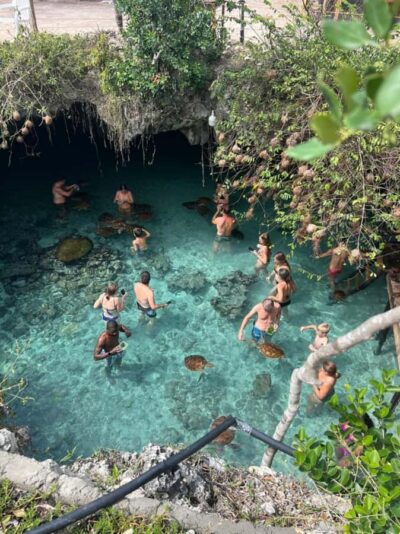
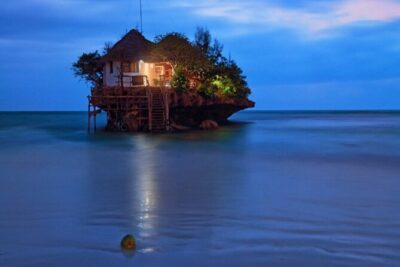
Dolphin tour, Jozani Forest, Jambiani Kuza Cave, Paje Beach &The Rock restaurent
Read our review →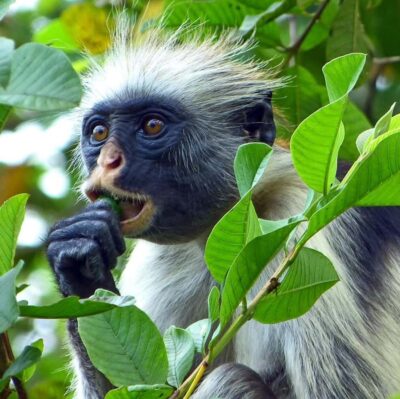
Zanzibar full day Jozani forest + Spice farm and stone town
Read our review →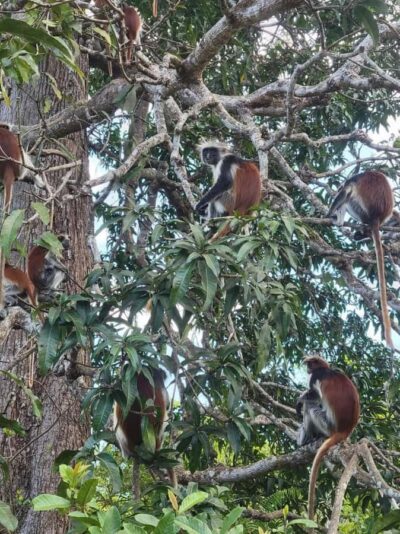
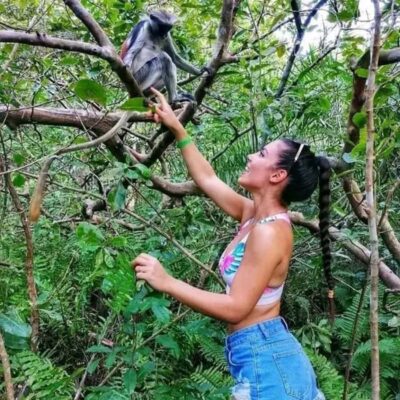
Red Colobus Monkeys in Jozani Forest Guided Tour
Read our review →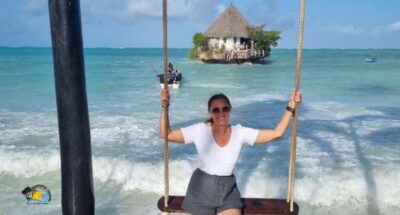
Jozani Forest, Salaam Cave & The Rock Restaurant
Read our review →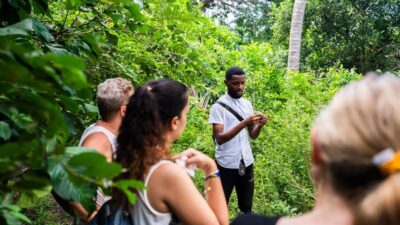
Prison Island, Tortoise, Jozani Forest Guided Tour
Read our review →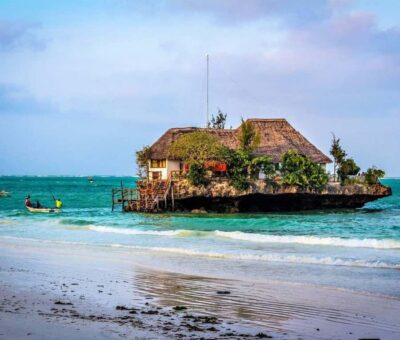
The Rock, Paje Beach, Jozani Forest, Salaam Cave
Read our review →Browse the lists this tour appears in