Reviewed · ZANZIBAR TOURS
Jambiani Village Women at work and play
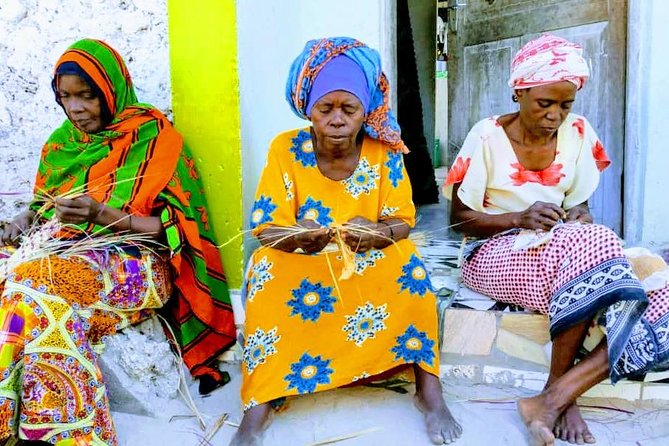
Woven rope starts the story. In Jambiani, you meet women at work and play, guided by someone from the village so the visit feels personal instead of staged. I like that the focus stays on real daily skills, from seaweed harvesting to home craft, not a quick photo stop.
My favorite part is the combination of hands-on demonstrations and simple cultural lessons like how to wear a kanga and where makuti weaving fits into village life. One thing to consider: you’ll be walking through homes and coastal paths, so if you can’t manage more than about 2 km, this isn’t a great fit.
In This Review
- Key highlights you will actually feel
- Where Jambiani goes beyond a craft booth
- Price and what you get for $32.65
- Entering the village: homes, workspaces, and the way the tour flows
- Stop 1 in detail: the women, the crafts, and the seaweed link
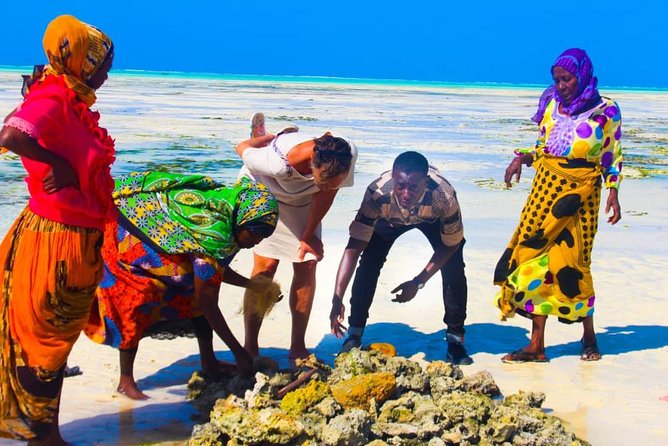
- Seaweed collection and cultivation at the beach
- Coconut husk rope and doormats from beach materials
- Palm leaf and makuti weaving
- Kofia sewing and traditional headwear
- Learning the kanga: a practical cultural lesson
- Henna painting for a little fun
- Lunch in a woman’s home: worth it, but timing matters
- The small things that make it feel authentic
- Your guide experience: why a local name matters
- Group size, privacy, and how flexible you can be
- Practical tips so you enjoy it (not just tolerate it)
- Wear good shoes
- Bring respect and patience
- Plan around weather
- Consider transport timing from Stone Town
- Who should book this tour
- Should you book Jambiani Village Women at work and play?
- FAQ
- How long is the Jambiani village tour?
- Is the tour private or shared?
- What is included in the price?
- Can I add lunch?
- Is pickup available from Stone Town?
- What if I have dietary restrictions?
- Is the tour easy to walk?
- What is the cancellation policy?
- What happens if weather is bad?
Key highlights you will actually feel
- Village-led guiding: Often led by locals like Ameir, which changes the tone from tourist to neighbor.
- Seaweed collection and cultivation: You’ll see women working the shoreline, then connecting that harvest to products made from coconut husks.
- Coconut husk rope and doormats: Watch fiber work that turns beach waste into everyday tools.
- Makuti and palm leaf weaving: You’ll see how roof material and household items get made.
- Kanga, kofia, and henna: You get both practical clothing instruction and fun body art like henna painting.
- Lunch is possible, but plan ahead: You can arrange lunch in a woman’s home with 48 hours notice (extra cost).
Where Jambiani goes beyond a craft booth
Jambiani is the kind of Zanzibar place where life is linked to the coast. That matters here, because the tour is built around how women earn, learn, and share inside that setting. You are not just walking past stalls. You are moving through homes and workspaces where you can see what happens day after day.
I especially like the pacing. The visit is long enough to show multiple crafts in context, but short enough that it still feels like a local afternoon, not an all-day production. At roughly 2 to 3 hours, it works well as a “real Zanzibar” block between slower beach time.
Also, it is a private experience, so you can ask more questions without feeling like you are sharing your attention with a busload of strangers. That flexibility is useful when you want to see one craft longer, or when the children are around and you want to handle the moment respectfully.
A few more Zanzibar trips to compare
- From Zanzibar: Mikumi Safari Day Trip with Flights and Meal
★ 4.7 · 1,470 reviews - Zanzibar: Quad Bike Adventure departing from Kendwa or Nungwi
★ 4.9 · 1,233 reviews - Zanzibar: Stone Town, Spice Tour, Prison Island with Lunch
★ 4.4 · 1,219 reviews
Price and what you get for $32.65
At $32.65 per person, this is priced like a small, community-based activity rather than a big-ticket excursion. The value comes from two places.
First, you get a private local guide who hails from the village. That is the difference between watching someone work and understanding how that work fits into daily life, with the context explained in a way outsiders often miss.
Second, the experiences you see are linked: seaweed work connects to coastal life, coconut husks connect to rope and doormats, and weaving connects to materials and shelter. In other words, you are seeing a system, not random souvenirs.
You should also factor in how you will handle transport. Pick up from Stone Town hotels is available for an extra charge starting at $45. If you are already staying closer to Jambiani, you may avoid that fee. If you do need pick up, your total time should include the ride, since the craft and home visits themselves take a limited window.
Entering the village: homes, workspaces, and the way the tour flows
The tour starts with a walking visit around Jambiani that brings you to several women’s homes. This is not a museum vibe. You step into spaces where you can see everyday items in use, and where the crafts are tied to household needs.
You will typically meet women artisans who make things like coconut husk rope and doormats, plus other items connected to palm leaf and makuti weaving. You can expect the guide to explain what you are seeing as you move from point to point, with plenty of chances to ask about materials, tools, and what takes time versus what is done quickly.
One practical note: the route is not described as gentle stroll-only. The tour is not recommended for travelers who cannot walk more than 2 km, so if you get easily tired on uneven ground, plan for a slower pace and wear supportive shoes.
Stop 1 in detail: the women, the crafts, and the seaweed link
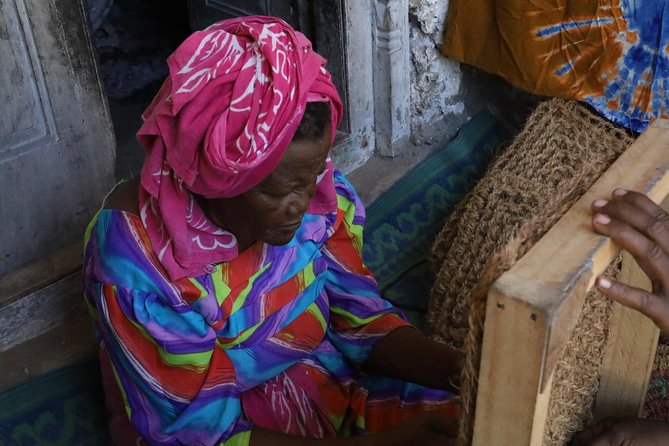
This experience is centered on one main visit, and it is a good one. The best part is the mix of coastal farming and craft production, because it shows how the shoreline supports household economies.
Same base in Zanzibar, a completely different day:
- From Zanzibar: Day Selous Game Reserve Safari with Flights
★ 4.7 · 1,025 reviews - Zanzibar: Prison Island and Nakupenda Boat Trip with Lunch
★ 4.1 · 882 reviews - Skydive Zanzibar | Tandem Skydive
★ 5.0 · 877 reviews - Quad Adventures in Zanzibar: Nungwi / Kendwa
★ 4.9 · 640 reviews
Seaweed collection and cultivation at the beach
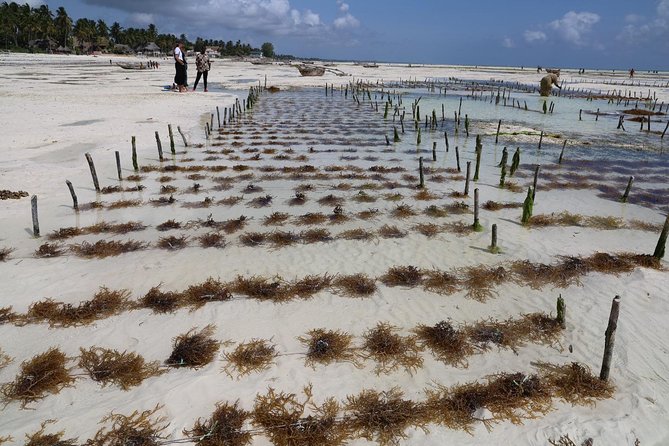
You’ll head to the beach where women collect seaweed and also learn about its cultivation. This is a rare moment in Zanzibar where the tour points at the work happening right on the waterline, not just the view from it.
What I like here is that it gives you a grounding story. Seaweed farming is part of food and income in coastal communities, and it helps you understand why the rest of the craft production makes sense in the same ecosystem. Even if you only get a brief look, it changes how you see the beach after the tour.
Coconut husk rope and doormats from beach materials
Next comes one of the most memorable connections in the whole experience: women make coconut rope and doormats using husks collected on the beach.
Coconut husk work looks simple until you see the repetition and patience in the making. Watching someone twist, shape, and turn rough fiber into something useful makes the craft feel earned, not decorative. If you’ve ever wondered why certain materials survive the humidity and wear of coastal life, this is where that answer becomes visible.
Palm leaf and makuti weaving
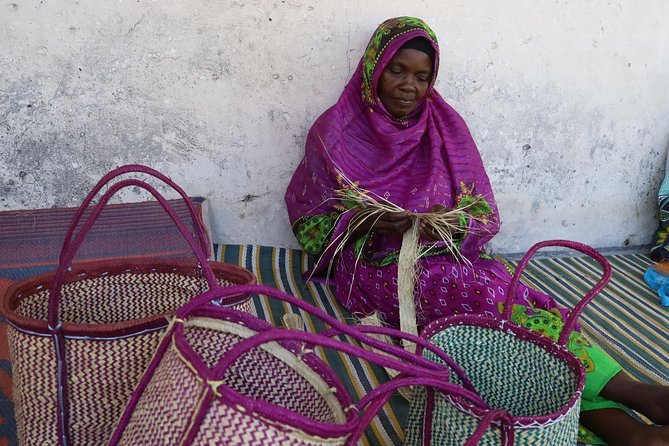
Then you’ll see palm leaf and makuti weaving. Makuti is widely used in Zanzibar for roofing materials, so this craft has a real building purpose. Even if you never buy anything, you’ll start to recognize the role of weaving in shelter and household function.
This segment is also a good time to slow down and look closely at the tools and techniques. The guide’s explanations help you spot what is hands-on versus what is learned over time.
Kofia sewing and traditional headwear
You’ll also get handmade kofia sewing. That adds variety, because it moves from fiber and structure into more detailed garment-style work. Kofia pieces are often tied to culture and identity, so it helps balance the more utilitarian crafts like rope and mats.
If you enjoy learning how clothing and headwear connect to local tradition, this is a nice change of pace.
Learning the kanga: a practical cultural lesson
One of the tour’s best cultural moments is the demonstration on how to wear a kanga. A kanga is not just fabric. The way it is wrapped and styled can reflect local norms and daily routine.
The guide walks you through the basics, and you’ll understand it better because you see it explained right next to the people who use it. This is the kind of thing that is hard to learn from photos or a quick read, and it is easier to remember because it is demonstrated in context.
Henna painting for a little fun
There is also the option to experience henna painting. Even if you do not keep the paste on for long, it’s a lighthearted touch that fits the day’s theme of women at work and play. It also helps you relax during the craft-heavy parts, since you are getting a hands-on artistic moment rather than only watching.
Lunch in a woman’s home: worth it, but timing matters
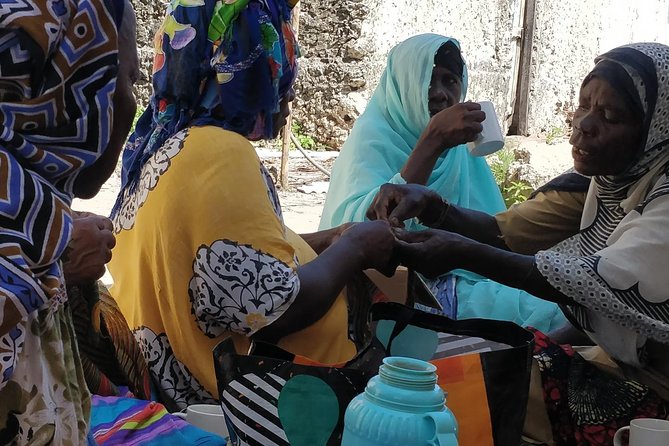
Lunch is an option at extra cost. The key detail is planning: you’ll need 48 hours notice to arrange it in a woman’s home, and you should tell the guide about any dietary requirements in advance.
Is it worth it? For the right traveler, yes. Lunch inside a home takes the visit from observation to participation. You also get a more complete picture of how the day works, since food preparation and family routines are tied to the same spaces where weaving, sewing, and rope-making happen.
The main drawback is the same thing that makes it special: it requires coordination. If your schedule is tight and you cannot give advance notice, you might skip lunch and keep the tour to its main craft flow.
The small things that make it feel authentic
I always pay attention to how tours treat people, not just how they sell activities. This one leans on relationship and explanation, and that comes through in the way it is structured.
A detail I like from feedback shared by previous visitors is how guides explain the work clearly and keep the conversation going. Another repeated theme is the community feeling, including chances to meet children in the neighborhood and see daily life beyond production.
That authenticity also shows up in the choice of crafts. The tour highlights coconut husk rope, doormats, palm leaf and makuti weaving, and handmade kofia sewing. These are not the generic “Zanzibar trinkets” that you see everywhere. They are the kinds of items that come from local materials and local needs.
Your guide experience: why a local name matters
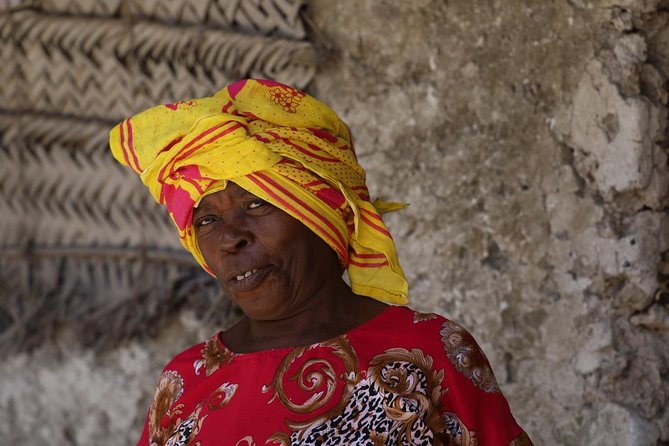
The tour is led by a local guide from the village. In at least one case described, the guide is Ameir, and his role is to connect the dots for you as you move between homes and activities.
This matters because you will often hear the “why,” not just the “what.” Why a craft uses that material. Why women’s work is organized in certain ways. Why clothing like a kanga has its own rules. When those answers come from someone who lives the culture, the visit feels grounded.
It also helps you feel less like an outsider stepping into a showroom. You are there to learn, ask questions, and watch people work with their own normal rhythm.
Group size, privacy, and how flexible you can be
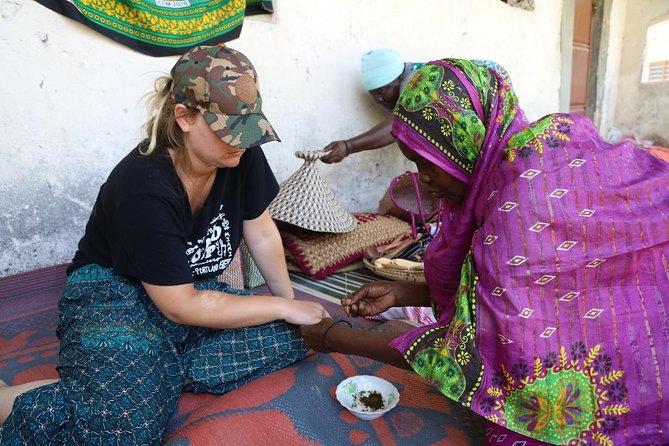
This is a private tour, so only your group participates. That makes a difference when you want to move at your own pace, especially if you get curious about one craft more than another.
Also, you can often adjust your experience based on interests. If you care more about sewing, you can linger a touch longer. If you prefer the seaweed segment, you can focus on that coastal explanation. Privacy turns the tour into a conversation rather than a checklist.
The tour duration is listed as 2 to 3 hours, and you should also plan for some variability based on how active the women are that day and how the route timing works. If your schedule is tight, give yourself some breathing room.
Practical tips so you enjoy it (not just tolerate it)
A little preparation goes a long way on a village walk.
Wear good shoes
You should be ready for walking through village areas and between homes. If you’re unsure, bring footwear with grip. Expect uneven ground.
Bring respect and patience
You will be stepping into real work spaces. That means you should follow the guide’s lead and avoid rushing people mid-task. If the women are demonstrating, let them finish the steps they are showing you.
Plan around weather
The experience requires good weather. If weather is poor, it can be canceled and you’ll be offered a different date or a full refund. In coastal Zanzibar, rain can change conditions fast, so keep a flexible schedule if you can.
Consider transport timing from Stone Town
If you want pick up from Stone Town, it starts at $45. That’s a real cost, so I suggest you factor it in early. Also, the ride time can be longer than you expect, so do not schedule other tight plans immediately before or after.
Who should book this tour
This is a strong choice if you want an authentic Zanzibar experience that focuses on daily work, not just highlights.
You’ll probably love it if you:
- enjoy cultural learning with practical demonstrations
- care about women-led craftsmanship using local materials
- want a short, meaningful activity rather than a long day trip
- like private tours and want a more personal conversation with a guide
You might skip it if:
- you cannot walk more than about 2 km
- you cannot provide 48 hours notice for lunch planning and you were hoping for that meal
- you want a high-comfort, low-walking experience
Should you book Jambiani Village Women at work and play?
If your idea of a great Zanzibar day includes learning from real local people, this is a yes for most travelers. The private guide from the village, the mix of seaweed farming and coconut husk crafts, and the cultural lessons around kanga wear are exactly the kind of combination that makes the experience feel specific to Jambiani, not interchangeable with any other “craft tour.”
The only solid reason to hesitate is logistics. If you need easy mobility or you are strict about timing, the walking and the weather dependency can be a mismatch. If you can handle a village-style walk and you plan transport with care, this tour offers strong value for the money and a genuinely human sense of place.
FAQ
How long is the Jambiani village tour?
It runs about 2 to 3 hours.
Is the tour private or shared?
It is a private tour/activity, so only your group participates.
What is included in the price?
The price includes a private local guide. Admission ticket access is listed as free for the tour.
Can I add lunch?
Yes, lunch can be arranged in advance in one of the women’s houses for an extra cost, but you need 48 hours notice and you should share any dietary requirements.
Is pickup available from Stone Town?
Pickup is available from your Stone Town hotel for an extra charge starting at $45.
What if I have dietary restrictions?
You should tell the guide when requesting lunch, since dietary requirements are needed to prepare the meal.
Is the tour easy to walk?
The tour is most suitable for travelers who can walk more than 2 km. It is not recommended if you cannot walk more than 2 km.
What is the cancellation policy?
Free cancellation is available. You can cancel up to 24 hours in advance for a full refund, and changes made less than 24 hours before the start time are not accepted.
What happens if weather is bad?
If the tour is canceled due to poor weather, you will be offered a different date or a full refund.
Just posted around Zanzibar
- Stonetown Private Half-day Walking Tour★ 5.0 · 21 reviews
- Full Day Safari to Mikumi National Park from Zanzibar with Lunch★ 4.5 · 3 reviews
- Dolphin Watching Tour & Josani Forest Sea Trip – Zanzibar★ 4.5 · 3 reviews
- Come and taste the Zanzibar feelings★ 5.0 · 12 reviews
- Cooking Class Tour★ 5.0 · 9 reviews
- Cultural Walking Tour through Stonetown, a UNESCO World Heritage Site★ 4.5 · 14 reviews
- Private Catamaran – Stone Town Islands & Sandbanks (5 hrs)★ 5.0 · 10 reviews
- Cave Tour & Rock Restaurant Visit★ 3.5 · 5 reviews
Zanzibar Tours, compared.

Mikumi Safari Day Trip with Flights and Meal
Read our review →
Stone Town, Spice Tour, Prison Island with Lunch
Read our review →
Prison Island and Nakupenda Boat Trip with Lunch
Read our review →

Mnemba Island: Dolphin Swim & Snorkeling with Optional Lunch
Read our review →