
Reviewed · SELOUS & NYERERE SAFARIS
10 days Safari to Nyerere NP, Ruaha NP, Udzungwa NP and Mikumi NP + Isimila Site
Four parks, one big safari rhythm. This route keeps changing your “where am I now?” feeling, from Great Rufiji River boat time to Sanje Waterfall hiking. I especially like how the days mix classic game viewing with a walking safari that gets you closer to tracks and small things you usually miss.
You also get solid variety in habitat: river safari, savannah drives, and then a mountain forest hike with monkeys. One consideration: the overland days are long, so if you get car-sick or hate transit, you’ll want to mentally plan for rougher travel hours.
In This Review
- Key Highlights at a Glance
- Why This Southern Circuit Route Works So Well
- Selous Game Reserve and the Great Rufiji River Boat Safari
- Where You’ll Stay in Selous
- Full-Day 4×4 Game Drives in Selous: Photo Angles and Big-Reserve Variety
- Morogoro Region Wilderness Walking Safari with an Armed Ranger
- Ruaha National Park from Hilltop Lodging: Lions, Kopjes, and Water
- Three Styles of Ruaha Game Drive Days
- Udzungwa Mountains National Park: Sanje Falls, Altitude Views, and Monkey Spotting
- Who You Might See in Udzungwa
- Isimila Stone Age Site: Fossils, Tools, and a Canyon Walk
- Mikumi National Park and the Mkata Floodplain: Big Open Views and Birdlife
- Where You’ll Stay in Mikumi
- Maasai Boma Visit and Returning to Dar es Salaam
- Price and What You’re Actually Buying for $2,898
- Best-Fit Travelers, and Who Should Think Twice
- Should You Book This 10-Day Safari?
- FAQ
- What does this safari include in terms of parks and sites?
- Where does the trip start and finish?
- How long is the experience?
- What is the meeting time?
- Are park fees included?
- Is pickup and drop-off included?
- Are meals included?
- What is not included in the price?
- Do they offer vegetarian meals?
- Can I cancel and get a full refund?
Key Highlights at a Glance
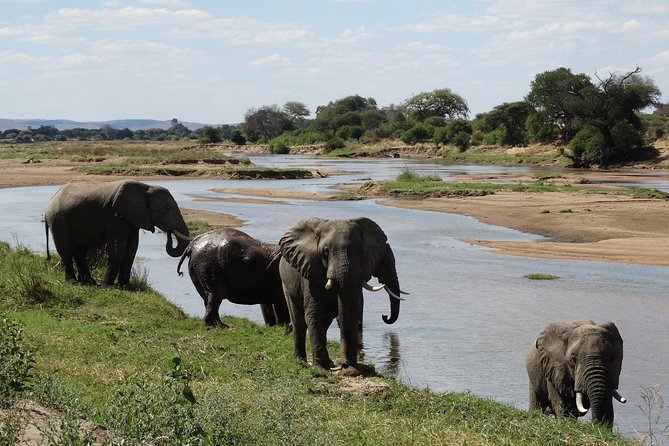
- Boat safari on the Rufiji for hippos, crocodiles, and birds at very close range
- 4×4 game drives in Selous and Ruaha in huge protected areas with frequent wildlife encounters
- Armed-ranger walking safari near Morogoro, built for seeing tracks and details
- Udzungwa hike to Sanje Waterfall (170m) plus a chance at several monkey species
- Isimila Stone Age Site canyon walk with a museum stop for fossils and tools
- Mikumi’s open Mkata Floodplain for wide views, birds, and the big Tanzanian safari mix
Why This Southern Circuit Route Works So Well
This safari is built on contrast. You start with the river theater in Selous, then move inland to Ruaha’s big savannah energy, and finish with Udzungwa’s mountain forest before settling into Mikumi’s open floodplain style of wildlife viewing.
For you, that matters because animal behavior changes by habitat. Along rivers you get drinking crowds, on savannah you get predator timing, and in forest terrain you get a different set of sights like monkeys and waterfall plunge pools.
More Safaris in Dar es Salaam
- 2 nights 3 days safari to mikumi national park
★ 5.0 · 62 reviews - 3 Days Safari to Mikumi NP – Accommodation Inside the Park
★ 5.0 · 40 reviews - 2 Days and 1 Night Mikumi Safari Private Tour
★ 5.0 · 32 reviews
Selous Game Reserve and the Great Rufiji River Boat Safari
Selous Game Reserve is enormous, listed as Africa’s largest game reserve at 50,000 square kilometers. That scale shows up in your experience because you’re not just “passing through,” you’re moving through real space where wildlife has room.
The first big wow is the afternoon boat safari along the Great Rufiji River. This is one of those Tanzania moments where animals come to the water, and you watch that routine from inches away rather than from a far-off viewpoint. You can expect close views of hippo and crocodile, plus lots of birdlife. Elephants, waterbuck, and other animals may appear near the banks, depending on where you are on the river.
Practical note: a boat safari is physical in a different way. Even if you’re seated, you’ll want to keep your camera ready and your legs braced for sudden excitement when an animal surfaces closer than expected.
Where You’ll Stay in Selous
You’re based at Mloka Safari Lodge or Africa Safari Camp. Lodges like these typically balance comfort with safari practicality, which you’ll appreciate when you’ve had a long drive and want rest before a game-driving day.
Full-Day 4×4 Game Drives in Selous: Photo Angles and Big-Reserve Variety
The next day is a full day of game driving by 4WD in Selous. This is where the reserve’s size becomes a plus for you, because you can explore different sections and not just repeat the same short loop.
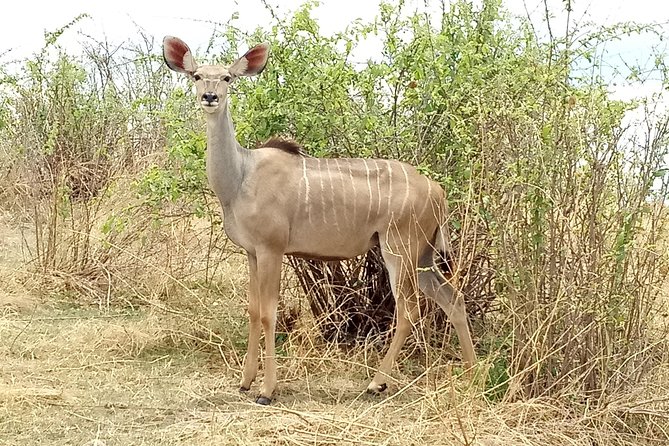
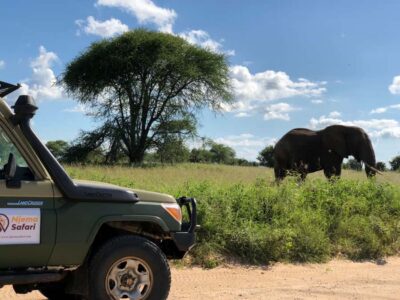
Selous is especially known for elephants, and you’ll also want to keep an eye out for lions, wild dogs, buffalo, bushbuck, impalas, elands, zebras, wildebeest, greater kudu, and baboons. That’s a solid mix, but what I like is the promise of photographic opportunities. A good driver and guide matters here because animals react to where you are and how quietly you move.
If you’re serious about photos, this is also the time to be patient with spotting. The best shots in big reserves often come after a quiet stretch where you learn where animals are likely to cross and drink.
More Safaris in Mikumi
- 2 Days – Mikumi safari depart from Zanzibar or Dar es salaam
★ 5.0 · 21 reviews - 2 Days Mikumi National Park Safari From Dar es salaam or Zanzibar
★ 5.0 · 21 reviews - 1 Day Safari to Mikumi National Park
★ 5.0 · 20 reviews - 3 Days Safari at Mikumi National Park Southern circuit of Tanzania
★ 5.0 · 16 reviews
Morogoro Region Wilderness Walking Safari with an Armed Ranger
After the savannah days, you shift to something more intimate in the Morogoro Region. Your morning starts with tea or coffee, then you go out for a wilderness walking safari guided by an armed ranger for two to two and a half hours.
This is the kind of safari day that rewards slow attention. You’re not just looking for the big animals. You’re watching footprints and droppings, noticing smaller creatures, and learning how the environment tells the story even when you do not see the animal itself.
The practical upside for you: walking safari often makes later game drives feel richer. When you understand how animals move in the bush, you read the landscape faster, and you understand why a lion might be where it is.
Ruaha National Park from Hilltop Lodging: Lions, Kopjes, and Water
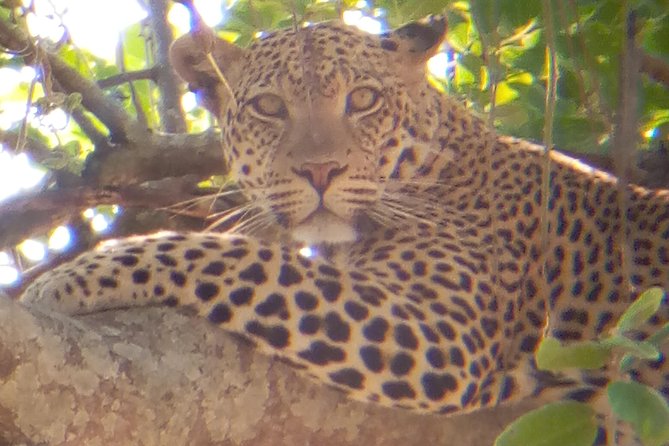
Ruaha National Park is described as Tanzania’s largest national park, and the vibe here is different from Selous. Ruaha is tied to the Great Ruaha River and seasonal tributaries, so wildlife concentrates around water, especially in the dry season.
Your base is Ruaha Hilltop Lodge, which is outside the national park. You’ll drive into the park for full days and return for lunch and rest. That matters because it reduces the “constant logistics” feeling, and you get clearer meal timing and breaks.
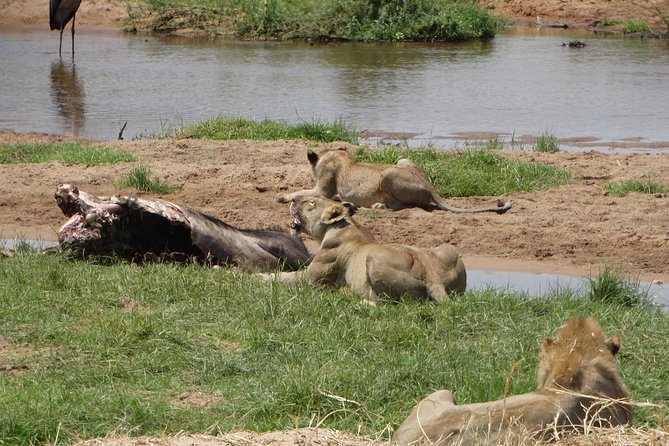
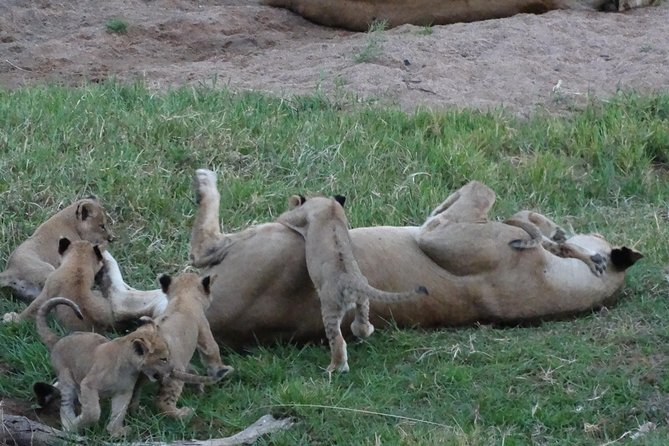
The big wildlife drama in Ruaha is the river-water routine. During dry season, you’re told that impala, waterbuck, and other antelopes take big risks to drink. That’s where the predator story turns on quickly, with 20-plus lions mentioned as lording over parts of the savannah, plus cheetahs that stalk open grassland.
Three Styles of Ruaha Game Drive Days
You get multiple full days of game driving, with one day running through sunset. Another day includes driving back to lodge for hot lunch and then returning to the park. That rhythm can work well for you if you like a strong morning, then a reset, then a strong late-afternoon push.
Ruaha is also known for rocky kopjes and ancient baobab trees. Those features are not just pretty backdrops. They create natural lookout points for predators and shade patterns for herbivores, so the terrain helps explain animal movement.
Udzungwa Mountains National Park: Sanje Falls, Altitude Views, and Monkey Spotting
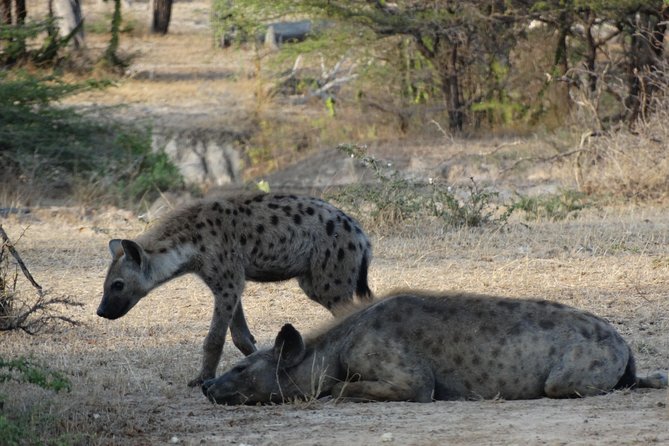
Udzungwa is your “temperature changes” day, because you move into a rain forest mountain environment. Your main activity here is a trekking day that includes a picnic lunch in the bush and time at Sanje Waterfall, listed at 170 meters high.
You can get a chance to swim in plunge pools at the waterfall, so pack or plan for swim-ready items if you want that option. You’ll also walk up to 1,600 meters above sea level, and you’ll get views over the Kilombero valley. Higher altitude hiking usually means cooler air and a stronger sense of breathing effort, so take it at a steady pace.
Who You Might See in Udzungwa
Udzungwa is a great place for monkey watching. You’re told you can see six species of monkeys, including the endemic Sanje Crested Mangabey and the Iringa Red Colobus Monkey.
Even if you don’t spot every species, this type of mountain forest day changes your safari brain. You’re listening more than you’re scanning, and you’ll notice canopy movement, calls, and the quick flashes of movement that pop through trees.
Isimila Stone Age Site: Fossils, Tools, and a Canyon Walk
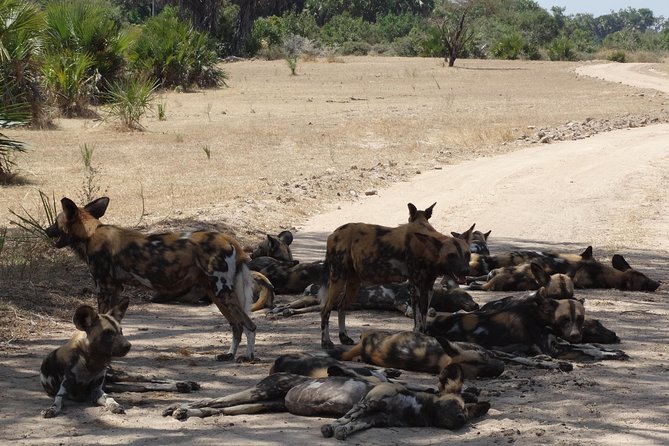
Before Udzungwa, you stop at Isimila Stone Age Site. This is not a typical animal-focused safari stop, and that makes it valuable. The experience is built around learning how people lived and how the site formed.
You start with a small museum, where a guide explains the site formation and shows fossils and tools. Then you walk into a canyon down a steep footpath, where the guide points out rock beds where tools were found and explains how the rock towers formed. The earth is described as having a warm reddish tint, and it’s also a good spot for birds.
This is a great add-on if you like moments where the landscape tells a human story, not just an animal one.
Mikumi National Park and the Mkata Floodplain: Big Open Views and Birdlife
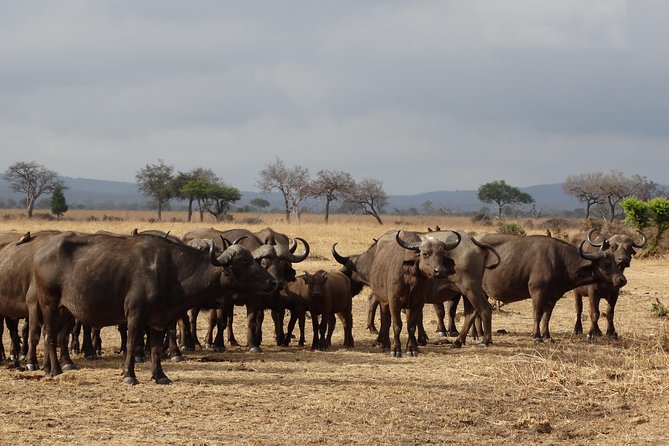
Mikumi is your final major wildlife area, and it offers a different visual feel than Ruaha. You drive in from Udzungwa after dinner, and then you get game viewing time.
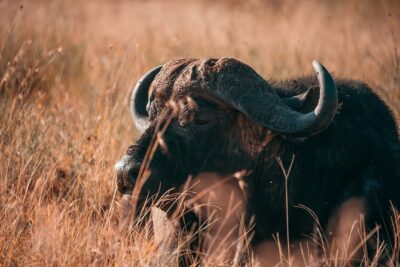
Mikumi’s wildlife list is broad: lions, eland, hartebeest, buffalo, wildebeest, giraffe, zebra, and elephants are all named. Wild dog is mentioned as something that can come and go in this park, so don’t build your entire expectations on one species, but do stay alert.
The habitat story here is the Mkata Floodplain, with open horizons and lots of birds. You’re told that over 300 species of birds have been observed in Mikumi. That’s music to a birder’s ears, and it also helps you spot wildlife even when large animals are quiet.
Where You’ll Stay in Mikumi
Overnights are at Mikumi Bastian Camp or Mikumi Safari Lodge. Both options suit a safari wrap-up, giving you comfort after long drives and letting you reset before your final day.
Maasai Boma Visit and Returning to Dar es Salaam
On your last safari day, you go to a Maasai boma to see how people live and to learn the history of the tribe. This is a cultural stop, and it’s a chance to shift from wildlife mode into human community understanding.
Then you drive back to Dar es Salaam, with a short hot lunch stop in Morogoro town. When you arrive, you’re dropped off at a place of your choice, so you can finish the trip without feeling trapped at one fixed point.
Price and What You’re Actually Buying for $2,898
At $2,898 per person for about 10 days, you’re paying for a lot of moving parts that add up fast on your own: multiple parks, guided driving, multi-day lodging, meals, and park fees.
Here’s what’s included that reduces your uncertainty:
- Accommodation as per the plan, with specific lodge names in the major stops
- National park fees (so you’re not juggling entry tickets)
- Driver/guide
- Hotel pickup and drop-off
- Bottled water
- Meals are covered with 9 breakfasts, 10 lunches, and 9 dinners
What is not included:
- Alcoholic drinks and other drinks not listed
- Anything not explicitly mentioned
To me, the value angle is this: you’re getting both “wildlife wow” and “different type of day” experiences. The boat safari in Selous, the walking safari with an armed ranger near Morogoro, and the waterfall trek in Udzungwa add variety that most straight wildlife packages skip.
Best-Fit Travelers, and Who Should Think Twice
This trip fits best if you want a true southern Tanzania circuit feel, not just one park. You’ll likely enjoy it if you’re happy with a mix of early starts and long driving days, and if you like guided days with structured plans.
It might be less ideal if you have limited tolerance for long overland travel. Some travel segments are described as lengthy, and that can be tiring even when the scenery is good and stops are planned.
If you’re traveling as a couple or as a small group, you may also appreciate that the experience is set up as private or small-group, and it’s listed as private, meaning only your group participates.
Also, if you have dietary needs: the plan notes a vegetarian option if you request it at booking.
Should You Book This 10-Day Safari?
I think this is a strong pick if you want variety, not repetition. The combination of Selous river boat safari, Ruaha’s lion and river-water drama, Udzungwa’s waterfall and monkey potential, and Isimila’s Stone Age learning gives you several different kinds of memories, not just one.
The one thing to take seriously is the travel time. If you’re the type who gets cranky after many hours on the road, consider bringing extra patience, good travel snacks, and a camera mindset that accepts delayed rewards.
Finally, if you can request or coordinate with the guide experience you like, ask about a guide such as Mansoor, who is described as engaging and strong at finding animals and sharing species and cultural facts. A guide who can explain what you’re seeing turns the whole trip into something you remember for years.
FAQ
What does this safari include in terms of parks and sites?
You visit Selous Game Reserve, Ruaha National Park, Udzungwa Mountain National Park, Mikumi National Park, and you also include a visit to the Isimila Stone Age Site.
Where does the trip start and finish?
The tour starts in Dar es Salaam and ends with a return drive to Dar es Salaam, where you are dropped off at a place of your choice.
How long is the experience?
It runs for about 10 days.
What is the meeting time?
Start time is listed as 7:00 am.
Are park fees included?
Yes. National park fees are included, and Isimila Stone Age Site is listed as admission ticket included.
Is pickup and drop-off included?
Yes. Hotel pickup and drop-off are included.
Are meals included?
Yes. The plan includes 9 breakfasts, 10 lunches, and 9 dinners, plus bottled water.
What is not included in the price?
Alcoholic drinks and other drinks are not included, and anything not mentioned in the included section is also not included.
Do they offer vegetarian meals?
Yes. A vegetarian option is available if you advise them at booking.
Can I cancel and get a full refund?
Free cancellation is offered, and you can cancel up to 24 hours in advance for a full refund. If you cancel less than 24 hours before the start time, the amount you paid is not refunded.
More Selous & Nyerere Safaris in Dar es Salaam
- 3 Days Selous (Nyerere National Park)
★ 5.0 · 43 reviews - 3 Days Safari – Selous Game Reserve
★ 5.0 · 21 reviews - 3 Days Nyerere NP [Selous GR] Game, Walking and Boat
★ 5.0 · 19 reviews - 5 Days Safari to Selous & Mikumi
★ 5.0 · 15 reviews
More Ruaha & Udzungwa Safaris in Dar es Salaam
- Mikumi National Park & Udzungwa Water Falls 3 Days Group Tour
★ 4.5 · 19 reviews - 8 Days Safari to Mikumi, Ruaha & Udzungwa Mountains
★ 5.0 · 14 reviews - 5-Day Mikumi & Ruaha Tanzania Wildlife Lodge Safari
★ 5.0 · 10 reviews - 6 Days Safari to Udzungwa Mountain NP, Ruaha NP and Mikumi NP
★ 5.0 · 10 reviews
Just posted around Dar es Salaam
- 2 Day Wildlife Experience and Masai Culture Mikumi Park★ 5.0 · 5 reviews
- Explore Dar es Salaam: Full-Day Private City Tour★ 5.0 · 18 reviews
- 3 Days Explore Selous Game Reserve + Boat safari + bushman walking★ 5.0 · 5 reviews
- Sunrise Beach Walk with Picnic Breakfast Activity★ 5.0 · 3 reviews
- Mikumi Np Mid Range Tour 3 Days★ 5.0 · 3 reviews
- 3 Days Safari to Nyerere National Park (Selous Game Reserve)★ 5.0 · 8 reviews
- Saadani National Park Day Tour★ 5.0 · 3 reviews
- Mikumi national park full day tour from Dar es sallam★ 5.0 · 9 reviews
Selous & Nyerere Safaris, compared.
Day Safari tour to Selous Game Reserve from Zanzibar
Read our review →
1-Day Selous (Nyerere National Park) Fly-In Safari from Zanzibar
Read our review →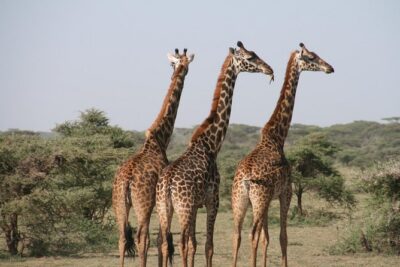
Browse the lists this tour appears in