
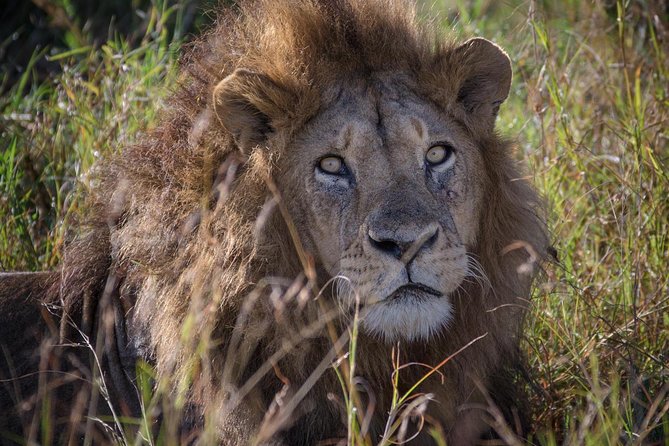
Reviewed · SELOUS & NYERERE SAFARIS
10 Days Mikumi Ruaha Selous Experience
One big reason to choose this Tanzania loop is the mix. You get three major wildlife zones in 10 days, with time in Mikumi, then a deeper Ruaha stay, and finally Selous for a slower, wilder feel. The pace is steady, not rushed, and the private vehicle keeps your day practical.
I especially like how the trip sets you up for frequent sightings. Mikumi is close to Dar es Salaam and known for solid game viewing, while Ruaha’s Great Ruaha River area is famous for the kind of wildlife density you can actually enjoy from the road. I also like the human touch built into the experience, with driver-guides praised for patience and smart spotting, including names like Francis and Calvin Kileo.
One drawback to plan for: Selous can be harder to read than open plains. Dense vegetation can mean you see fewer animals in some moments, and optional activities there (like walking or a boat cruise) are extra cost.
In This Review
- Key highlights to know before you go
- The Southern Tanzania loop: why this 10 days works
- Day 1 in Dar es Salaam: a simple start, no scramble
- Mikumi National Park: open horizons and reliable sightings
- Ruaha National Park: elephant-rich river country in a quieter southern circuit
- Days 4 and 5: morning and afternoon drives that let you read the bush
- The transition back toward Mikumi, then south again to Selous
- Selous Game Reserve: photo safaris, dense cover, and optional walking or boating
- Optional activities (extra cost): walking or boat cruise
- Day 10 back in Dar es Salaam: a clean finish
- Price and value for about $4,538 per person
- Who should book this Tanzania 10-day safari
- The book-or-skip call: should you choose this Mikumi, Ruaha, Selous loop?
- FAQ
- What locations does this 10-day safari include?
- Are park entrances included?
- Does the price include meals and accommodation?
- Do I get airport pickup and drop-off?
- Is this tour private or shared?
- What is not included in the tour price?
- How much notice do I need to cancel for a full refund?
Key highlights to know before you go
- Mikumi to Ruaha to Selous in one trip, with a smooth in-country rhythm
- Ruaha’s river system as the main game magnet, including hippos and crocodiles
- Fewer safari vehicles in Ruaha thanks to the southern region’s lighter visitor flow
- Selous photo safari country, plus optional walking or boating at extra cost
- Private transport and meals handled for most of the trip, so you spend less time figuring things out
The Southern Tanzania loop: why this 10 days works
This is a classic Southern Circuit approach, but with a smart twist. You start near the coast in Dar es Salaam, then work your way into Mikumi National Park, shift to Ruaha National Park for several game-drive mornings and afternoons, and finish in Selous Game Reserve where conditions can feel wilder and less predictable.
What makes it work for your planning is the structure. Most days include a block of safari driving, and meals are arranged at your lodge for the park days in Ruaha. That matters because on safari, the biggest energy drain is not the wildlife, it is the constant logistics. Here, you keep the day focused: drive, look, rest, repeat.
It is also a good value format for what you are buying. The tour price is high on paper, but it is tied to 10 days of accommodation, meals, and private vehicle use, plus park entry admissions being included across the itinerary days listed. You are not juggling separate tickets, transfers, or daily transport planning.
And yes, you get a real guide-vehicle partnership. In safari country, that relationship is how you go from seeing animals in theory to seeing animals in practice. When guides like Edward, Albert, Francis, and Calvin Kileo show up in the operator’s guide chatter, the common theme is knowing where to focus and when to wait.
More Ruaha and Udzungwa safaris:
- Mikumi National Park & Udzungwa Water Falls 3 Days Group Tour
★ 4.5 · 19 reviews - 8 Days Safari to Mikumi, Ruaha & Udzungwa Mountains
★ 5.0 · 14 reviews - 5-Day Mikumi & Ruaha Tanzania Wildlife Lodge Safari
★ 5.0 · 10 reviews
Day 1 in Dar es Salaam: a simple start, no scramble
On arrival, you meet a representative and get transferred into the city for an overnight. This is a low-stress buffer day. You are not expected to start game viewing immediately, so you can recover from travel and get your bearings.
You also get an included admission ticket for the arrival day. You should treat this first evening as setup time: plan your carry-on essentials, confirm what camera gear you want ready for the parks, and get enough sleep for an early safari day.
If you land in Dar during the same day you travel, this is the kind of itinerary that helps. You do not want to waste safari energy on day-1 fatigue.
Mikumi National Park: open horizons and reliable sightings
The next morning starts the safari swing. After breakfast, you drive from Dar es Salaam to Mikumi National Park with a packed lunch included. Mikumi is Tanzania’s fourth-largest national park and one of the most accessible from Dar. That accessibility is not just convenience, it also supports better game-drive time.
Mikumi’s Mkata Floodplain is the big draw, and it is often compared to the more famous Serengeti plains for the feeling of space. If you like seeing animals against wide horizons, this helps. Open country also makes it easier for your eyes to catch movement early, especially when you are scanning for elephants, antelope, and predators.
In plain terms: Mikumi is a great place to get your safari rhythm. You are likely to see wildlife without needing perfect luck. And when you do see a target species, you can enjoy the moment rather than spending the whole day wondering if you are in the right spot.
Late afternoon, you head back to the lodge for the overnight. That timing matters. Safari days are long, and a return before it gets too dark means you can settle in without rushing.
Ruaha National Park: elephant-rich river country in a quieter southern circuit
Ruaha is the “big nature” shift. On your way in, you get an afternoon game drive, and it is designed to introduce you to Ruaha’s key engine: the Great Ruaha River. This river shapes the habitat and pulls animals in, which is why crocodiles and hippos show up where the water is.
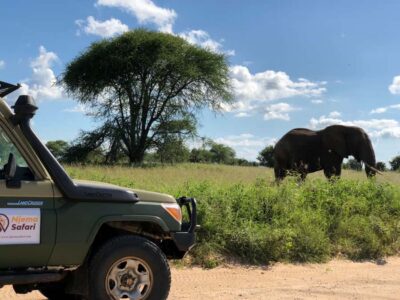
Ruaha is also described as a place with a high concentration of elephants compared to other East Africa national parks. Even if you have seen elephants elsewhere, Ruaha is worth it because of the mix of species and the Miombo woodland feel. You also have a strong chance of spotting larger antelopes like kudu, sable, and roan, plus cats such as lions and leopards in the broader ecosystem.
There is another layer here that is practical: Ruaha is in southern Tanzania, where you see fewer safari vehicles. That means your day can feel calmer. The focus becomes spotting and photographing, not fighting for a view around crowds.
More Nyerere and Selous safaris:
- 3 Days Selous (Nyerere National Park)
★ 5.0 · 43 reviews - 3 Days Safari – Selous Game Reserve
★ 5.0 · 21 reviews - 3 Days Nyerere NP [Selous GR] Game, Walking and Boat
★ 5.0 · 19 reviews - 5 Days Safari to Selous & Mikumi
★ 5.0 · 15 reviews
Days 4 and 5: morning and afternoon drives that let you read the bush
You get multiple days dedicated to Ruaha with morning and afternoon game drives, and your meals are at the lodge. This is one of the best setups you can ask for because it gives you two chances to catch animal activity. Early light can help predators and elephants, and late-day light often improves visibility for antelope and birds.
Ruaha’s size is also part of the value. With a large park area and lighter visitor flow in the south, you are not constantly stuck following other vehicles. That translates into less waiting and more freedom to reposition when the guide finds activity.
The itinerary highlights kudus and grant gazelles, with the note that kudus are found seldom further north and grant gazelles reach their southern breeding area. That gives you a clear reason to come here even if you have done northern parks before. You are chasing different ecological edges.
If you want one “expectation check,” make it this: Ruaha rewards patience. If your guide is someone like Francis or Albert, the skill is often knowing when to slow down and let the animals do their thing.
The transition back toward Mikumi, then south again to Selous
Day 6 is a travel day, but it is not treated like dead time. After breakfast, you drive for a game drive en route back to Mikumi. The reason is positioning. This helps you get to Selous Game Reserve the following day because Mikumi borders Selous and they share ecosystem connections.
Day 7 takes you into Selous through the Matemwe gate and involves leaving the tar road after Morogoro. You drive through areas along the Uluguru Mountains and remote villages. This is the kind of road shift that changes the whole feel of the day. You see more of the country beyond the park signs, and it can make the safari feel less like a closed bubble.
Depending on arrival time, you may get a short game drive, or you can relax at the lodge and prepare for two full reserve days. Either way, the plan supports your energy for what comes next.
Selous Game Reserve: photo safaris, dense cover, and optional walking or boating
Selous is described as the biggest wildlife conservation area in Africa, and it is also paired with bordering parks (Mikumi and Udzungwa) to create a huge region. In practice, that means you are driving in a vast space where animal encounters can feel less predictable.
Your Selous days focus on the northern part of the reserve, described as open for photo safaris. You have plenty of time for wildlife encounters in an unspoiled environment. The key challenge is stated plainly: dense vegetation can make it harder to see animals and birds consistently.
So how do you make this work as a traveler? You manage expectations and support your guide’s search. If you like detailed observation, Selous rewards it. If you need constant guaranteed sightings every hour, you may feel more “hunt and wait” moments here.
Selous is also a bird-friendly place in the itinerary description, with up to 400 different bird species. Birding is often one of the best ways to stay engaged when large mammals are quiet. When big animals are tucked away, you can still enjoy movement in the trees and calls in the air.
Optional activities (extra cost): walking or boat cruise
The itinerary specifically notes that optional activities like walking in the wilderness or a boat cruise can be arranged at extra cost. This is one place where you can tailor your experience. If you enjoy being on foot and learning about habitat up close, walking can add depth. If you prefer a different perspective and calmer movement, a boat cruise can complement the vehicle days.
If you choose either option, build it into your budget, since it is not included.
Day 10 back in Dar es Salaam: a clean finish
After breakfast on the final day, you drive toward the Indian Ocean through Mtemere Gate and arrive in Dar es Salaam around noon. Then it is transfer to the airport or your hotel, on your own arrangement.
That timing is helpful if your next plans require midday departures or you want a little time in the city before flying onward. It is also a good way to end without dragging your safari into a late-night drive.
Price and value for about $4,538 per person
At $4,538.47 per person, this is not a cheap safari. But it is also not just you paying for a few game drives. The included package covers a lot of the cost drivers that usually add up fast on African safaris.
Here is what you get value-wise, based on what is included:
- All accommodation except the last day
- Meals as listed (breakfast, lunch, dinner across the itinerary)
- Airport pickup and drop-off
- Private vehicle transport through the safari days
- Bottled water
- A driver/guide
- Park admissions listed as included for the safari days
And what is not included matters too:
- Alcoholic drinks are available to purchase
- There is mention of a flight from Kilimanjaro to Serengeti North as not included, which becomes relevant if you are adding on other parks later
The biggest “value” argument for your decision is the mix of park time. You get:
- Mikumi for a first wildlife introduction and a good start
- Ruaha for multiple dedicated days with morning and afternoon drives
- Selous for two full reserve days focused on photo safari style encounters
If you are comparing this to DIY safari planning, the private vehicle and included meals are what save you mental energy. You pay money, yes, but you also buy less decision stress. That is worth something, especially when you want to keep the trip feeling like safari, not scheduling.
Who should book this Tanzania 10-day safari
This tour fits best if you want:
- A southern Tanzania focus with Ruaha and Selous as the main highlights
- Multiple game-drive sessions, not just a single afternoon in each park
- A private experience where your driver-guide can respond to sightings in real time
- A moderate pace, with days that are planned but not packed with constant transfers
It may not fit you as well if you need everything to be guaranteed. Selous in particular can have dense vegetation, and the itinerary itself notes that animals and birds are not always easy to see.
Also, your physical plan matters. The tour calls for moderate physical fitness, which usually means you should be comfortable with long drives and getting in and out of safari vehicle setups. Not a mountaineering test, but you should be able to handle a day outdoors.
The book-or-skip call: should you choose this Mikumi, Ruaha, Selous loop?
I would book it if you want a Southern Circuit safari that gives Ruaha real time and then finishes in Selous for that big, conservation-focused wilderness feel. The itinerary design, with dedicated Ruaha days and two reserve days in Selous, is the kind of structure that usually produces better overall satisfaction than a rushed “see it all” route.
I would hesitate if your travel style demands constant high-visibility wildlife from the first hour to the last. Selous can be tougher visually, and Ruaha rewards patience. If you are the type who likes to stop, watch, and let the bush work, you will probably love this.
One last tip for getting the best trip from it: when your guide asks you to wait, take it seriously. In safari country, waiting is not passive. It is often the difference between a quick glance and a moment you will remember for years.
FAQ
What locations does this 10-day safari include?
It includes Mikumi National Park, Ruaha National Park, and Selous Game Reserve, with transfers in Dar es Salaam at the start and end of the trip.
Are park entrances included?
The itinerary lists admission tickets included for the safari days at the parks.
Does the price include meals and accommodation?
Yes. The tour includes all accommodation except on the last day, and meals are included as listed in the itinerary.
Do I get airport pickup and drop-off?
Yes. Airport pickup and drop-off are included.
Is this tour private or shared?
This is a private tour/activity, meaning only your group participates.
What is not included in the tour price?
Alcoholic drinks are not included. The information also notes that a flight from Kilimanjaro to Serengeti North is not included.
How much notice do I need to cancel for a full refund?
You can cancel up to 6 days in advance for a full refund, with the cutoff based on local experience time.
Just posted around Dar es Salaam
- 2 Day Wildlife Experience and Masai Culture Mikumi Park★ 5.0 · 5 reviews
- Explore Dar es Salaam: Full-Day Private City Tour★ 5.0 · 18 reviews
- 3 Days Explore Selous Game Reserve + Boat safari + bushman walking★ 5.0 · 5 reviews
- Sunrise Beach Walk with Picnic Breakfast Activity★ 5.0 · 3 reviews
- 3 Days Safari to Nyerere National Park (Selous Game Reserve)★ 5.0 · 8 reviews
- Saadani National Park Day Tour★ 5.0 · 3 reviews
- Mikumi Np Mid Range Tour 3 Days★ 5.0 · 3 reviews
- Mikumi national park full day tour from Dar es sallam★ 5.0 · 9 reviews
Selous & Nyerere Safaris, compared.
Day Safari tour to Selous Game Reserve from Zanzibar
Read our review →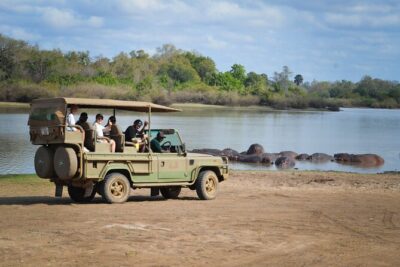
1-Day Selous (Nyerere National Park) Fly-In Safari from Zanzibar
Read our review →
Browse the lists this tour appears in